
 E-Paper



National conference resolution demands accountability of waqf board by appointment of ombudsman
The resolution stresses on the submission of annual audit reports by the boards to the Central Waqf Council


The two-day national waqf conference, held in Pune on November 26 and 27, concluded on Sunday, wherein the board members came up with a draft resolution seeking formation of the post of waqf ombudsman at the centre and state to keep a close watch on the waqf boards across India
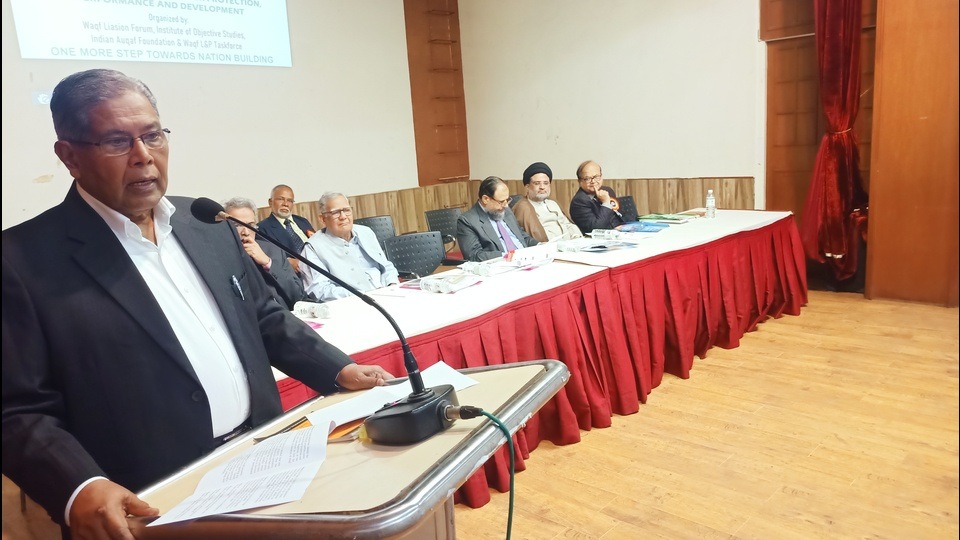
The conference held at Azam Campus was attended by lawyers, academicians, intellectual , former bureaucrats and lawmakers. The meeting stated that state governments are bound by law to submit annual reports about waqf in their jurisdiction.
The resolution stresses on the submission of annual audit reports by the boards to the Central Waqf Council. If a waqf board does not deliver, it must be dissolved
The other resolutions included recruitment of staff, outsourcing , prioritisation and formation of local committees as provided under law. At the same time a wide-bodied research cell comprising of experts from various fields should be formed at national level with similar bodies at state level. The said bodies should be in constant interaction with waqf boards and publish the annual report of their activities.
Conference convenor and former chief commissioner of income tax Akramul Jabbar Khan said, “The draft resolutions will be sent to central and state governments.It is high time that the state waqf boards are made accountable to the government and measures undertaken on the lines of our resolution will lead to socio-economic empowerment of not only the Muslim community, but other citizens. It will lead to an increase in revenue for the boards including the government and the earnings can be channelised for construction of educational and social infrastructure as part of national development.”


