
 E-Paper



Pune rail division strengthens safety with ‘Kavach’ push
Pune Division of Central Railway advances 'Kavach', enhancing train safety with trials over 295 km and installation at key stations.

 Prefer HTon Google


Pune: The Pune Division of Central Railway (CR) has accelerated the implementation of ‘Kavach’, India’s indigenous automatic train protection (ATP) system, marking significant progress in railway safety enhancement.
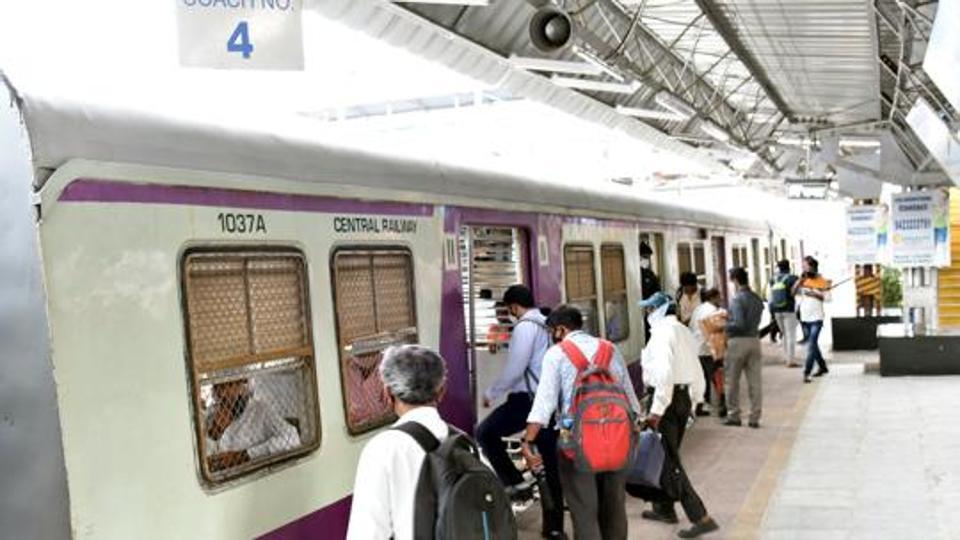
As part of its safety upgrade drive, the division conducted non-signalling Kavach trials across more than 295 km of its 700 km route network last week, covering the Pune–Kolhapur and Daund–Manmad sections.
Under Kavach Phase II, installation has been completed at Padhegaon, Belapur and Rahuri stations, while work is ongoing in the Daund–Yeola section. Telecom infrastructure is also being strengthened, with 53 of the planned 123 Kavach towers already erected to ensure seamless communication support.
In a major boost to onboard safety systems, the division completed installation of Loco Kavach at PADX (Pune Diesel & Electric Loco Shed) in a record 18 days, from November 12 to November 30, 2025. Four WAP-7 locomotives were equipped with the system following material inspection, installation and testing, and have since been cleared for traffic service.
Hemantkumar Behera, spokesperson of Pune Railway Division, said, “Kavach significantly enhances operational safety by providing an additional safeguard against Signal Passing at Danger (SPAD) incidents and enabling automatic braking to prevent collisions.”
He added that the system also ensures overspeed protection, displays signal aspects and movement authority inside the locomotive cab, particularly useful during fog and high-speed operations, and activates automatic horn warnings at level crossings.
“Harnessing indigenous technology like Kavach is a major step toward achieving zero-accident goals. The steady progress in infrastructure, station installations and locomotive fitment reflects Pune Division’s firm commitment to enhancing railway safety and operational reliability,” Behera added.


