
 E-Paper



Put in place SOPs for speedy availability of ambulances at rural black spots: District Collector
During the meeting, the relevant agencies briefed about the various measures taken at places where accidents occur frequently (black spots) in Pune, Pimpri-Chinchwad and the rural areas of Pune district


As a large number of accidents occur in the rural areas of Pune district such as Yawat (Daund), Shikrapur, and Ranjangaon (Shirur), standard operating procedures (SOPs) must be put in place for the speedy availability of ambulances with state-of-the-art life-saving equipment and necessary measures, Pune district collector Rajesh Deshmukh declared on Monday. He was speaking at the District Road Safety Committee meeting held at the collectorate office. Also present on the occasion were the deputy commissioner of police of the Pune city traffic branch, Vijaykumar Magar; project director of the National Highways Authority of India (NHAI), Sanjay Kadam; deputy regional transport officer, Sanjeev Bhor; and superintending engineer of the Pune Municipal Corporation (PMC) roads’ department, Sahebrao Dandge among others.
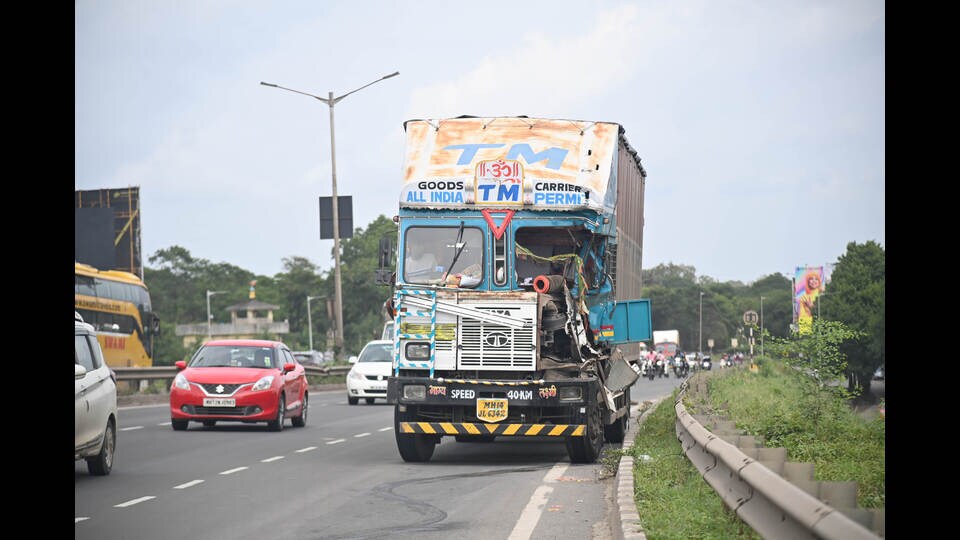
During the meeting, the relevant agencies briefed about the various measures taken at places where accidents occur frequently (black spots) in Pune, Pimpri-Chinchwad and the rural areas of Pune district. It was noted that measures such as the installation of rumblers and noticeboards, road markings, road reflectors, blinkers etc. are being taken at these black spots. There are 63 black spots in Pune district as notified by the Ministry of Road Transport, Government of India, and as identified by local authorities; information on which is analysed to find out how the post-accident response system is functioning.
Accordingly, arrangements should be made for ambulances to be made available quickly so that patients can get treatment in the critical ‘golden hour’. “The information on all government and private hospitals where trauma care services are available in the area should be made available to all the concerned departments,” Deshmukh said.
The police-, transport- and public works- departments have conducted an analytical study of accidents through expert non-governmental organisations (NGOs) in the field. From this, it has been found that a large number of bike riders and pedestrians have died in accidents in Pune city. Deshmukh instructed that this information be conveyed to all government offices, and that they make it mandatory for their officers and employees who ride two-wheelers to wear helmets.
“There are a large number of accidents in Pune city as well as on the Pune-Solapur and Pune-Nagar roads. Therefore, along with these roads, the Pune-Satara and Pune-Nashik highways should be regularly inspected and remedial measures should be taken at places where accidents occur frequently. Short films raising awareness about accident-prone spots and accidents should be displayed on LED screens and public awareness should be created through radio, social media etc. The help of NGOs should be taken for suggesting measures to prevent accidents and measures for road safety etc.,” Deshmukh said. On this occasion, presentations were made on behalf of the police-, public works- and transport departments as well as NHAI, Bloomberg Philanthropies and UNICEF Rise Infinity.


