
 E-Paper



Staff crunch cripples 64 FRUs, raising concerns over maternal and child health
FRUs are identified as tertiary-level facilities meant to provide round-the-clock emergency and essential services under mother and child health programme

 Prefer HTon Google


Pune: As many as 64 of the 236 First Referral Units (FRUs) across Maharashtra are currently non-functional due to staff shortage of specialised doctors and infrastructure-related issues, triggering serious concerns about access to emergency maternal and child healthcare, particularly in rural and remote areas, said health officials on Sunday.
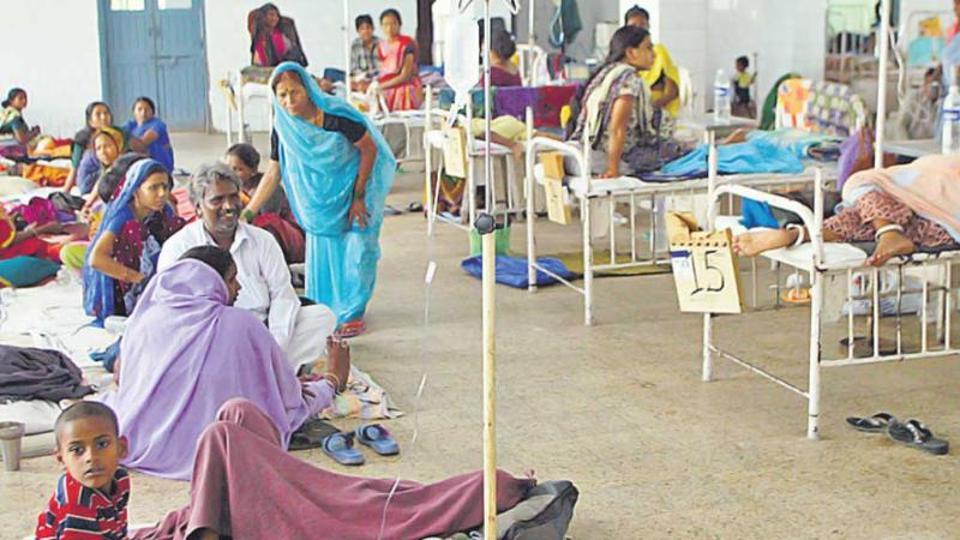
The FRUs are identified as tertiary-level health facilities meant to provide round-the-clock emergency and essential services under the mother and child health programme. These units play a crucial role in managing high-risk deliveries, conducting Caesarean sections and providing specialised newborn care. Nevertheless, nearly 27% of the FRU remain non-operational.

As per norms, every FRU must ensure round-the-clock availability of key specialists, including obstetricians and gynaecologists, anaesthetists and paediatricians. However, officials said the non-availability of specialist doctors remains the biggest challenge. In some cases, FRUs are also non-operational due to ongoing construction or non-functional operation theatres, said the officials.
“The FRUs are critical for saving lives during obstetric emergencies. When these centres are not functional, pregnant women are forced to travel long distances to district hospitals, leading to delays that can be fatal,” said a senior official from the health department on request of anonymity.
As per the data provided by the public health department, the highest 24 non-operational FRUs are in Nashik circle, followed by 8 in Pune, 7 in Kolhapur and 6 each in Thane and Chh.Sambhaji Nagar. Besides, 5 non-operational FRUs are in Latur and 4 each in Akola and Nagpur circles.
Health activist, Sharad Shetty warned that gaps in FRU services directly affect maternal and infant mortality. “Complications during childbirth can escalate rapidly. Without timely access to specialists and emergency care, preventable deaths may occur. The delay in getting treatment can further cause complications to both mother and child,” he said.
Specialists should be posted at FRUs on a priority basis, while all FRUs must be fully operationalised, including functional blood storage units or blood banks through linkages with private facilities, he said. The use of standardised clinical protocols across all delivery points should be strictly enforced. In addition, creating a district- or block-level pool of specialists will help ensure uninterrupted availability of expert care at all times, he added.
Dr Sandeep Sangale, joint director, Family Welfare Bureau, Maharashtra, said that steps are being planned to revive the units. “When one specialised doctor leaves the unit, the facility is immediately declared as non-functional. The powers have been granted at local level to appoint the doctors under the NRHM on a contract basis. We are prioritising the posting of specialists, strengthening infrastructure, and closely monitoring delivery points to ensure these units become fully operational at the earliest,” he said.Strengthening of FRUs is essential to reducing maternal and child mortality and ensuring safe deliveries closer to home for women in remote regions.”


