
 E-Paper



Students taking private tuitions increased by 6.6% in Maharashtra: ASER
According to the ASER report, it is seen that the proportion of children taking tuitions has increased from 2018 to 2021, regardless of grade, school type, or sex


Students enrolled who undertook learning activities through online education at home are fewer in government schools (42.7 per cent), as compared to private schools (51.2 per cent) in Maharashtra, as per the Annual Status of Education Report (ASER) 2021 released on Wednesday.
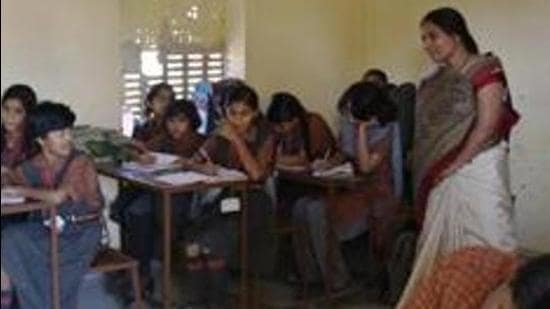
This has in turn also affected students’ learning ability as now more students in the state depend on private tuitions as compared to 2018. The report further revealed that students taking private tuitions have increased by 6.6 per cent in Maharashtra.
The report was published by NGO Pratham and has evaluated all Indian states based on different parameters.
According to the report, it is seen that the proportion of children taking tuitions has increased from 2018 to 2021, regardless of grade, school type, or sex.
“Currently, almost 40% of children in India and 20.7% of children in Maharashtra take paid private tuition classes. The largest increases in the proportion of children taking tuitions are seen among children from the most disadvantaged households. Taking parental education as a proxy for economic status, between 2018 and 2021, the proportion of children with parents in the ‘low’ education category who are taking tuitions have shown an increase,” states the report.
The report also highlights that there are some differences in the proportion of children taking tuitions bsed on the status of schools reopening, with tuition classes more common among children whose schools were still closed at the time of the survey.
The report revealed that in Maharashtra there were 14.2 per cent students receiving private tuitions in 2018 and that has increased to 20.7 per cent in 2021.
“This difference in tuition-taking is larger in higher classes than in lower ones,” said the report.
Dinkar Temkar, state education director (primary) said that as competition increases so does the private tuitions.
“Earlier, students would get admission based on class 12 results but now for courses like engineering and medicine, there are competitive examinations. And so the need for private tuitions has increased. Moreover, many government schools could not use the interactive methods of teaching while imparting online education as there were limitations. Many government schools were catering to students from rural parts which had many different challenges and so the percentage of interactive activities have been less in government schools in the last two years,” said Temkar.
Harishchandra Gaikwad, president, Pune district principals’ association said that there is a trend today to take private tuitions.
“Many parents enrol their children for private tuitions because there is an ongoing trend. Teachers in government schools are experienced and take pride in teaching students,” said Gaikwad.
There has been a 9.2% rise in student enrollment in government schools in the 6-14 year age group in Maharashtra in three years since 2018, as per the report.
Talking about the enrollment of more students in government schools, Mukund Kirdat, city- based education activist said that the number may be temporary.
“There is an increase but it is not much. In Pune itself, there are hardly 1,500 students who are now enrolled in government schools. Due to the pandemic with financial difficulties, this trend can be seen,” said Kirdat.


