
 E-Paper



Sutradhara’s Tales: City’s watch and ward — famous and infamous kotwals of Pune
Who was Ghashiram and what does it meant to be Kotwal of Pune? Let us trace the rise and fall of Kotwali system in Pune that operated during the 18th century

 Prefer HTon Google


Morning papers this week announced revival of legendary yet controversial Marathi play ”Ghashiram Kotwal”, a political satire written by accomplished playwright, Vijay Tendulkar. Written in 70s decade, it commented on rise of political party and abuse of power, but was based on historical events during the Peshwa period and had taken cinematic liberty about historical events. The title itself is based on “Ghashiram” who served as Kotwal of Pune under supervision of prominent minister, Nana Phadnavis, who in turn served four Peshwas, including Madhavrao Peshwa I.
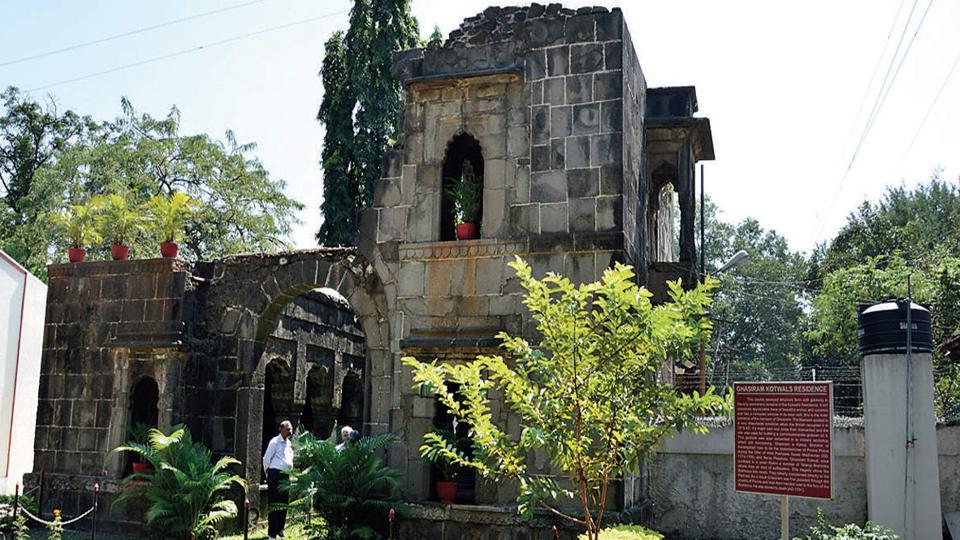
Who was Ghashiram and what does it meant to be Kotwal of Pune? Let us trace the rise and fall of Kotwali system in Pune that operated during the 18th century Pune.
Kotwali system existed since old times in India and we find reference of “Koshtapal” through various sources that were responsible for city’s law and order during Rashtrakuta period. Later in medieval times, during Tughlaq and Mughal rule, Kotwali system was prevalent in major cities, including Agra.
When Pune functioned as a small village, Zambre (Patils) are seen responsible for maintaining law and order and Kulkarni the clerks and village balutedars such as Mahars would help them in executing the functions of watch and ward. Kasba peth till few years back had the platform which once hosted the “Zambre Chawadi (office)” – from where the system operated.
As Pune under Nanasaheb Peshwa grew, peths flourished, “Shravan Ramna” became a yearly affair, people practising various trades flocked Pune. These surges of new groups came to Pune in search of employment, opportunity, patronage and new home from across the country. Just as Katraj aquaduct provide water supply, redevelopment and establishment peths made way to development of housing and trade, a necessity to develop a system of watch and ward emerged, too. This became more evident after the attack and ransacking of Pune by Nizam in 1762.
The earliest sanad document from year 1764 informs us about appointment of Balaji Narayan Ketkar as a Kotwal or “Chief Commissioner of Police” of Pune city. Before that, Kotwal had limited functions and would only supervise the customs, toll, octroi related activities. In 1764, Kotwali department was a full-fledged organisation who would look after law and order in the city, punishment of related offence and assisted in collection of revenue.
This system was independent of the military system, operated within the city boundaries and functioned as a modern police department. The main operating station “Chavadi” was at Budhwar peth next to present day Dagdhusheth Datta temple and flower market, and it was assisted by other branches of chavdis in five different peth areas. Ghashiram Kotwal, one of the longest serving Kotwals of Pune, established two chavadis at Narayan peth and Shaniwar peth. He was also responsible for establishment of Navapura peth where next Kotawal, Anandrao Kashi established a chavadi. The department had bureaucratic officers such as Sar-amin, Amin, Diwan, Mujumdar, Fadnis, Daptardar and Potnis who would receive annual income. Under them, various clerks, (shibandi) inspectors, constables, office staff and (Najarbaaj or khabri) detectives would operate on monthly salaries to execute and process the orders.
Kotwali department served functions of city corporation, city survey office, public service department and information broadcasting along with its primary function of policing. During Peshwa times, the city would be under curfew from 11 pm to 4 am and any person breaking the rule would be arrested. For this, the Kotwali soldiers would undertake night patrol.
They were responsible for conducting police enquiry procedures for various crimes. Prostitution, gambling, illegal consumption of liquor and non-vegetarian food in public was punished. The weights and standards used in trade and measurements were approved and sanctioned (Bat-chhapai) by the department. They were responsible for revenue functions of valuation of properties, taxes, standardisation of market prices (Nirakh) and enforcing them. The inheritance of dead person without legal heir was deposited in state treasury through their agency.
Corporation functions of cremation of unclaimed dead bodies, sanitation and construction of waste water gutters was part of the portfolio. Through “Davandi” or beating of drums department would inform public of the important government announcements. Department was responsible for collecting taxes on remarriage of widows, adoption, goat slaughter, trade, and oils and it contributed sizeably in department’s income. Kotwali would maintain records of bonded labour for certain caste and kept records of the clans and communities that entered and departed the city.
Through entire history of Kotwali system in 18th century in Pune, we find exhaustive records of 23 different appointments of Kotwali. Of this, Ghashiram Kotwal and Anandrao Kashi are the most dominant ones.
Ghashiram Savladas was Kanauji Gaud Brahmin from Aurangabad who came to Pune to explore better prospects. Within short duration, he acquired prominent position in Peshwa courts through his handsome face, sharp intellect and great oratory. He was appointed incharge of Kotwal office twice, once, for a year in 1777 and later for a decade long tenure during 1781 to 1791. In initial years he showed great promise by establishing firm hold over city’s law and order, set up new chavdis and increased the Kotwali staff per chavadi. He was responsible for major civil works, had setup peth Navapura and commissioned building of lake at Hadapsar to address water woes. He had built a large mansion for himself near Pulgate.
He gained favour with Nana Phadnavis who was minister incharge of Kotwal system by efficiently handling Sawai Madhavrao’s wedding organisation in Pune. For that and on many other occasions he was showered with large sum of gifts from treasury by Nana Phadnavis. He won Nana’s confidence particularly, through his efficient network of spies who reported on Raghoba Dada’s activities against the state.
However, in absence of restraint, Ghashiram started abusing the power. He started harassing the masses through his officers’ and started slipping in his accounting responsibilities. Nana Phadnavis, on complaints of his subordinates such as Pandurang Bedekar, warned him on number of occasions but it was all in vain.
His insolence and arrogance however brought his downfall! During “Shravan Ramna” of 1791, few Telangi Brahmins camping near Ghashiram Kotwal’s mansion raided his garden to eat maize. The gardener thrashed the Brahmins and complained to Ghashiram Kotwal who arrested them and put them in a dungeon with no supply of air. This resulted in horrific death of 21 Brahmins.
When Peshwa asked Nana Phadnavis about the whereabouts of missing Brahmins, Ghashiram Kotwal lied through the teeth and said the Brahmins indulged in theft and died of consumption of opium drugs. He also refused to hand over the dead bodies. A full-scale enquiry was commissioned by Nana, but crowd disrupted the proceedings. Ghashiram was arrested by Nana. However, thousands of enraged Telangi Brahmins gathered, confiscated Ghashiram from the custody, paraded him culminating into his violent public prosecution by the mob.
Within few years of this episode, nature of Kotwali system was altered drastically by Bajirao II and it ceased to exist around end of century. Originally responsible for Pune’s law & order of Pune, the abuse of power and corruption brought end to the crucial public institution! An important history lesson for all times!
Saili Palande-Datar is an indologist, environmentalist, history researcher and farmer. She can be reached @ sailikdatar@gmail.com


