


 Live Score
 Cricket Teams
 Cricket Players
Lalit Modi stands defiant on IPL legacy: 'Without me it wouldn't work'; regrets giving BCCI too much power
Lalit Modi remained associated with the IPL until the end of its third season

 Prefer HTon Google


The Indian Premier League has evolved into much more than just a cricket tournament. Besides being one of the richest sporting leagues in the world, it has become the benchmark for franchise-based competitions globally, inspiring several leagues across countries. It has also influenced how cricket boards identify and evaluate players for major tournaments.
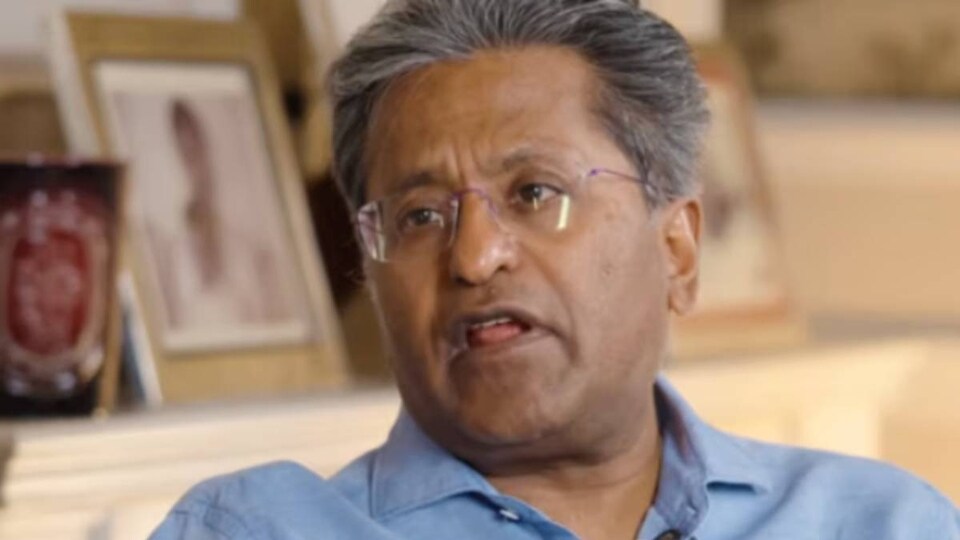
Lalit Modi was the architect of the league. Former India cricketer Saba Karim recently revealed that Modi had first pitched the concept to the BCCI in the late 1990s, even before T20 cricket existed. The IPL was eventually launched in 2008 and concluded its 19th edition on May 31, with its valuation now soaring to unprecedented levels.
Speaking to Wisden for The Scoop Extended, Modi mounted a fierce defence of his IPL legacy. He claimed the tournament would never have succeeded without him and insisted that, despite years of criticism, he does not view any of his decisions as mistakes.
He said, “I was cut to size because of many other issues. Everybody was jealous. It wouldn’t have worked if I had not been who I was. The IPL wouldn’t have worked if not for me. Why are you talking to me 17 years later, despite me not being part of the game since then?
"It (the idea of the IPL) just didn’t come out of thin air. It went through a lot of scientific research and a lot of learnings of mine. Everybody around the world has tried to create what I created and failed. When people say I made a mistake, I didn’t make a mistake. If I had to ever do this again, it wouldn’t be any different from what I did last time.”
Modi remained associated with the IPL until the end of its third season. In 2010, he was removed as IPL commissioner and BCCI vice-president before being handed a life ban from cricket administration over corruption-related charges. The allegations included irregularities in the bidding process for two new franchises in 2010, as well as the unauthorised sale of broadcasting and internet rights.
Modi also reflected on what he considers his biggest regret from his time running the league. He admitted that he left India without putting in place a governance structure that would have given the IPL and its franchises a greater role in the tournament's administration, adding that he handed too much power to the BCCI despite having the leverage to shape the league differently.
Modi said, “I regretted the fact that I left India without doing certain things that had to be done. The founder of the IPL should always get a seat on the board of the league. I gave too much power to the BCCI.
"I could have dictated at the time what I wanted because everybody thought it was going to fail. They didn’t really care about it. I had already written the constitution of a separate company being formed. Obviously, the BCCI would continue to get the money, but the governance of the league should have been in partnership with the IPL owners along with the BCCI.”
Since 2011, Chirayu Amin, Rajiv Shukla, Ranjib Biswal, Brijesh Patel and Arun Singh Dhumal have served as IPL chairman. Dhumal has held the position since assuming office in 2022.


