


 Live Score
 Cricket Teams
 Cricket Players
MCC Head of Cricket tells BCCI umpires, not players, should be punished for poor over-rates after ‘slow’ MI vs RCB match
The MCC head was present at the Wankhede Stadium, but was left frustrated by a long and stop-start game.

 Prefer HTon Google


The Indian Premier League has faced criticism over the pace of play in the fresh 2026 season, with the duration of matches being a problem point as commentators, players, and fans all face immense frustration because of how late into the night games are lasting.
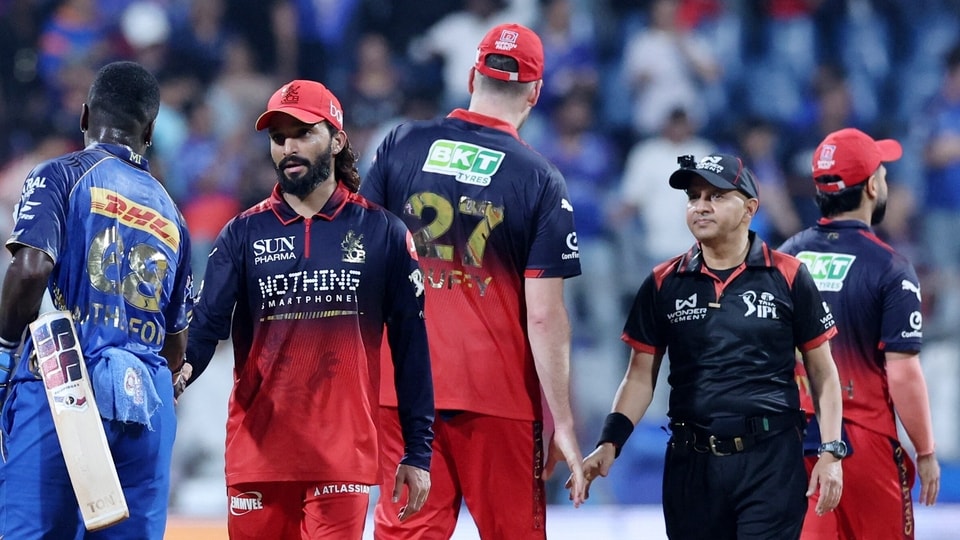
One figure who was in attendance for the turgid 4h22m affair between RCB and MI at the Wankhede Stadium was current MCC Head of Cricket, Fraser Stewart. Speaking at an event in Mumbai, Stewart stated out loud how delay of play was a big concern, and floated a radical idea to try and bring things back in line.
Speaking at the Bombay Yacht Club in conversation with the Mumbai Cricket Association, Stewart raised how the combination of timeouts, slow fielding changes, a lack of urgency, and crucially a ‘reluctance to enforce’ the over-rate on behalf of the umpires was the root cause for matches moving at a glacial pace.
“The umpires were letting it be slow. I think it’s an umpire’s job to try to keep the game moving, but when every break is an advertising potential for the billions that are watching, you can see why,” said Stewart.
“The laws allow warnings and five-run penalties, but umpires are reluctant to enforce them. One suggestion is to fine umpires if over-rates are poor — that might ensure games move along,” recommended Stewart, who helms the Marylebone Cricket Club, keepers of the Law of Cricket.
Frustrating stoppages made match less watchable: Stewart
Fining umpires is certainly a big call if it does come through – team captains currently hold the brunt of the fines and penalties if teams struggle to get through overs in time, as well as in-game punishment of fewer boundary fielders and potentially penalty runs. However, urging the umpires to be stricter with timekeeping could prove to be a big boost for cricket.
“It’s a real issue. We were there for the game. What struck us was the pace — how slow it was, with so many stoppages,” Stewart had said earlier regarding the RCB-MI match, which saw multiple injury stoppages and pauses in play as the game meandered in the second half.
“In The Hundred, a wicket falls and a 60-second clock starts. The next batter must be ready or the team concedes five penalty runs,” pointed out Stewart as a different solution, before also recognising that conditions are much different in India: “I know it’s hotter here and people have to have drinks and stuff, but there were just so many people running on and off the pitch all the time. There was no urgency.”


