E-Paper



Elephant attacks: Corbett area to be no-stop zone for vehicles
The Ramnagar area around the Corbett park is witnessing increasing man-elephant conflict for some time. The rampaging elephants raid the crops on a regular basis. Many villagers have even complained about the problem to the forest department.

 Prefer HTon Google


Keeping in view the frequent incidents of ‘loner’ male elephants attacking vehicles for food items on a 25-km road stretch in Ramnagar area near the Corbett Tiger Reserve, the forest department has now decided not to allow the vehicles, especially trucks laden with food items, stop on the road stretch.
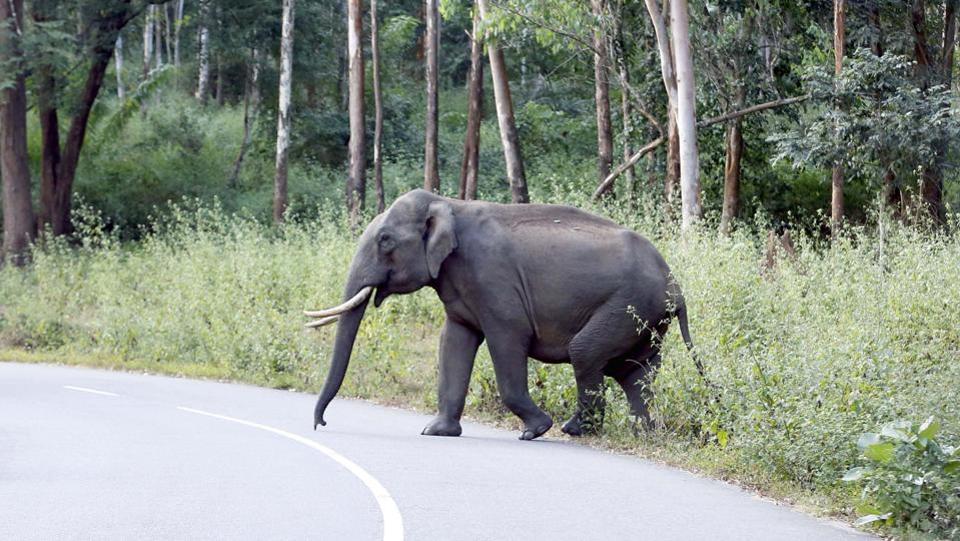
A ‘loner’ is an elephant that moves away from the herd.
“Given the trend of attacks by elephants on vehicles on the road stretch between Garjiya and Mohan in Ramnagar adjacent to Corbett, it has been decided that vehicles won’t be allowed to stop on this stretch,” said BP Pant, ranger Kosi range in Ramnagar forest division.
“Our forest check posts and patrolling staff will tell the vehicle owners, especially the truckers, not to stop their vehicles on the 25-km stretch, as the same would make them vulnerable to attacks by elephants,” he added.
Pant said over the last one year or so, tuskers have attacked the vehicles three to four times. “Nearly two months ago elephants even stopped a bus on this stretch. Over six -seven months ago, the elephants attacked a truck laden with mangoes. They have also attacked trucks laden with food items like wheat flour, jaggery and salt,” he said.
KN Bharti, sub-divisional officer, forests, Ramnagar, said that a few male elephants have become habitual of attacking the vehicles. “Somehow over the years, they have figured it out that the vehicles have food item in them. And when they find some vehicle had stopped, they attack and ransack its interiors in search of the food items,” he said.
Bharti said generally the elephants are chased away, but it remains a challenge as one cannot figure out at what point on this stretch the elephants will attack a vehicle.
On October 29, 2018, an elephant attacked a tourist vehicle in Mohan area near Corbett Tiger Reserve. The tourists inside the Maruti car immediately left it and ran for their lives. The elephant ransacked the vehicle, upturning it to the other side.
Ramnagar area around the Corbett park is witnessing increasing man-elephant conflict for some time. The rampaging elephants raid the crops on a regular basis. Many villagers have even complained about the problem to the forest department.
Ramnagar based wildlife activist AG Ansari, who has been keeping a watch on the wildlife in the area for over last two decades, said the attacks were not the work of regular elephant herds. “These are some five to six loner male tuskers, who live away from groups and have become habitual of attacking the vehicles. It may have happened by accident that any elephant found food items in a vehicle in the past. And now they have learnt the trick,” he said.
Ansari said these elephants come on to the road stretch when they move out from the Corbett park towards the Ramnagar territorial forest division. “The decision of the forest department not to allow the vehicles to stop on this road stretch is a good initiative that will help in checking these attacks,” he said.