E-Paper



Uttarakhand high court restricts number of tourists at alpine meadows to 200
The Uttarakhand high court also directed the state government to remove all permanent structures from alpine meadows/sub-alpine meadows/ bugyals, including Aali-Bedini-Bagzi Bugyal in Chamoli within three months.

 Prefer HTon Google


The Uttarakhand high court has directed the state government to restrict the number of tourists that can now visit alpine meadows/sub-alpine meadows/bugyals in the state to not more than 200.
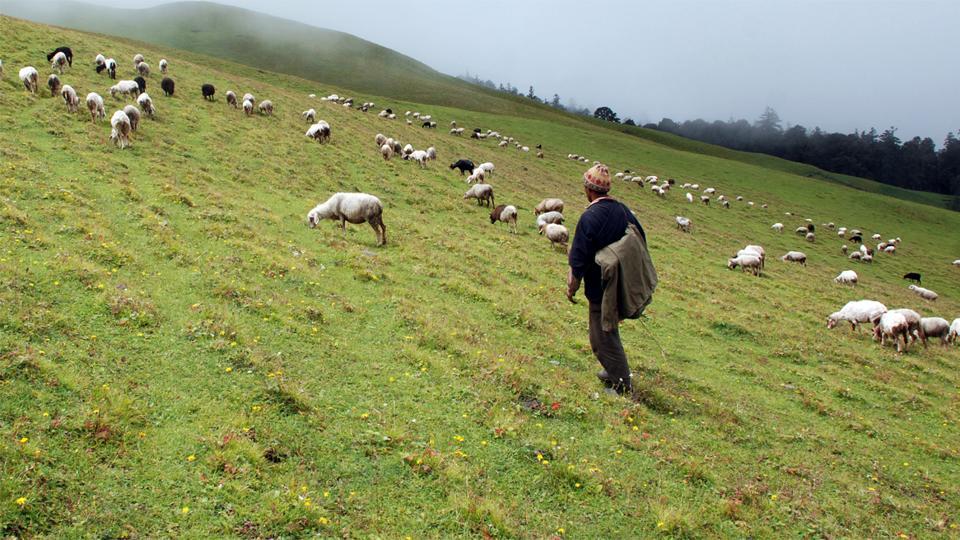
The word ‘bugyal’ in Garhwali means high attitude meadows or pasture land.
The HC also directed the state government to remove all the permanent structures from the alpine meadows/sub-alpine meadows/ bugyals, including Aali-Bedini-Bagzi Bugyal in Chamoli within three months. The court has also banned overnight stay and commercial grazing of cattle in the alpine meadows/subalpine in the state.
The directions were issued by the division bench of acting chief justice Rajiv Sharma and Justice Lok Pal Singh while disposing of a public interest litigation (PIL) on Tuesday filed by Chamoli-based Aali-Bedini-Bagzi Bugyal Sanrakshan Samiti in 2014. Aali-Bedini-Bagzi Bugyal is a famous meadow in Chamoli district.
The PIL sought conservation and preservation of the bugyal located below the Roopkund area in Chamoli. The PIL also sought a direction to the forest department to remove permanent structures and construction of fibre huts in the bugyal area. The bugyal area is spread over three blocks of Chamoli -Tharali, Dewal and Ghat and covers nearly 4,000 square hectares in the forest area of Badrinath Forest Range.
The 57-page order cited books like Pranay Lal’s Indica: A Deep Natural History of the Indian Subcontinent, Peter Wohlleben’s The Hidden Life of Trees, Dr Rajendra Dobhal’s Grassland Ecosystems of Central India Himalaya, GS Rawat’s Alpine Meadows of Uttaranchal and said, “The conservation of these Bugyals is of utmost importance. The petitioner has sought a direction to the forest department to take steps and to make a policy for the protection of bugyals situated below the peak of Roopkund Lake particularly known as Aali-Bedini-Bagzi bugyals... The forest department has constructed fibre huts on these bugyals... The commercial activity in these bugyals has led to soil erosion and pollution including poaching of animals...”
The court noted that the fibre huts had been constructed with a concrete base. “These constructions adversely affect the environment and the ecology of the area. The bugyals are maintaining the eco-system. The damage caused to the eco-system i.e. bugyals is considered to be the key to global warming and melting of glaciers,” the HC order said.
“There are world famous bugyals/meadows in Chamoli. The state government has not taken effective steps to conserve and preserve them. Construction of Fibre Huts in Bugyals is causing irreparable damage to the environment and ecology of the area... no camping activity should be permitted on these grasslands. The number of tourists visiting these Bugyals should also be restricted...”