
 E-Paper



Graded pollution plan to be lifted on Thursday, SC body says Delhi air ‘slightly better’
The Supreme Court-appointed Environment Pollution (Prevention and Control) Authority (EPCA) has decided to lift the Graded Response Action Plan from March 1, at least 15 days before schedule


With air quality in Delhi-NCR showing signs of improvement, the Supreme Court-appointed Environment Pollution (Prevention and Control) Authority (EPCA) has decided to lift the Graded Response Action Plan from March 1, at least 15 days before schedule.
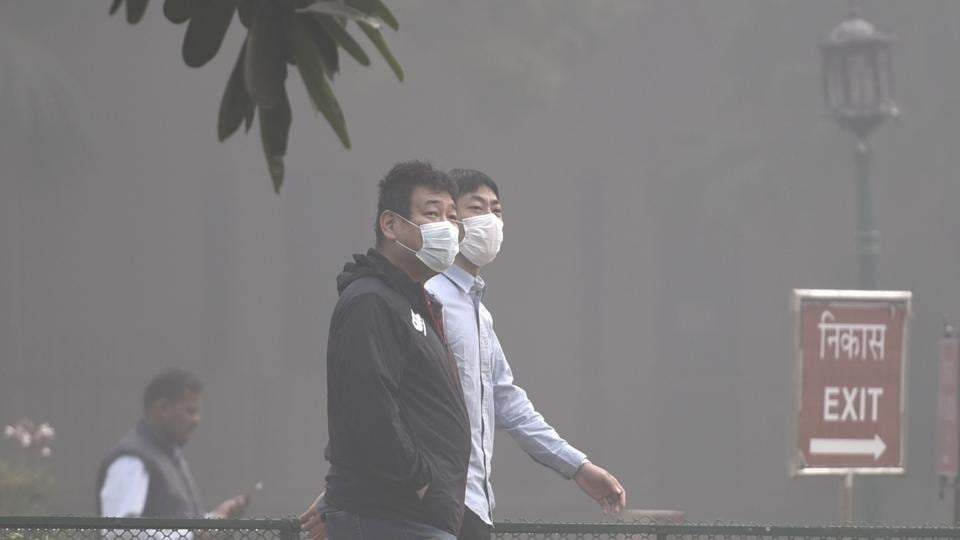
“We are lifting the GRAP measures for severe and very poor categories of pollution from March 1. The measures for combating poor and moderate air quality would, however, remain in place,” Bhure Lal, EPCA chairman, said.
This means even though the ban on diesel generators in Delhi would be lifted from Thursday, measures such as ban on garbage burning would continue to remain in force.
GRAP measures were rolled out from October 17. They were supposed to remain in place till March 15, 2018.
“Overall, there is a slight improvement. During the last winter (2016-17), the number of days in the very poor and severe categories was more. This winter (2017-18), the number of days in the poor and very poor categories has increased,” says Sunita Narain, EPCA member.
EPCA members said that as meteorological parameters remained almost the same during October-February over the past two years, the improvement in air quality could be attributed to the stringent measures under GRAP.
“The air in the NCR is so polluted and toxic that our combined efforts have reduced pollution merely from the severe and emergency category to poor and very poor category. Very poor category is still deadly. According to the health index of the government, prolonged exposure to this level of pollution is hazardous, even for healthy people, It is not safe to breathe yet,” said Narain.
However, despite all the efforts, the known pollution hotspots including Anand Vihar in Delhi, Ghaziabad in UP, Bhiwadi in Rajasthan among others didn’t show any signs of improvement.
“Over the next one year, agencies would implement measures for poor and moderate air categories. The agencies would send a monthly report to the CPCB task force. EPCA members would meet every three months,” said Narain.
Stay updated with all top Cities including, Bengaluru, Delhi, Mumbai and more across India. Stay informed on the latest happenings in World News along with Delhi Election 2025 and Delhi Election Result 2025 Live, New Delhi Election Result Live, Kalkaji Election Result Live at Hindustan Times.


