
 E-Paper



Rising pollution, fumes from open drains damaging Delhi Metro infrastructure
Officials said that in Metro stations located around open drains and high pollution zones, installations such as overhead electrification (OHE), power stations, tracks and even the concrete structures witness a smaller life span compared to similar installations in other areas.


Rising pollution, toxic fumes and vapours from open drains across the national Capital are not only taking a toll on people’s health, but also affecting tracks, trains and other equipment on the Delhi Metro, officials said.
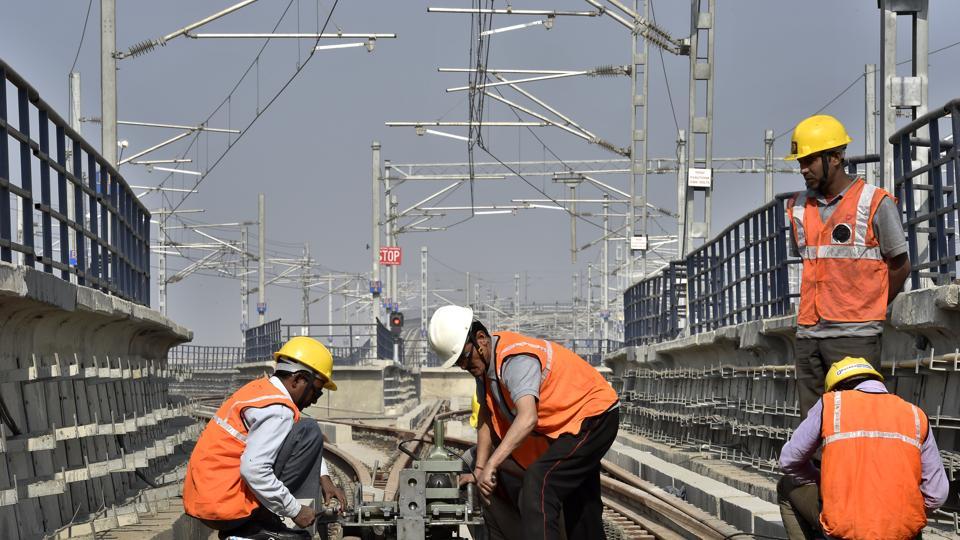
Officials from the Delhi Metro Rail Corporation (DMRC) said that in Metro stations located around open drains and high pollution zones, installations such as overhead electrification (OHE), power stations, tracks and even the concrete structures witness a smaller life span compared to similar installations in other areas.
Not just this, these toxic fumes and vapours also take a toll on the air conditioning inside stations and trains that cross these stretches regularly.
“Though minor problems are experienced even in the air conditioning of trains, since they just have to pass through these areas for a limited period of time, the damage (to the trains) is less. The fixed structures, however, are affected more,” said DMRC managing director Mangu Singh.
DMRC officials said the problem is prevalent in stations located in areas like Mayur Vihar, Dwarka, Seelampur, Azadpur, Shahdara, Najafgarh, and Hudson Lane, which are in close proximity to open drains.
Experts said that in Delhi, the primary component of the water that flows in storm drains is sewage. This sewage, on degradation, produces harmful gases such as methane, hydrogen sulphide and carbon dioxide. These gases are highly corrosive in nature, the experts added.
Mukesh Khare, professor of environmental engineering at Indian Institute of Technology (Delhi), said these gases have high corrosive properties, and exposure to them over time leads to the thinning of the overhead wiring system on the network.
“Storm water drains are not supposed to carry sewer. The problem is the lack of proper management of these drains. These drains cannot be closed, but strict rules can be implemented against the mixing of sewage into it,” said Khare.
DMRC officials said they have been taking extra precautions in stretches that have open drains in the vicinity. The measures include the use of protective paints on station walls and use of high-resistance metals in order to delay the corrosive degradation.
“We have been assessing the effects of polluted zones on our systems and over the last few years we have taken preventive measures to reduce the damage,” said a Metro spokesperson.


Stay updated with all top Cities including, Bengaluru, Delhi, Mumbai and more across India. Stay informed on the latest happenings in World News along with Delhi Election 2025 and Delhi Election Result 2025 Live, New Delhi Election Result Live, Kalkaji Election Result Live at Hindustan Times.


