
 E-Paper



1% environment cess not a deterrent, say activists on SC’s diesel vehicle order
The Supreme Court’s order to impose 1% Environment Compensation Cess (ECC) on high-end diesel cars and SUVs having engine capacity of 2000cc and above in Delhi and NCR was “too low” and would not even act as a deterrent, environmentalists said on Friday.


The Supreme Court’s order to impose 1% Environment Compensation Cess (ECC) on high-end diesel cars and SUVs having engine capacity of 2000cc and above in Delhi and NCR was “too low” and would not even act as a deterrent, environmentalists said on Friday.
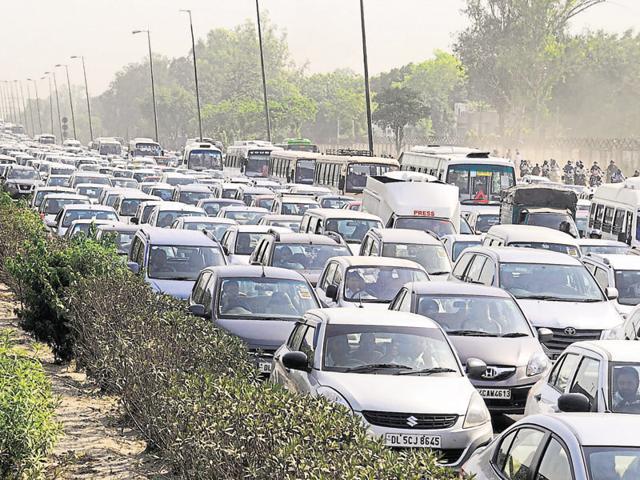
The order prompted mixed reactions from environmentalists. Anumita Roychowdhury, executive director of Centre for Science and Environment (CSE), said though the voluntary offer by the car industry to pay 1% cess was is not a deterrent, the SC’s indication that it could be enhanced or applicable to all diesel cars is a promising move.
“ECC is expected to make consumers aware of the pollution potential of the diesel cars. The idea is to fix responsibility and to implement an effective fiscal deterrent for manufacturers,” she said.
She said that earlier the amicus curiae in the case had proposed the implementation of at least 20-30% ECC on diesel cars to equalise the fuel taxes for diesel and petrol car users.
Read more: SC lifts ban on large diesel vehicles in Delhi, imposes 1% cess
“Diesel car users cannot pay less tax per litre of fuel compared to petrol cars or two-wheelers. This needs to be equalised to control growing use of dirty fuel in cars that have cleaner substitutes like petrol and CNG,” Roychowdhury said.
The top court on Friday said that large diesel cars — mainly SUVs — can once again be sold in Delhi, but a green tax will have to be paid by manufacturers or dealers to compensate for polluting the capital’s air. The tax — 1% of the ex-showroom cost (before other taxes are included) — must be deposited in a designated state-run bank.
For example, for a car worth `40 lakh, an ECC of `40,000 will have to be paid.
Sanjay Upadhyay, senior lawyer representing Vardhaman Kaushik on his petition which prompted the ban on plying of diesel vehicles older than 15 years, said that the order was a symbolic move which sends out a message that environment is in the mind of the country’s apex court.
“To go into the actual 1% cess will not pinch the pockets of manufacturers or the person who can afford a car worth lakhs. However, this comes as a promise that steps will be taken to curb air pollution and the people and establishments will be held accountable,” Upadhyay said.
In December last year, the SC had temporarily banned the sale of large diesel cars with an engine capacity of 2000cc or more to combat the rising pollution levels.
The case was also taken up in the National Green Tribunal (NGT).

Stay updated with all top Cities including, Bengaluru, Delhi, Mumbai and more across India. Stay informed on the latest happenings in World News along with Delhi Election 2025 and Delhi Election Result 2025 Live, New Delhi Election Result Live, Kalkaji Election Result Live at Hindustan Times.


