
 E-Paper



Bird-watching in summer? Here’s a sneak peek of what you will get to see
Delhi has over 500 species of birds. Though winter is bird-watching season, summer has its own charm. Take your binoculars along on an early morning walk


At the relatively early hour of 7am on a recent weekday, the Asola Bhatti Wildlife Sanctuary was alive with sounds – the familiar cry of the peacock, the chirping of sparrows and the unidentified twitter of other unknown birds. But then, birds don’t suffer from insomnia. Nor do they work late nights and so don’t need to sleep in late. At least that was my excuse to myself as I followed a mildly peeved guide on a birdwatching trail, who complained that the sun was already too hot for most birds to be seen in the open. While bird-watching walks are common in Delhi during winter, the hot summer months are not ideal for outdoor activities. Which is why when a bird-walk was announced on the Delhi events calendar for this weekend, we were intrigued. “The Delhi Bird Club has over 10,000 members and in winter, walks are organised every weekend. Sometimes there are three-four walks on the same day. Serious birders, however, are impervious to heat or other uncomfortable weather conditions,” says ornithologist, bird-watcher and author Bikram Grewal.
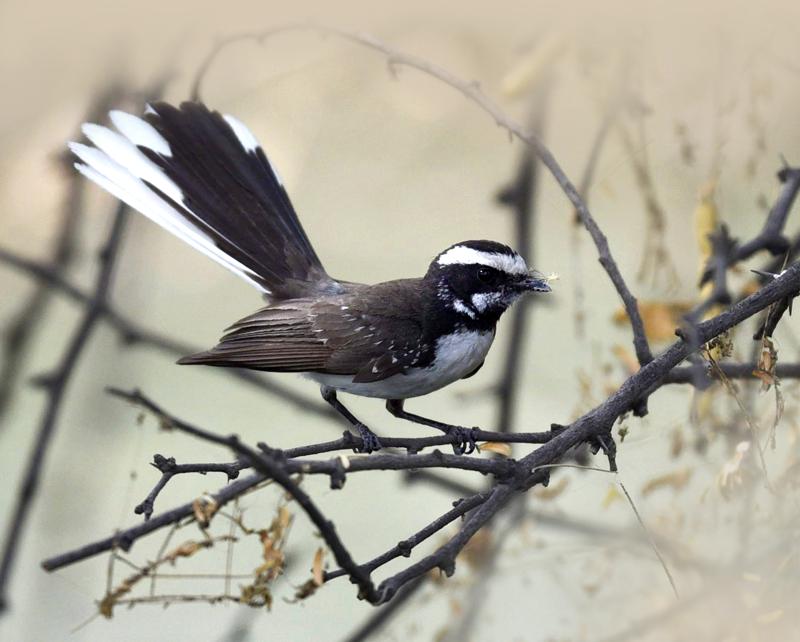
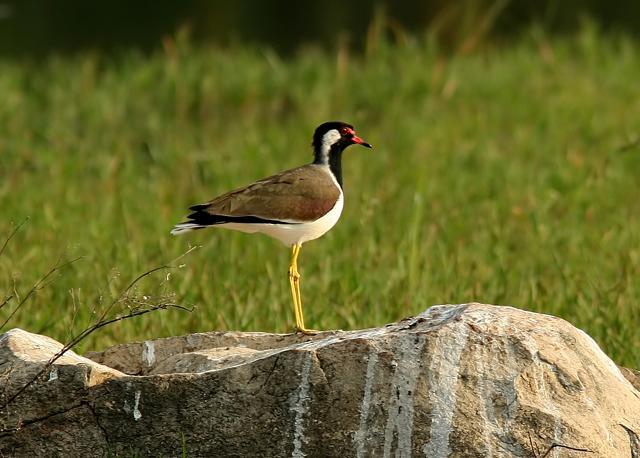
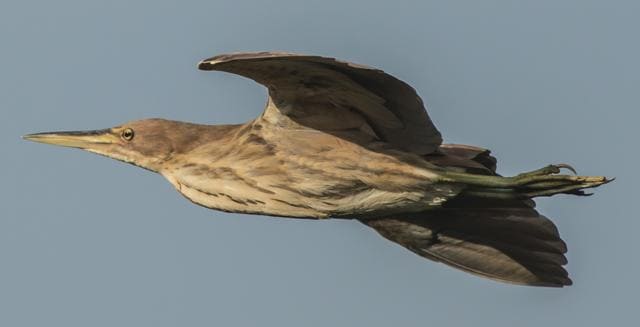
At the Asola Bhatti Wildlife Sanctuary, walks are organised every month by the Conservation Education Centre of the Bombay Natural History Society. The walks are led by education officer Ishtiyak Ahmed. Summer months are no exceptions. The next walk is scheduled to be held this Sunday. “Delhi has a checklist of over 500 bird species, making it the second biggest capital city in this regard. The highest number of bird species in a capital city are to be found in Nairobi,” says Grewal. “Unfortunately, with the growing population and the weak implementation of wildlife laws, there is a huge encroachment into the wetlands and marshes in the NCR by the builders lobby. Delhi stands to lose its popularity as a bird-watching spot because of this.” While bird-watchers in October and the winter months are rewarded by the sightings of many migratory birds, there are a few summer migrants that pass through the national capital too. “These birds come from the south and use the Delhi region as a transit point, on their way to the Himalayas,” says Grewal. Primary among the summer visitors is the Asian Paradise Flycatcher, one of the most stunning birds we have in the country. The long white tail of the bird is acquired after its fifth year. Plus, there are enough resident birds such as the Saras Crane – India’s tallest flying bird and the Red-Wattled Lapwing, which has one of the loveliest calls and is popularly known as Titri in common parlance. Then there is the Common Sandpiper, probably the commonest wader seen in this region throughout the year, and the Yellow-Legged Green Pigeon, also called the Hariyal, which has one of the sweetest whistles and is even seen in colonies in the heart of Delhi, as long as there are some tall trees for it to perch on. “Summer is the breeding season, so birds look their best. There are some secretive birds, such as the Bitterns, that are more visible at this time because they are displaying themselves (to attract partners),” says Grewal.
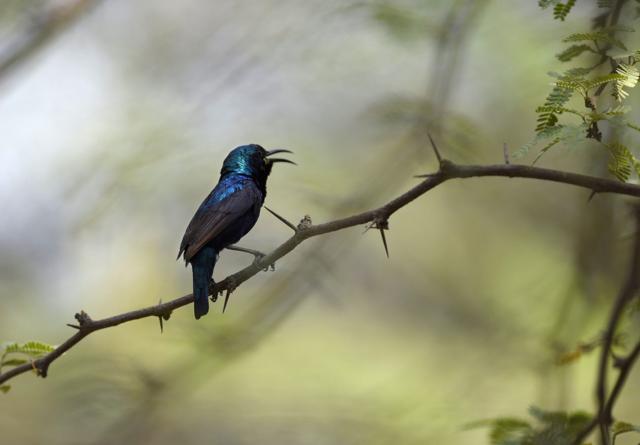
But breeding season also means that it’s a busy time for the birds – like the White-Browed Fantail, that has become increasingly rare, and which made photography difficult for the HT team, by hardly staying at a single spot for more than a few seconds. “Small birds are anyway more difficult to spot, because they are more active. Also, in the breeding season the birds are busy building their nests and incubating the eggs. Once the eggs are hatched, the chicks eat up to 200 times a day, so parents are kept very busy,” says Ahmed. Patience is the key. Most birds will flock towards any available water source and these present the best spots for bird watching. The HT team was finally able to see not just the Fantail, but Lapwings, the Indian Robin, the Yellow-Eyed Babbler, and the Black Drongo.
If you want to know more about these feathered beauties, pick up a copy of the Atlas of the Birds of Delhi. Or join the walk at the Asola Bhatti Wildlife Sanctuary this weekend.
What: Bird Breeding and Nesting Behaviour Walk
Where: Asola Bhatti Wildlife Sanctuary
When: June 12, 6.30 am onwards
Charges: Rs 350 per person
For details contact: Ishtiyak Ahmed, education officer, who will lead the walk, at 26042010, 8800741864 or 9868441983
You could also become a member of the Delhi Bird Club and you will get email updates each week on upcoming bird-walks. Membership and walks are free. Contact them on Facebook at Delhibird — The Indian Bird Network.
OTHER PLACES FOR BIRD-WATCHING IN DELHI
Okhla Barrage, where you get to see some waders and grassland Prinias
The Sultanpur Bird Sanctuary beyond Gurgaon
The wetlands of Greater Noida
The forests of Mangar Bani, which is thought to be a ‘sacred grove’ near Gurgaon
The Ridge area, the Aravali Biodiversity Park and Lodhi Gardens in Delhi, where during morning walks, one can see up to 30 species of birds
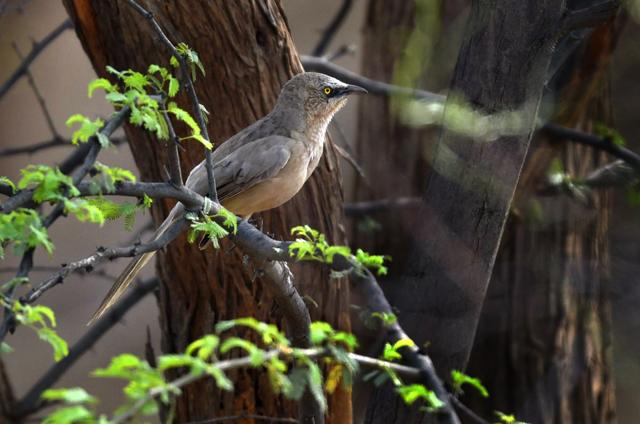
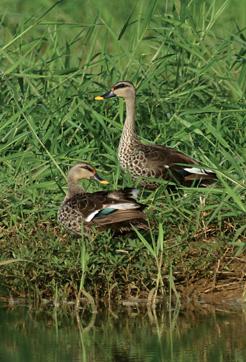
BIRDS SPOTTED AT THE ASOLA BHATTI WILDLIFE SANCTUARY THIS WEEK
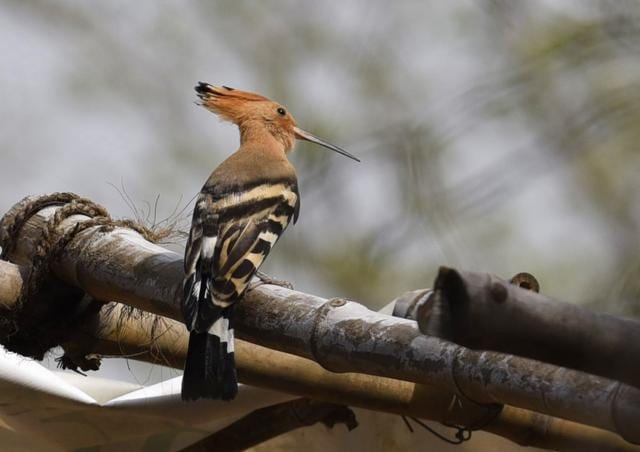
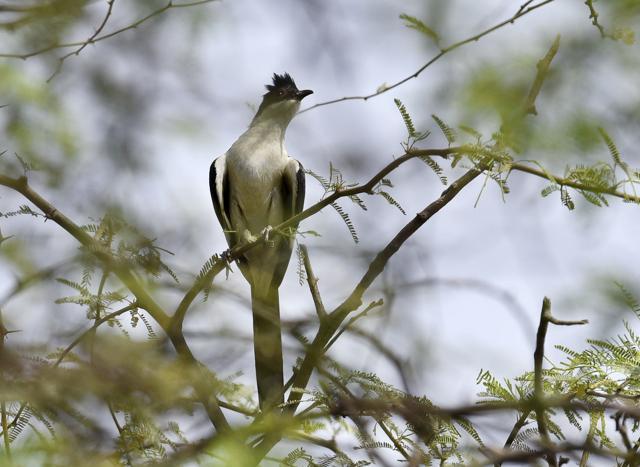
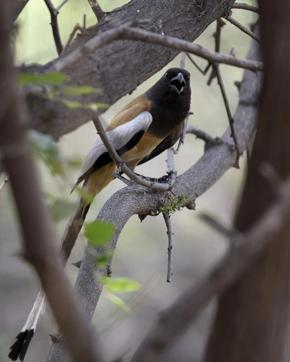
SOME SUMMER MIGRANTS TO DELHI
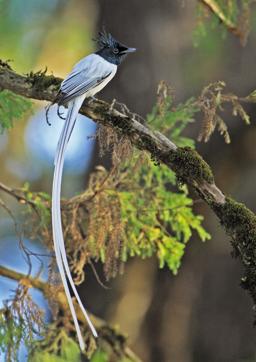
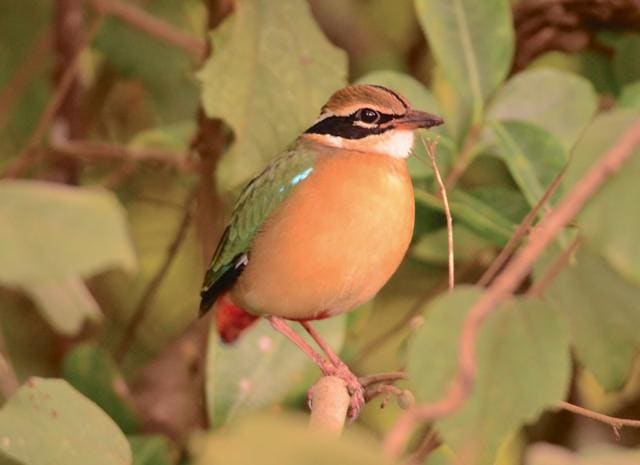
SOME RESIDENTS BIRDS OF DELHI THAT ARE SPOTTED IN SUMMER

Stay updated with all top Cities including, Bengaluru, Delhi, Mumbai and more across India. Stay informed on the latest happenings in World News along with Delhi Election 2025 and Delhi Election Result 2025 Live, New Delhi Election Result Live, Kalkaji Election Result Live at Hindustan Times.


