
 E-Paper



UPA did better poverty alleviation than NDA: Montek
Montek Singh Ahluwalia made two clear distinctions about poverty today while trying to douse the fire emanating from abysmally low daily poverty line of per capita Rs 33.2 per in urban areas and Rs 27.2 in rural areas. Chetan Chauhan reports.


Planning Commission deputy chairperson Montek Singh Ahluwalia made two clear distinctions about poverty on Monday while trying to douse the fire emanating from abysmally low daily poverty line of per capita Rs 33.2 per in urban areas and Rs 27.2 in rural areas.
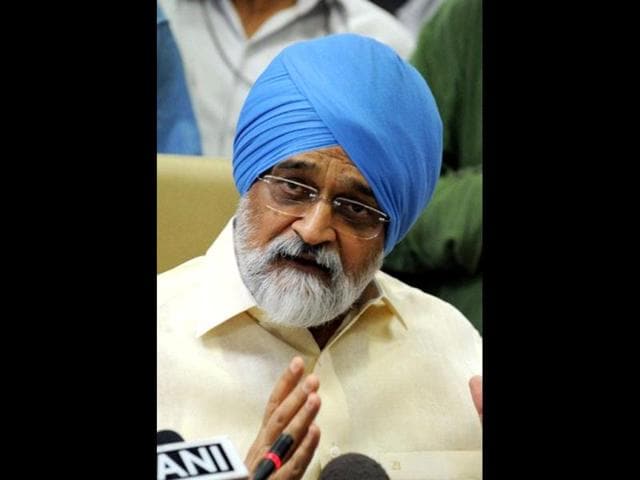
First was political in nature - poverty reduction during the UPA regime was three times more than during the BJP led NDA rule. The second was sociological - it meant that 21.9% poor are not aam aadmi (common person) but the ones living in distress.
"It is irrefutable that during UPA rule poverty fell by 2.24 percentage points annually as against 0.74% during the pervious (NDA) regime and it went down in absolute numbers by 138 million unlike any time before. That does not mean poverty has been eradicated. We still have a lot of poor," Ahluwalia said.
Agreeing with the public perception that the poverty line was low, Ahluwalia said, whatever line is fixed, it would show reduction in number of poor during the UPA was higher than NDA.
"We had an average growth of about 8.2%. The NDA had 5.7% or 6.2% the way one looks. The agriculture growth was more and we built rural infrastructure that increased real rural wages. No indicators shows we are lagging," he told HT, while taking a dig at BJP’s criticism of the poverty numbers.
The panel released poverty data on the "junked" Tendulkar methodology to earn political mileage in the election year and did not wait for new evaluation system being developed by C Rangarajan committee.
The committee is expected to submit its report in 2014. The deputy chairperson also said Tendulkar methodology used to define latest poverty numbers was globally acceptable.
Ahulwalia said that "arbitrary" poverty line has to be drawn to reflect the impact of economic policies on people over a period of time and added that he would have been "dishonest" if the latest poverty numbers were released to inform people how UPA has fared.
Releasing the numbers and showing the panel in bad light among the middle-class had bearing on Ahluwalia. He insisted that the poverty line should not be taken as aam aadmi line and drew distinction between aam aadmi and the poor.
"Those at the rock bottom level are poor. Then there are rich. The third for me is aam aadmi, who are more than just poor," he said, adding that schemes on health and education were meant for poor and aam aadmi.
Ahluwalia also took a dig at the opposition and his colleagues for not accepting that poverty has fallen and described their claims as "ridiculous".

Stay updated with all top Cities including, Bengaluru, Delhi, Mumbai and more across India. Stay informed on the latest happenings in World News along with Delhi Election 2025 and Delhi Election Result 2025 Live, New Delhi Election Result Live, Kalkaji Election Result Live at Hindustan Times.


