
 E-Paper



A new Twitter, unshackled
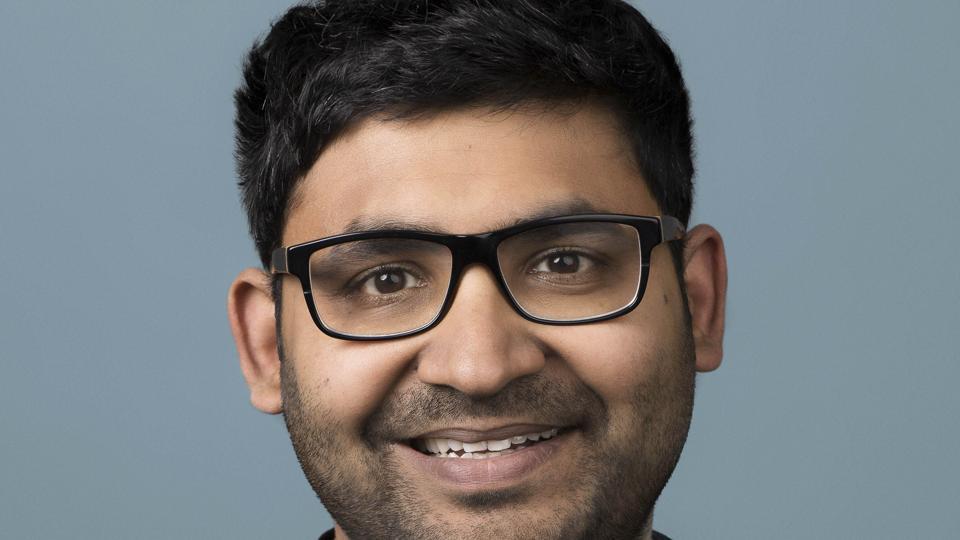
As chief executive officer, Parag Agrawal must ensure growth, steer clear of partisan politics, prep for regulation

 Prefer HTon Google


Twitter co-founder Jack Dorsey stepped down as the chief executive officer (CEO) in a surprise announcement on Monday, handing the reins over to a long-time company hand and the current chief technology officer Parag Agrawal. Mr Dorsey emphasised the decision was his own and was meant to unshackle the company from the challenges of being led by its founders which, he said, is “severely limiting and a single point of failure”. Analysts have pointed out that there may be some truth to that: Twitter’s value based on its stock price grew around 76% since Mr Dorsey took over, a period in which the S&P500 grew by double that value. Other social media services such as Facebook and Instagram have logged dizzying trajectories in user and earnings growth.
Mr Dorsey’s stint at the company began for a second time in 2015 — he left in 2009 to set up a payments company, Square, that he still heads. In this time, that Twitter has taken on some of Mr Dorsey’s own traits is unmistakable: The company, much like him, clung to some notions of idealism that has brought it into conflict with politics. For instance, the company permanently banned former United States president Donald Trump in the days after the Capitol riots while others, such as Facebook, announced a limited suspension only months later. In India, Mr Dorsey famously posed for a photo with a group of women holding up a “Smash Brahminical patriarchy” placard, endorsing a position that most CEOs would rather avoid. As Mr Dorsey cultivated a hippie libertarian image, Twitter was dragged along to the political Left.
But Mr Dorsey has also helped keep Twitter a tool for speech even when the other eccentric social media boss of our times, Mark Zuckerberg, appears to have moved so far towards chasing profits that there is now a chorus demanding his ouster. In recent months, Mr Dorsey’s Twitter has not shied away from looking inwards, opening up to academics to take apart its own systems and admitting to problems — it even dropped certain features after discovering racial biases. It is this mixed legacy that now falls on the shoulders of Mr Agrawal, who will need to meet investors’ demand for growth and keep Twitter away from the messy wrangle of partisan politics, and at the same time, prepare for a new paradigm of regulation that is sure to bring more conflicts for the company.


