
 E-Paper



Across India, Omicron ebbs
Lift restrictions, reopen schools, expand the vaccine plan, and prep for future variants

 Prefer HTon Google


India recorded fewer than 100,000 new Covid-19 cases for the first time since January 5 on February 6, according to the Hindustan Times dashboard. The 7-day average of daily new cases was down to 138,472, a 27-day low. Acknowledging that many cases remained unreported (with people resorting to self-administered tests), there’s enough to suggest that the third wave of the pandemic is now ebbing. Life and business are returning to normal — with states and Union Territories reopening schools, which, in India still are the first to close and the last to reopen (instead of the other way round). It was a wave that left Indians (especially those vaccinated, and without significant co-morbidities) relatively unscathed, and during which occupancy of Covid-19 beds did not cross 20%. Given India’s experience with the Delta variant, and the fact that the third wave was caused by the more infectious Omicron strain (which means far more people are likely to have been exposed to the virus), the country can now look forward to at least a few months of respite. It’s a lull that it would do well to use productively.
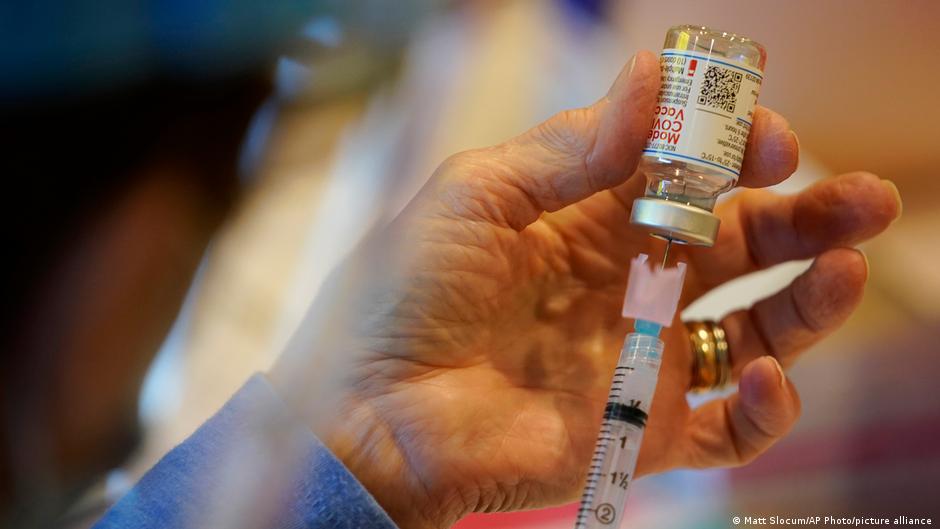
One, with Omicron having demonstrated the need for a booster dose of the vaccine, the Union health ministry should announce an expansion of its own booster drive to everyone over the age of 45, and, subsequently, to everyone over the age of 18. Science has proven the need for one, and supplies are no longer a constraint, so there is little reason for the ministry to drag its feet on this, or impose not-based-in-science restrictions on the gap between the second dose and a booster. This is crucial because the global scientific consensus is that Omicron will not be the last variant of concern of the Sars-CoV-2 virus. Two, the Union health and home ministries should work with states to come up with a protocol of restrictions to deal with future waves, and, importantly, the data points that will trigger them. This should also address the historical disadvantage such restrictions have done to education and ensure that educational institutions are the last to close and the first to reopen.
Three, the Union health ministry should ensure that the consortium it has set up to sequence Sars-CoV-2 genomes works even more consistently during the lull to ensure early warning of any new variant of the virus. And four, discriminatory as it may be, ensure the complete removal of restrictions (in normal circumstances) for anyone who has been fully vaccinated even as they do just the opposite for those who haven’t been.


