
 E-Paper



Affidavits will not fix freebies
Freebies do pose a threat to India’s fiscal health but the ECI proposal may be counterproductive

 Prefer HTon Google


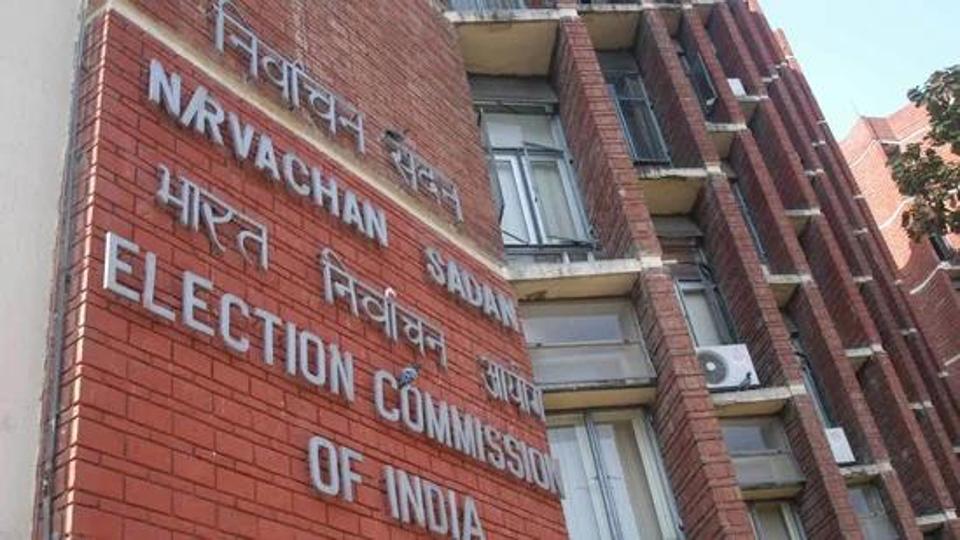
In what appears to be yet another effort to tackle the problem of freebies, the Election Commission of India (ECI) has proposed – views of political parties have been sought on the issue – an amendment to the Model Code of Conduct (MCC) for elections. The proposed amendment asks that political parties come clean on the fiscal costs of political promises made during elections. By doing this, ECI is hoping to “enable healthy debate on the (immediate and long-term) financial implications of implementing these promises”, which it thinks is “imperative for facilitating the conduct of free and fair elections”. The growing political tendency to use freebies does pose a threat to India’s long-term fiscal health; and by extension, the economic fortunes of our future generations. However, the problem is easier to state than solve and the best solution might be sustained high growth rather than passing strictures. Having made this general point, there are at least three reasons why ECI’s latest move might not achieve its stated purpose.
The entire proposal is based on the premise that voters reward political parties, which make (fiscally) irresponsible promises because they are unaware of the cost. This is not necessarily true. For example, research by political scientist Milan Vaishnav has shown that voters elect candidates with criminal backgrounds – an earlier ECI decision has made it mandatory for candidates to disclose criminal cases against them – being fully aware of their criminal antecedents, and even hoping to benefit from their strongman traits. Freebies need not be different. Two, it can be argued that the proposal in its present form will subvert rather than facilitate free and fair elections. Unlike what ECI seems to believe, fiscally irresponsible decisions are not limited to election campaigns or always made to exploit populist traction. Incumbent governments announcing populist schemes before the MCC kicks in or making fiscally expensive decisions to curry favour from vested interests (it can help via the political finance route) are likely to go scot-free under the proposed amendment, while the Opposition will have to carry a disproportionate disclosure burden.
Three, addressing the problem of freebies without acknowledging the simmering tensions in India’s fiscal federalism is missing the wood for the trees. The Centre and states face very different rules under the FRBM (Fiscal Responsibility and Budgetary Management) law, and the latter have been left with very little fiscal autonomy in the post-GST regime. Any attempt to curtail the fiscal headroom at the level of politics will only add to the political discontent which is fuelling the freebies fire in India.


