
 E-Paper



Bagga case: Don’t delay police reforms
Despite the drama involved in the three-state turf war, the incident offers a sobering view of how entrenched political loyalties have weakened State institutions and how urgently reforms are required to unlink law enforcement from political compulsions

 Prefer HTon Google


The breathless saga over the past 48 hours involving Bharatiya Janata Party (BJP) leader Tajinder Pal Singh Bagga – which began with his early morning detention by Punjab Police, followed by the Haryana Police blocking the convoy carrying the leader and Delhi Police taking his custody back, then moved to the judicial domain with a local Punjab court issuing a warrant for his arrest and ending with the midnight relief granted by the Punjab and Haryana high court – saw all parties involved cut sorry figures. Worse still, the episode represented a hijacking of due process and cemented the solidifying trend of law-enforcement agencies acting as proxies of their political bosses in targeting opponents.
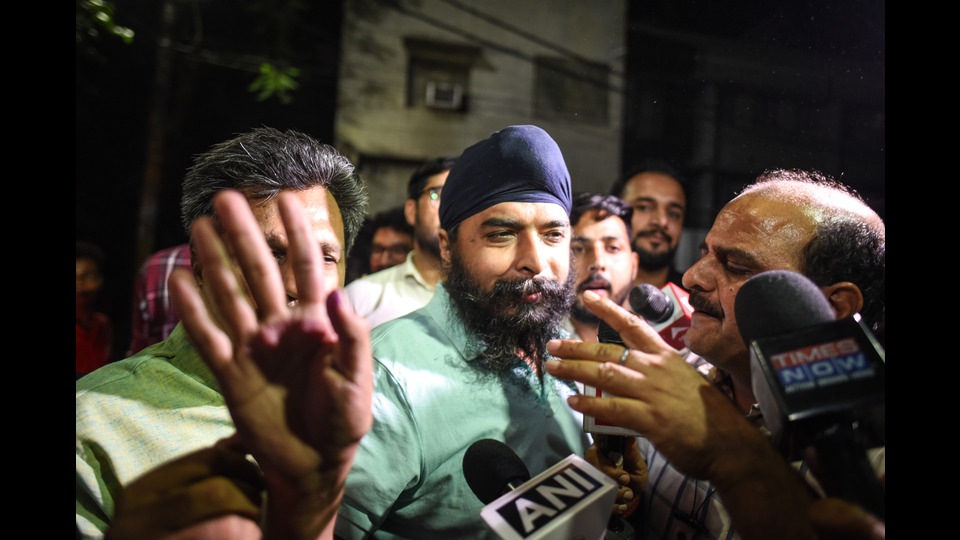
Despite the drama involved in the three-state turf war, the incident offers a sobering view of how entrenched political loyalties have weakened State institutions and how urgently reforms are required to unlink law enforcement from political compulsions. Without going into the merits of the case against Bagga – he is accused of issuing threats to Delhi chief minister Arvind Kejriwal, and has a previous record of physical assault – it is clear that in a hurry to score political points, the administration pushed the law-enforcement machinery to cut procedural corners. It is also clear that this flagrant disregard for established norms and rule of law is now popular across the ideological spectrum, from the Aam Aadmi Party to the BJP (last week, Gujarat lawmaker Jignesh Mevani was picked up by Assam Police and quickly booked in a second case after bail was granted in the first charge).
This doesn’t bode well for a democracy where the rule of law has to reign supreme. Despite political differences, parties and governments must find common ground to push through long-pending reforms that can lay down clear guidelines for inter-state police action and penalties for violating these norms. The cycle of political one upmanship must end.


