
 E-Paper



Heatwave needs a swift response
Death of nearly 100 people calls for a response spanning health care, policy, and governance

 Prefer HTon Google


A spell of searing heat led to the deaths of nearly 100 people in Uttar Pradesh and Bihar over the last few days, this newspaper reported on Monday. As is often the case in heat-related deaths, around 50 people presented symptoms that led doctors to believe that their existing illnesses turned fatal due to the high heat and humidity. Reports of more illnesses possibly connected to heat poured in from the region, underlining the myriad ways in which India will have to gird itself to deal with soaring temperatures over the next few decades. Even as the authorities investigate the precise reasons behind the spate of deaths, more systemic issues around health care will need to be tackled.
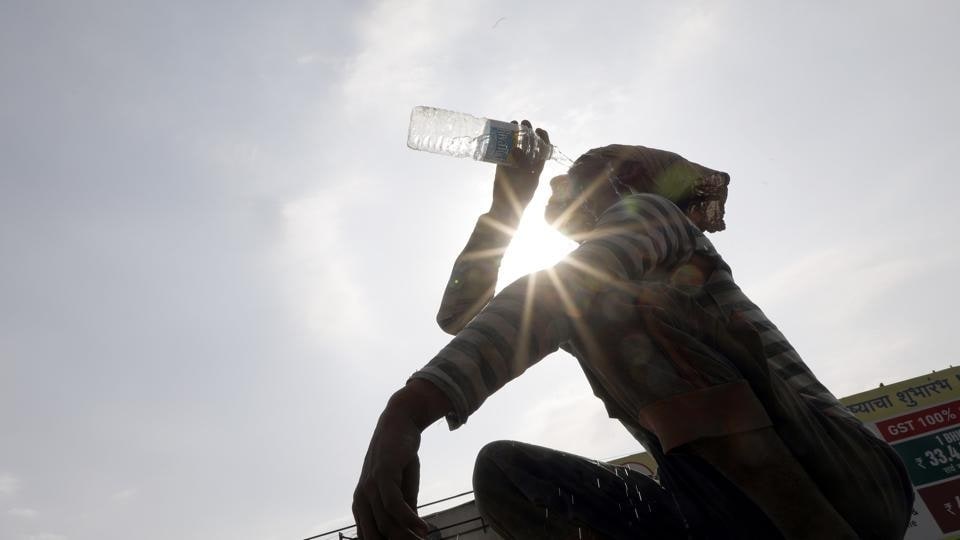
How does heat kill? Extreme temperature saps the body of moisture and energy, and rapid dehydration prompts confusion, nausea and dizziness. Physical exertion, manual labour and little access to cooling exacerbate these conditions, as does humidity. Often, low-income households, the homeless, the elderly and the frail are among the most vulnerable. In regions where health care infrastructure is stretched and feeble, extreme heat episodes, therefore, can pose a public health risk. This is a global phenomenon. A World Meteorological Organization report predicted last month that the world will “more likely than not” be 1.5 degrees warmer than the pre-industrial average for at least one of the next five years. Large swathes of India will not only be exposed to temperatures unimaginable even a generation ago, but will also need to urgently factor these frenetic changes in climate into its national policy. Heat deaths at an overcrowded event in Maharashtra earlier this year brought these harsh lessons home. Authorities will first have to move towards more sensitive and nuanced measures of temperature that record heat more accurately. The India Meteorological Department has made some strides in this regard, announcing that it plans to issue heat index (HI) readings for weather stations by calculating “real feel” heat index, which includes the day’s relative humidity, wind speed, maximum temperature, and cloud cover. Such steps need to be popularised and made a part of local civic planning. Heat action plans need to be made more operational, and their implementation gaps bridged. And finally, the government will have to bolster health care, increase safeguards for vulnerable communities, and ask hospitals to focus on heat-related ailments and their symptoms. In a rapidly warming world, nothing less will do.


