
 E-Paper



How to build urban climate resilience
To tackle climate challenges and build resilience, good governance will be crucial for cities, and city departments cannot afford to work in silos and blame each other for mismanagement

 Prefer HTon Google


Delhi continued its trend of breaking weather records since August 2020, as heavy rain in the National Capital Region (NCR) on Monday surpassed the 24-hour rainfall record in October, dating back to 1956. This year, 94.6mm of rainfall has already been recorded in the city in October, making it one of the wettest Octobers. According to the India Meteorological Department, the record is held by October 1954, which recorded 238.2mm rainfall. The heavy rains on Monday led to widespread water-logging and traffic snarls.
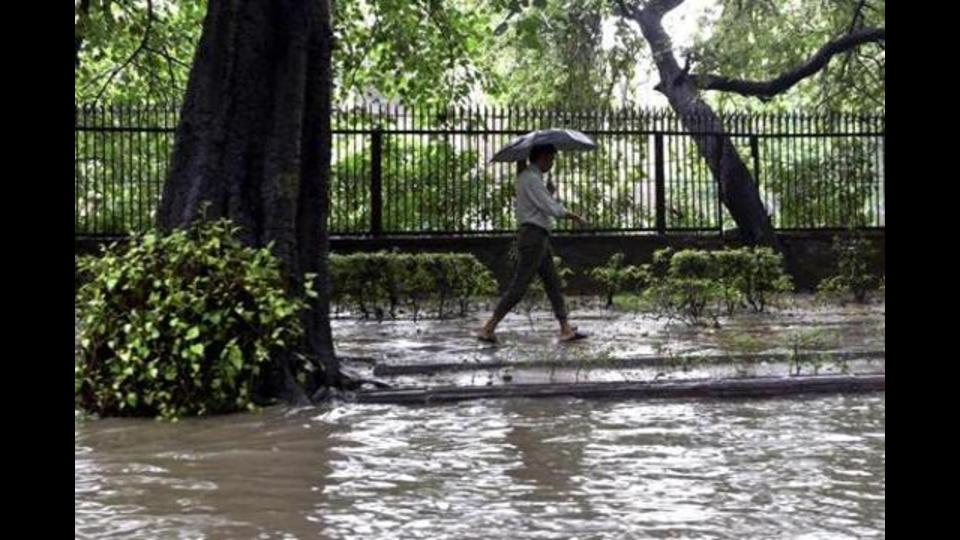
While met officials and scientists say these extreme weather recordings are the immediate result of temporary atmospheric events over (and in and around) the Capital, the larger role of the climate crisis in the shifting of weather patterns cannot be discounted, and the number of such events is expected to increase in the future. To tackle these climate challenges and build resilience, good governance will be crucial for cities, and city departments cannot afford to work in silos and blame each other for mismanagement. For example, East Delhi mayor Shyam Sunder Aggarwal blamed the public works department and flood control department for not clearing bigger drains, which is fed by the smaller ones maintained by city corporations.
The draft Master Plan of Delhi (MPD), 2041, is in the works. One of the critical areas that the Delhi Development Authority wants to tackle is jurisdiction issues, work being done by different agencies on drains, and the areas around them. This, along with the MPD-2041’s promise of formulating a “green-blue policy” (an urban planning concept that sees water bodies and land as interdependent and symbiotic, while offering environmental and social benefits), could be beneficial for the city to build resilience. Again, however, implementation will be the crucial factor between climate success and failure.


