
 E-Paper



India’s mission in the US
Each strand of Indian foreign policy will be on display during Prime Minister (PM) Narendra Modi’s visit

 Prefer HTon Google


Prime Minister (PM) Narendra Modi’s visit to the United States (US) marks the intersection of multiple strands of Indian foreign policy. The visit has a bilateral component, with the first in-person conversation between PM Modi and President Joe Biden. It has a plurilateral component, with the first in-person summit of the Quad leaders. And it has a multilateral component, as PM Modi moves to New York to address the United Nations (UN) General Assembly. In all forms of engagement, India confronts both an opportunity and a challenge.
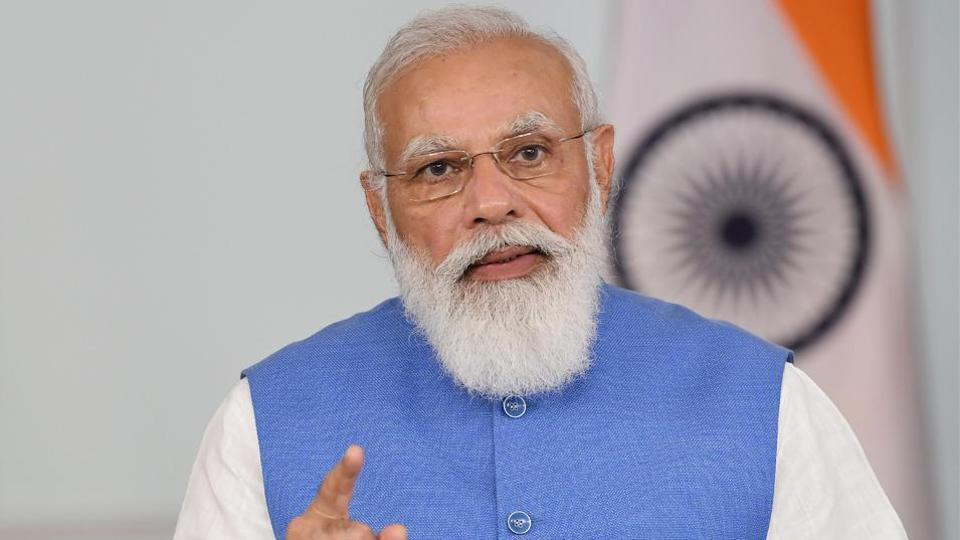
On the bilateral front, the strategic embrace with the US is now on firm footing. This is fundamentally driven by the shared concerns on China’s behaviour, which poses a threat to American hegemony globally and Indian security directly. This has translated into deeper defence, security and intelligence cooperation. This does not mean there aren’t differences. India is particularly concerned at the situation in Afghanistan, triggered by the US withdrawal, and Washington’s continued blind spot on Islamabad. India also, while deepening strategic ties, wishes to exercise autonomy in its choices, be it in the form of acquisition of S-400s from Russia or deeper engagement with Iran or having a working relationship with the military regime in Myanmar. It is committed to a free and open Indo-Pacific vision, but would have liked Washington to be more collaborative with other like-minded partners such as Paris on AUKUS. The US is frustrated with what it sees as India’s protectionist attitude on trade, there is a political constituency which is pressuring the Biden administration to actively speak up on the quality of Indian democracy, and climate remains both an area of agreement and differences. None of these issues are insurmountable, but building on the convergence while managing the divergence is important.
Along with the bilateral component, as external affairs minister S Jaishankar’s meetings with his counterparts from a range of countries show, India is conscious that the emerging world order will have several regional nodes of influence. There is a broader bipolar backdrop — where the US and China are colliding — but this coexists with a more complex architecture where different countries will matter on different issues. PM Modi will seek to strengthen ties with the US, send a message on regional security to China, and assert India’s independent worldview at the UN.


