
 E-Paper



LAC: India must stay vigilant
China’s insistence on separating the LAC standoff from the overall bilateral relationship is an indication that it is not keen on working towards an expeditious resolution of the standoff in the Ladakh sector

 Prefer HTon Google


Two developments along the disputed border with China are clear portends that Beijing has no intention of working with New Delhi to ensure a speedy resolution to the military standoff in the Ladakh sector of the Line of Actual Control (LAC). First, the Indian military has picked up ample signs that the Chinese People’s Liberation Army (PLA) has intensified patrolling and area domination activities across the contested border in Arunachal Pradesh. Second, last week, China adopted a new law that strengthens the PLA’s ability to work with civilians to defend the country’s borders. This law allows the State to combat all acts that undermine land boundaries, build border infrastructure, and nurture frontier towns. Coming close on the heels of the Chinese side’s refusal to act on India’s forward-looking proposals to end the military face-off at remaining friction points in the Ladakh sector during the last meeting of the senior military commanders, these developments make it clear that India is in for the long haul and cannot afford to let its guard down even an inch.
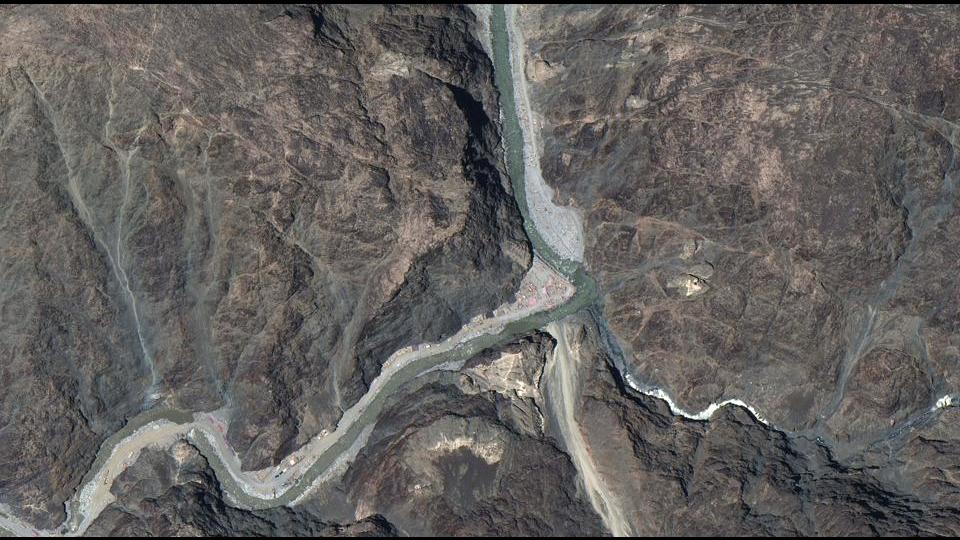
The Indian side has matched Chinese deployments all along LAC and troops are digging in for active deployment for a second consecutive winter. At the same time, India must keep up with the development of strategic infrastructure along LAC, even though the Chinese side has deeper pockets and far less official oversight. The new Chinese border law appears to be aimed at buttressing Beijing’s policy of building structures and hundreds of villages in the disputed stretches of its borders. This has now become a standard Chinese tactic of laying claim to disputed regions along the frontiers with India and Bhutan, and presenting a fait accompli. Along LAC, China’s aim appears to be to stick to the so-called 1959 LAC, first proposed by premier Zhou Enlai to Prime Minister Jawaharlal Nehru, which India has described as a unilaterally defined border that goes against several agreements signed by the two sides.
China’s insistence on separating the LAC standoff from the overall bilateral relationship too is an indication that it is not keen on working towards an expeditious resolution of the standoff in the Ladakh sector. India’s actions now will have to ensure that China’s ability to make any more unilateral attempts to alter the status quo on LAC is not successful, while simultaneously nudging the Chinese side to join serious negotiations to end the face-off in Ladakh and take forward the stalled work of the special representatives on the border issue.


