
 E-Paper



Renewing the bilateral pact
The onus is on Canada to take the lead in defusing the tension in its relations with India

 Prefer HTon Google


A week after Canadian Prime Minister Justin Trudeau triggered a diplomatic storm with his allegation about the involvement of Indian agents in the killing of Khalistani separatist Hardeep Singh Nijjar, the Indian side is yet to see any evidence to back up the claim. Leaks to the Canadian media and public remarks by US officials have suggested that some of the information gathered by the Canadian side reportedly came from members of the Five Eyes intelligence alliance. The relationship between India and Canada has further dipped following the tit-for-tat expulsion of diplomats and India’s suspension of visa processing services for Canadian nationals. There have been no signs that the two countries are taking steps to narrow the widening gap between them, and the US may have to take on the role of an interlocutor between one of its oldest allies and a new partner that is seen as crucial to counterbalance the rise of an aggressive China.
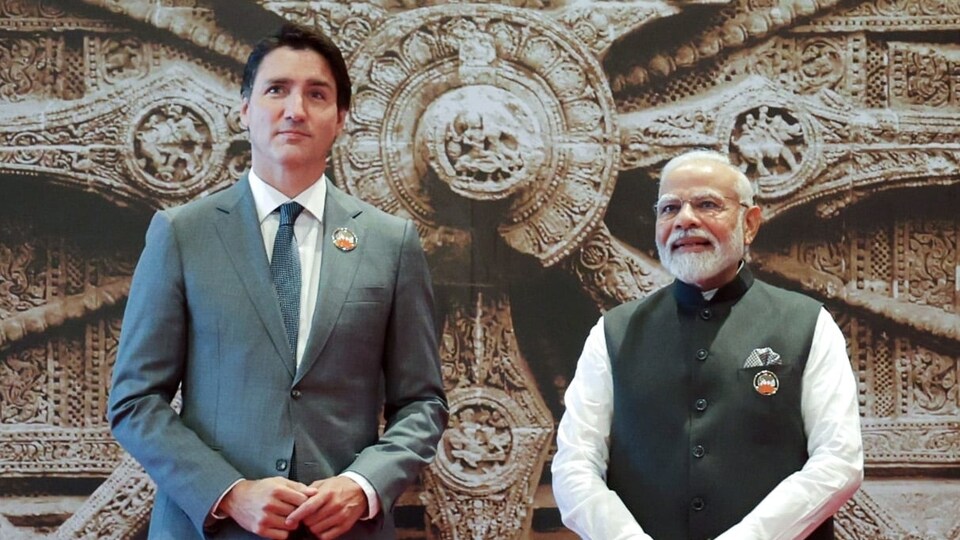
More damaging for Trudeau are suggestions from Canadian commentators and media that his recent actions are aimed at addressing criticism that his government was too slow to act against repeated Chinese interference in Canada’s elections, and over its lacklustre performance in tackling a range of domestic issues such as inflation and high interest rates. Trudeau’s approval rating is currently at its lowest point since he was elected eight years ago, with 63% of Canadians disapproving of him. There have also been suggestions that sections of his party have become overly dependent on support from pro-Khalistan elements for their electoral success, both in terms of votes and funding.
The truth is this bilateral relationship is important for both India and Canada. This has been demonstrated in different ways over the decades – Canada helped India build its second nuclear reactor and the country’s new Indo-Pacific policy points to India’s increasing strategic importance. India is Canada’s 10th largest trade partner, its fourth largest source of tourists and accounts for 40% of international students. The ball is squarely in Canada’s court as far as Trudeau’s accusation goes and the longer this issue drags on, the greater the potential for damage to bilateral ties. While Canada is well within its rights to protect the freedom of expression of its citizens, this cannot be a fig leaf for extremist activities, especially by Khalistani separatists and their gangland partners, which have had repercussions for Canada itself in the past.


