
 E-Paper



Rethink fuel prices — it is a negative stimulus
To be sure, both the Centre and the states are gaining a fiscal windfall from taxes on fuel. In the interest of a sustainable economic revival and preventing inflation and, more importantly, keeping inflation expectations from increasing further, both the Union government and the states must agree to reduce taxes.

 Prefer HTon Google


Petrol prices were increased by ₹0.20 per litre in Delhi on September 28. This rise in prices comes after a more than two months of stable or falling prices. Diesel prices have risen four times, by an aggregate of ₹0.95 per litre since September 24. This rise has come in the backdrop of Brent – the international benchmark of crude petroleum prices – reaching $80 per barrel after three years. Private analysts such as ones at Goldman Sachs expect petroleum prices to remain elevated.
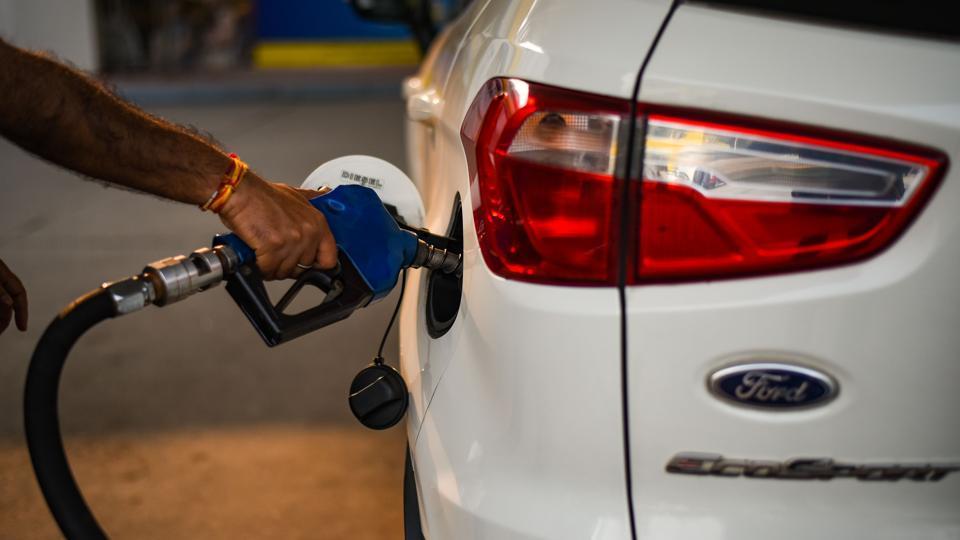
This is not good news for the Indian economy. Fuel prices are already at a record high in India. If crude prices were to rise further, oil companies are likely to raise fuel prices, and headline inflation will start rising once again. This is bound to hurt purchasing power and mass demand. It will also generate headwinds for the ongoing economic recovery.
India’s fuel inflation story is not entirely a result of external factors. Fuel prices would be much lower if the tax component were to come down to pre-pandemic levels. Higher taxes on essentials such as petrol-diesel are a negative fiscal stimulus to the economy. Recently, there have been discussions on the Centre’s fiscal situation being better than expected, with higher direct tax collections. Such claims need to be seen in the context of the fiscal buffer from what are inflation-enhancing taxes on petrol-diesel. To be sure, both the Centre and the states are gaining a fiscal windfall from taxes on fuel. In the interest of a sustainable economic revival and preventing inflation and, more importantly, keeping inflation expectations from increasing further, both the Union government and the states must agree to reduce taxes. This is exactly what the Monetary Policy Committee of Reserve Bank of India had asked them to do in August.


