
 E-Paper



Structural reforms are helping banks
There is little doubt that the positive results are the result of deep structural reforms undertaken by the government, especially efforts in cleaning up bad loans and non-performing assets (NPAs), a point underlined by finance minister Nirmala Sitharaman

 Prefer HTon Google


Over the past week, public sector banks have declared results for the June-September quarter, showing a strong performance with a total net profit of ₹25,685 crore, a 50% year-on-year rise. In the first half of the current fiscal, these banks have returned a profit of ₹40,991 crore, a 31.6% jump year-on-year, riding on strong credit growth. Among the best performers was State Bank of India, which recorded a 74% jump in net profit to ₹13,265 crore. The impressive results unleashed a sense of optimism in the sector, especially because the asset quality of these banks also continues to improve.
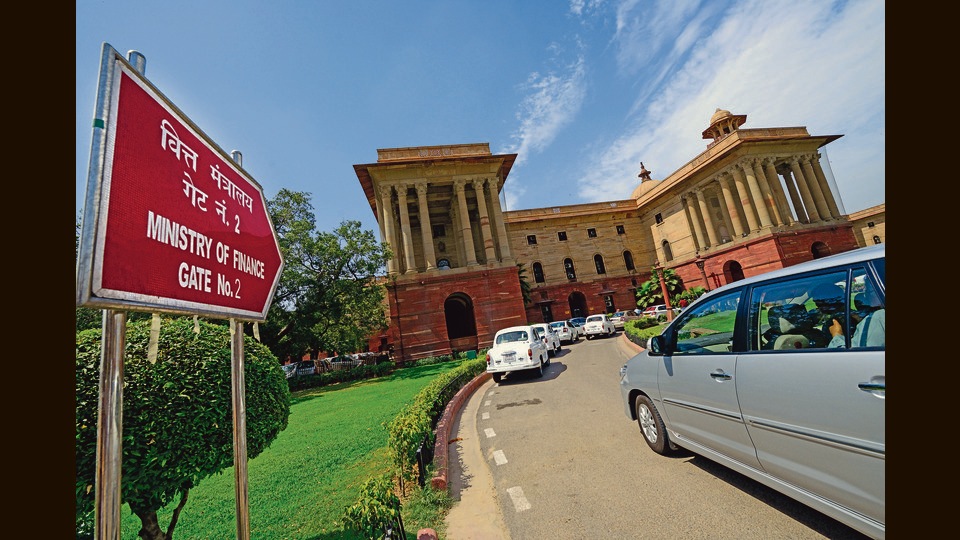
There is little doubt that the positive results are the result of deep structural reforms undertaken by the government, especially efforts in cleaning up bad loans and non-performing assets (NPAs), a point underlined by finance minister Nirmala Sitharaman. The government and the Reserve Bank of India (RBI)’s efforts to improve the health of the banking system, despite being a painful process, have borne fruit. The gross NPA ratio, which rose to unsustainable highs due to years of indiscriminate lending and inadequate oversight, fell to its lowest levels of 5.9% in March 2022, according to RBI’s financial stability report released this summer. In addition, an improvement in capital adequacy of banks and interest coverage ratio of companies (a deterioration in these two parameters precipitated the twin balance sheet crisis) augur well for the future of the economy. It now remains to be seen whether this momentum can continue, given global economic uncertainty. Continuing on the reform path will be key while maintaining a cautious watch on policy.


