
 E-Paper



The climate crisis worsens
IPCC report says climate risks are increasing. India needs a cohesive national plan now

 Prefer HTon Google


The Intergovernmental Panel on Climate Change (IPCC)’s report, Climate Change 2022: Impacts, Adaptation and Vulnerability, released on Monday, is an unvarnished account of the expanding footprint of the climate crisis on the world. Over 40% of the world’s population is “highly vulnerable”, the study finds. Mass mortality events on land and ocean; first climate-driven extinctions; loss of hundreds of local species; death and disease due to extreme heat are some of the possibly irreversible impacts of the climate crisis, the report said. The extent and magnitude of the impact are more significant than previously estimated, and the risks are becoming challenging to manage because of multiple hazards coinciding. But there is hope: If the temperature rise is kept below 1.5°C, it would reduce losses.
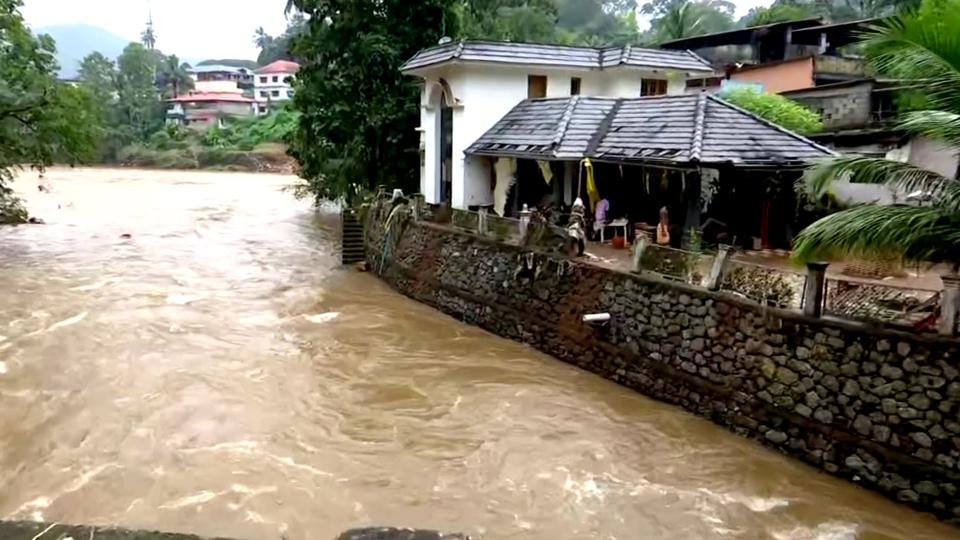
For Asia and India, the news is grim. International transboundary river basins could face severe water scarcity by 2050. Ahmedabad has a high risk from heat, and Mumbai from floods and sea-level rise. Continued warming will further damage India’s economy, particularly if emissions are not rapidly eliminated. Global warming will also impact food security and weaken soil health and ecosystem services such as pollination.
India has been facing the brunt of the climate crisis for years now. A 2021 study by the Council for Energy, Environment, and Water said that 75% of Indian districts, including 95% of coastal ones, are extreme climate-event hotspots. While India has made bold promises (net-zero by 2070, 500 GW renewable energy by 2030, and setting up a coalition for building disaster-resilient infrastructure), the latest IPCC report must push the Centre and states to increase the pace of implementation and employ a climate lens while designing large-scale projects which can affect the environment. While many states, and a few districts, have formulated climate action plans, there needs to be greater synergy among the national, state, and district action plans. To achieve this, many experts feel India needs a separate climate crisis ministry. For the West, the report is yet another stern reminder that it has failed to do its share to mitigate the crisis and meet the longstanding demands of developing countries to pay for loss and damage, increase funding for climate adaptation and the pace of green energy transition. As the report states, there is a “narrow window of opportunity” to move towards a climate-resilient future. There’s no time to lose.


