
 E-Paper



The gradual economic opening
The focus on rural economy is good; the implementation is a challenge


On Tuesday, Prime Minister Narendra Modi announced that states, districts and subregions, which fare relatively well in the battle against the coronavirus disease, will see a partial relaxation of restrictions from April 20. On Wednesday, the Centre issued a list of activities which will be permitted, and which will continue to be prohibited. The broad approach of the government is three-fold. The first focuses on rural incomes and food security. That explains the easing of restrictions in agriculture, animal husbandry, livestock farming and fisheries. Construction and infrastructure in rural areas and work under the employment guarantee scheme will also be allowed. The second focus is on supply chains, which is why it has been reiterated that transport of all goods and e-commerce operations are permitted. And finally, there is — but only a slight — openness to industrial activities, in special economic zones and select manufacturing plants.
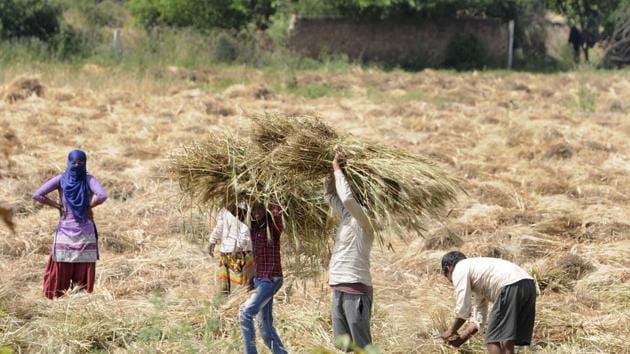
There are three challenges. One, the extent of where these activities will be allowed will be known on April 20. Two, these activities are not sufficient to restore the economic engine — but given the constraints, they are a good first step. And finally, it will be hard to implement them if local authorities don’t have a proper understanding of permitted activities. Sensitise them. This experiment of gradually opening up the economy is critical.


