
 E-Paper



The impact of LPG price hike
The hike in prices will hurt the poor, may spur inflation, and possibly generate headwinds for the economy

 Prefer HTon Google


On Wednesday, the Union government announced a hike in prices of domestic and commercial LPG cylinders. The price of the domestic cylinder, weighing 14.2 kg, has been increased by ₹50. It will now cost more than ₹1,100 in Delhi. The price of a commercial cylinder, weighing 19 kg, has been increased by ₹350. In an ideal world, changes in the prices of LPG cylinders should not make the news. The Narendra Modi government has abolished LPG subsidies, and prices are supposed to be aligned to market rates, on the same lines as petrol and diesel. However, in reality, this is not how prices behave. The latest price hike is the first in eight months and comes immediately after the completion of an election cycle. Energy prices moving in accord with election cycles is a well-established pattern and underlines the gap between de jure and de facto commitment to deregulation of energy prices.
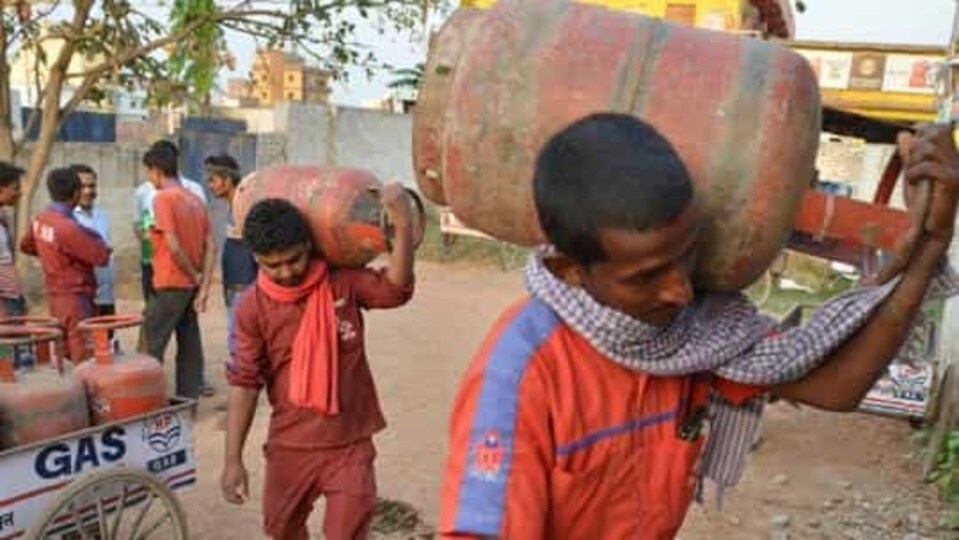
Will the latest price hike have a broader macroeconomic impact? As far as inflation is concerned, one will have to wait for the March numbers, which will be released in the second week of April. While the overall contribution to the headline inflation number might not be very large, a hike of ₹50 per cylinder over already high LPG prices is bound to hurt poor households. At a time when cereal inflation is high, this will only add to their distress and perhaps generate more tailwinds for a wage-price spiral among the blue-collared workforce. The Monetary Policy Committee (MPC) of the Reserve Bank of India (RBI), which will meet before the March inflation numbers are released, is unlikely to ignore this development. With analysts believing the February inflation print to be running above RBI’s tolerance band, an inflationary shock for an essential commodity will only add to inflationary expectations and, therefore, the hawkish sentiment around monetary policy — laying the ground for another rate hike in the April meeting of the MPC.
All this is bound to generate headwinds for the economy, which most analysts believe is losing momentum. Could the government have done things differently? While one must acknowledge the pressure on account of the fiscal consolidation commitment it has made in the budget, greater transparency in the pricing of energy products is needed to answer this question.


