
 E-Paper



The new Afghan government
The Taliban has formalised its military takeover of Afghanistan, and the de facto control it has exercised over the Afghan State since August 15, with the announcement of a new interim government

 Prefer HTon Google


The Taliban has formalised its military takeover of Afghanistan, and the de facto control it has exercised over the Afghan State since August 15, with the announcement of a new interim government. The all-male, Pashtun-dominated set-up, where the key axis of power revolves around military commanders with ties with the Pakistani Deep State, is a clear message from the Taliban to the rest of the world. The talk of an inclusive government was just that, talk; the Taliban remains exclusivist, on ethnic, gender, and, of course, religious lines; it remains committed to the politics of violence, given the seamless fusion of terror groups and designated terrorists in the formal power structure; and Pakistan’s Inter-Services Intelligence (ISI) will continue to have a substantial say — if not an outright veto — on the Afghan State’s orientation, especially with regard to internal security, intelligence, defence and foreign policy.
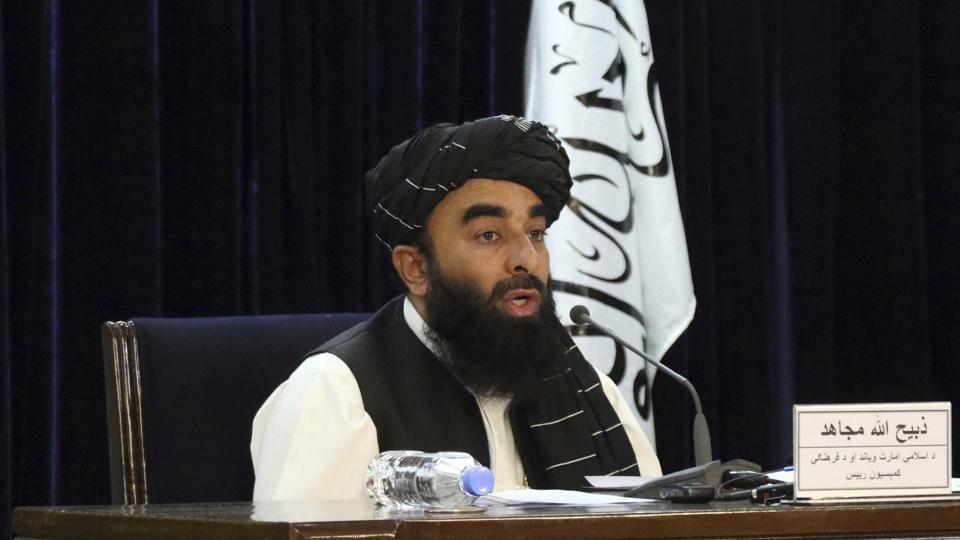
Also Read | As it forms the Afghan government, the Taliban relies on old guard, Pashtuns
Unfortunately, the world is divided. There is Pakistan, which is delighted at the turn of events, even if this is interspersed with concerns about whether Kabul will eventually assert a higher degree of autonomy than the ISI would like. There is China, which is primarily keen on ensuring that its periphery remains safe and it can use the Afghan geography for its neo-imperial projects under the garb of enhancing connectivity. There is the United States, shocked at the speed with which the arrangement it created collapsed in Kabul, but torn between seeing the Taliban as an ally in the battle against Islamic State-Khorasan and opposition to the values and possible threat the Taliban and its affiliates represent. Among regional countries, some such as Qatar and Turkey, are more willing to do business with Afghanistan. Others such as Iran retain strong channels of communication with the Taliban but remain concerned about the impact of its rule on the Shia population in the Iran-Afghanistan borderland.
Perhaps, no country has a clearer sense of the threat that the Taliban represents than India — which has dealt with Pakistan-sponsored proxies for decades. But even as it improves its intelligence and security capabilities, and works with the rest of the world to impose certain redlines on the new Kabul dispensation, New Delhi will have to, much to its dismay, establish a modicum of relations with a government that it knows is inherently hostile to Indian interests — a strange burden, even a cross, that major powers have to bear vis-à-vis regimes in their neighbourhood.


