
 E-Paper



The new rules of engaging with US
The Canada case study shows that the trust based engagement with the US that made it the central axis of the post Cold War order is over now

 Prefer HTon Google


The breakdown of trade talks between the US and Canada has generated reactions that, once again, underline the drastic change in how countries, including some of its biggest, oldest, and closest allies now see the US.
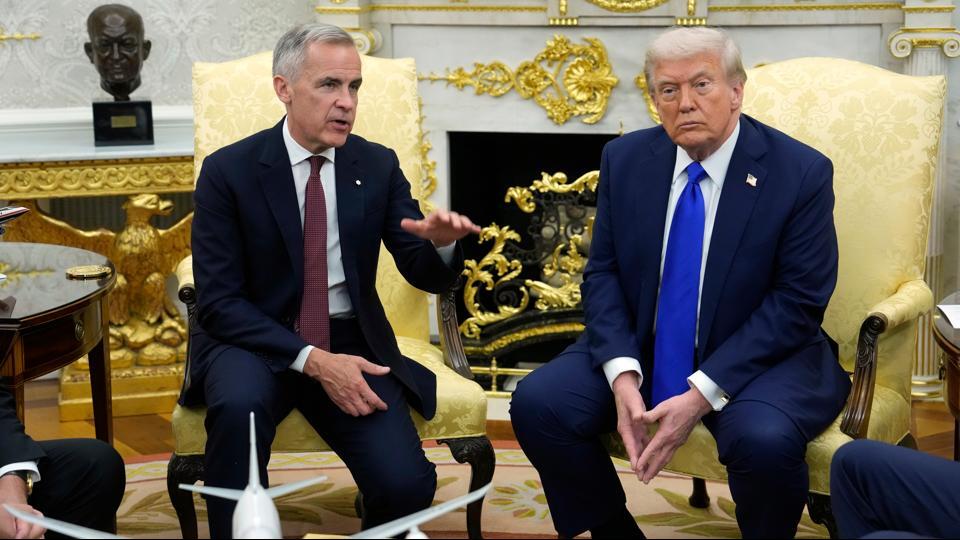
“It’s a power play,” and it “becomes a question of sovereignty,” is how Canadian Prime Minister Mark Carney described the events, the Wall Street Journal reported. To be sure, the details of the talks suggest they didn’t break down because the US insisted that Canada become its 51st state, as President Donald Trump often claims. The meltdown seems to have happened because of debates over sectoral tariffs and the US insisting on some sort of influence over how Canada conducted its trade negotiations with other countries. The other problem, as per reports, seems to be different parts of the US government taking varying positions in the negotiations.
The devil, however, does not lie in the details. It lies in what is now becoming a pattern in cross country dealings with the US under Trump. Deals are not done or negotiated in good faith but in an uncertain environment hostage to US concerns that disregard multilateral cooperation or mutual gains.
To be sure, the US is still the largest economy in the world and still means a lot for other countries in terms of economic engagement. This will ensure that it will not become economically isolated.
However, a difference must be made between the need to engage and the need to engage with trust in bilateral dealings with the US. The latter was what made the US the central axis of global economic and strategic order since the Cold War. That trust has been significantly weakened in the past two years, and it will have repercussions that will outlast the current administration in the US.
India is one of the most important economies feeling this dynamic. Many of the Trump administration’s hostile moves on trade and immigration, such as H1B visas, the OPT programme, and threatening tariffs on Russian oil imports, etc., have ended up making India a big target. Trade talks with the US are still going on, with little clarity on what’s brewing, though both sides have said a deal is near.
Working for the best and preparing for the worst can be the only philosophy while dealing with the US today — and the Canada case study only illustrates that tenet.


