
 E-Paper



What the conversion row says about politics
On October 5, when some groups organised a mass conversion event in Delhi’s Ambedkar Bhavan, the presence of Aam Aadmi Party leader Rajendra Pal Gautam stoked a row with the Opposition BJP.

 Prefer HTon Google


On October 14, 1956, Indian constitutionalist BR Ambedkar led about 350,000 of his followers to convert from Hinduism to Navayana Buddhism in Nagpur. In embracing the new faith, Dr Ambedkar was hoping to achieve his mission of annihilation of caste after having come to the conclusion in his later years that this could be done only outside the folds of Hinduism. In taking oath, he read out 22 vows and asked his disciples to follow them. These 22 vows, and Dr Ambedkar’s call to leave Hinduism, are at the centre of a controversy roiling the Capital. On October 5 (Dussehra or Ashok Vijaya Dashami), some groups organised a mass conversion event in Delhi’s Ambedkar Bhavan where hundreds of people adopted Buddhism. But the presence of Aam Aadmi Party leader Rajendra Pal Gautam stoked a row with the Opposition Bharatiya Janata Party accusing him of hurting religious sentiments. Mr Gautam has since resigned after his party appeared unhappy with him and he is set to be questioned by the Delhi Police.
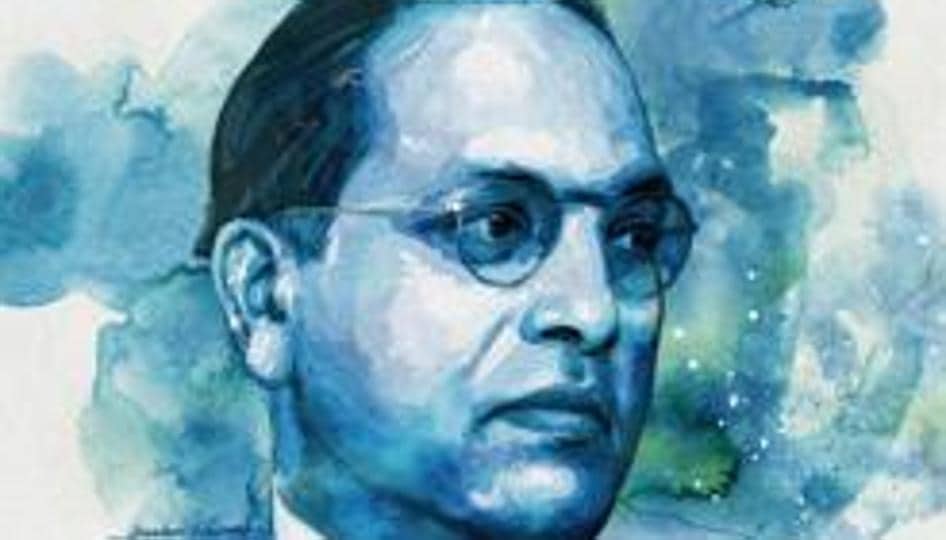
In recent decades, many political parties have made a play for Dr Ambedkar’s legacy, motivated by his large following among marginalised castes and his potent symbolism continuing to animate Dalit politics. And yet, as the recent episode demonstrates, political parties of all ideological shades struggle with various aspects of his life that sit uncomfortably with their politically expedient goals. This is a pity because Dr Ambedkar’s work holds relevance for the Indian State and society, which will benefit by taking a fuller view of his fiercely rationalist legacy. This is also a marker of the state of political discourse today where icons from yesteryears are invoked regularly but only for narrow, time-bound, electoral aims.


