
 E-Paper



When students can’t study
The lack of digital access is closely linked with structural issues of regional disparity, class divide, caste, and gender. It will also deepen these divisions

 Prefer HTon Google


Nearly 78% of schools in India don’t have internet facilities, and more than 61% do not have computers, the latest Unified District Information System for Education (UDISE+) data, released by the Centre for 2019-20 shows. UDISE covers more than 1.5 million schools (government and private), 8.5 million teachers, and 250 million children. The digital divide (the unavailability of internet, computers, mobile phones and quality digital educational content in Indian languages) has been starkly evident with schools closed due to Covid-19. Only one-third of students could pursue online education, and only 32.5% are doing live online classes, according to the Annual Status of Education Report released in October 2020.
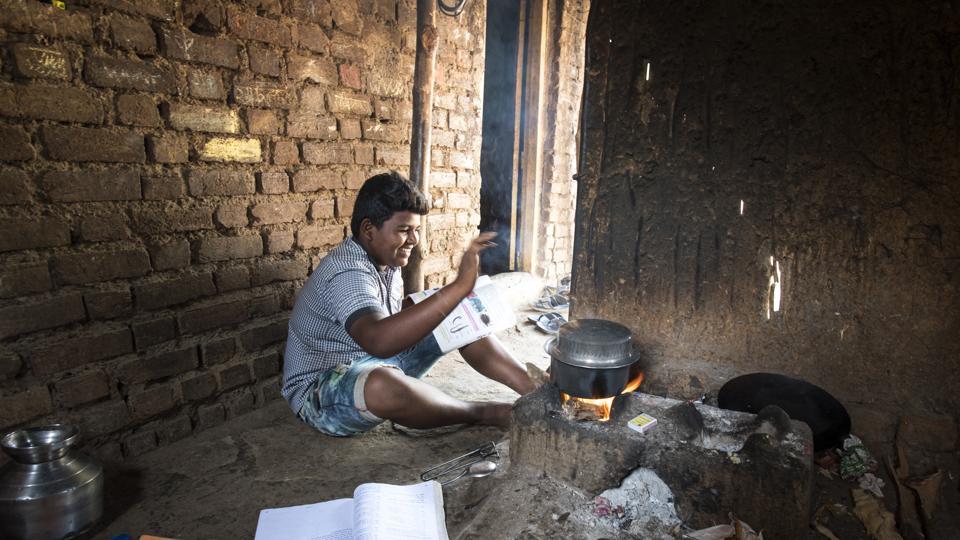
The lack of digital access is closely linked with structural issues of regional disparity (students in rural areas and in states with a weaker governance history have been affected disproportionately), class divide (students from poor households are most affected), caste (all those belonging to upper caste communities don’t have equal access to education, but Dalits and backward communities have even lesser access), and gender (again, it isn’t as if all boys have access, but girls have lesser access). All of this means that the current digital divide is not just a reflection of existing inequalities, but will contribute to deepening inequality in the future.
Also Read | In defence of freedom
To be sure, the government has sought to bridge the digital gap. In August 2020, Prime Minister Narendra Modi promised to connect over 600,000 villages with an optical fibre network in 1,000 days. The government has also been updating its e-learning platforms with content and QR-coded textbooks for multiple languages, classes, and states. The new National Education Policy 2020 has proposed to set up a new autonomous body to oversee the development of e-content and provide a platform for all stakeholders to share best practices leveraging technology. While these steps are welcome, broadening the digital footprint will take time and resources. To meet immediate learning needs, the State must opt for a blended (offline and online) approach, involving communities, parents and volunteers; provide funds for innovative schooling methods; expand the use of the public sector broadcasting to close the learning gap; and even consider giving, as Janmejaya Sinha suggested in these pages, a smart mini-device to all students to help them overcome the learning deficit. The life and future of an entire generation are at stake.


