E-Paper



Building India's robotics future starts in the classroom
The article highlights why hands-on, multidisciplinary robotics education must begin in schools and expand beyond metros to build talent pipeline for the future

 Prefer HTon Google


India's aspirations in the field of robotics are on the rise. Industry is getting smarter, warehouses are increasingly automated and intelligent machines are being deployed in healthcare, agriculture and infrastructure. Behind this momentum is policy support, investment in new manufacturing technologies, and an increased demand for automation in industries.
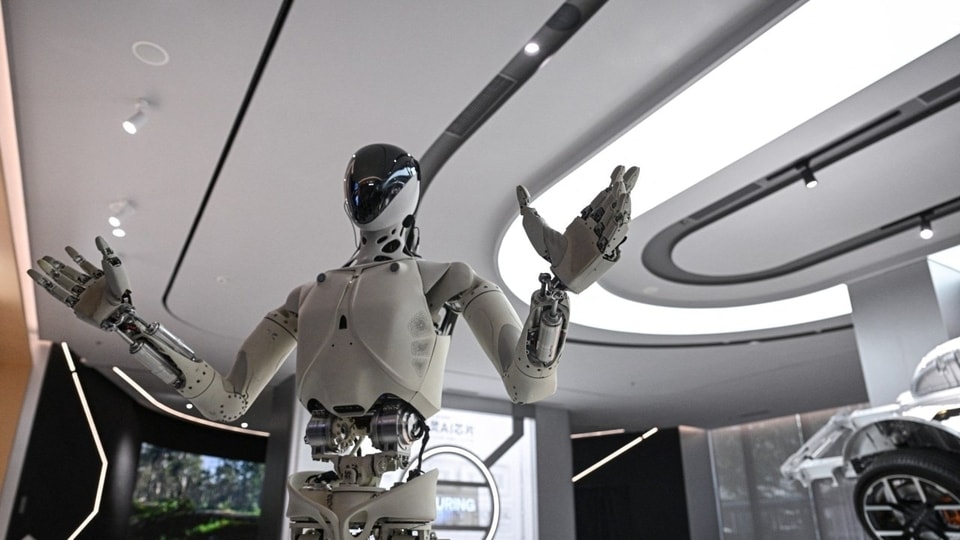
Amid the increasing demands, one of the biggest challenges that gets overlooked is the development of the human resources required to create these technologies.
From Craft to Code: Apollo Tyres MD shares what India’s next-gen engineers need to learn
Robotics is often seen as an engineering discipline. In practice, it is much broader. It takes mechanical, electronic, software and artificial intelligence knowledge to design an intelligent system. Equally vital is the capacity to ask questions, test their concepts, find out what went wrong and how to make it better. These are not skills acquired in a single university course or during an internship. They develop over years of learning by doing. That's why robotics education should be introduced earlier in a student's education.
India is already taking steps in this direction. The National Education Policy (NEP) 2020 emphasizes experiential learning and multidisciplinary approach, urging students to use knowledge rather than memorize it. This shift has been further strengthened by the Atal Innovation Mission, which has connected with more than 1.1 crore students in hands-on STEM learning and innovation through the creation of Atal Tinkering Labs, as reported by the Press Information Bureau until 2025. It is not enough to introduce new technologies to schools, it is to cultivate curiosity and encourage students to solve problems through experimentation.
Kota medical student receives ACP’s Researcher of the Year Award
Assembling robots is not the only measure of robotics education. Its real value lies in the way students learn to think. They are taught to troubleshoot and adapt if an idea doesn't work, and to understand how technologies work together in a classroom project. The experiences develop confidence as well as technical ability. They also prepare students for careers that extend well beyond robotics.
These skills are becoming increasingly in demand. Analytical thinking, AI, technological literacy and systems thinking are among the top-growing skills in today's global workforce, according to the World Economic Forum's Future of Jobs Report 2025. In the field of robotics, these disciplines are combined in hands-on experience, helping to prepare students for industries that are increasingly digital and automated.
Engineer’s Day: Why India’s AI, semiconductor push demands new-age engineers- VIT Bhopal VC explains
There is another reason this conversation is important. India's robotics talent cannot be limited to the few schools that are in the metros or engineering institutions. The innovation potential of this country is distributed in Tier II and Tier III cities, Government schools and emerging educational hubs. The geographical accessibility of robotics education, quality teachers and opportunities for students to create real projects should not be a barrier. This will bolster the talent pipeline and promote innovation in a more inclusive way.
Industry has an equally important responsibility. Businesses often highlight the gap between academic learning and workplace expectations. Closing that gap requires sustained collaboration with educational institutions. Students are exposed to curriculum development, industry-led projects and internships that present real-life challenges that are not found in textbooks. These collaborations also allow educators to stay current with the rapidly changing technologies.
The conversation should not stop with infrastructure. A robotics lab creates value only when students are encouraged to experiment, question assumptions and learn from failure. The need to equip schools with technology is crucial. It is also essential that teachers be equipped to use it effectively.
India has charted for advanced manufacturing and intelligent automation. Achieving them will depend on more than investment in technology. It will rely on talent investment.
Young people who can build, improve and reimagine technology will help shape the country's future in robotics. That mindset does not begin in the workplace. It starts in the classroom.
(This article is written by Suvayan Nandi, Deputy General Manager, CEO Office - Addverb)