
 E-Paper



From Chalkboards to ChatGPT: How teachers are adapting to a hybrid learning era?
This coming together of physical classrooms & digital platforms presents exciting opportunities, even as this transformation brings forth formidable challenges.

 Prefer HTon Google


The rise of hybrid learning presents many exciting opportunities, even as the challenges necessitate collaboration between stakeholders in the education ecosystem.
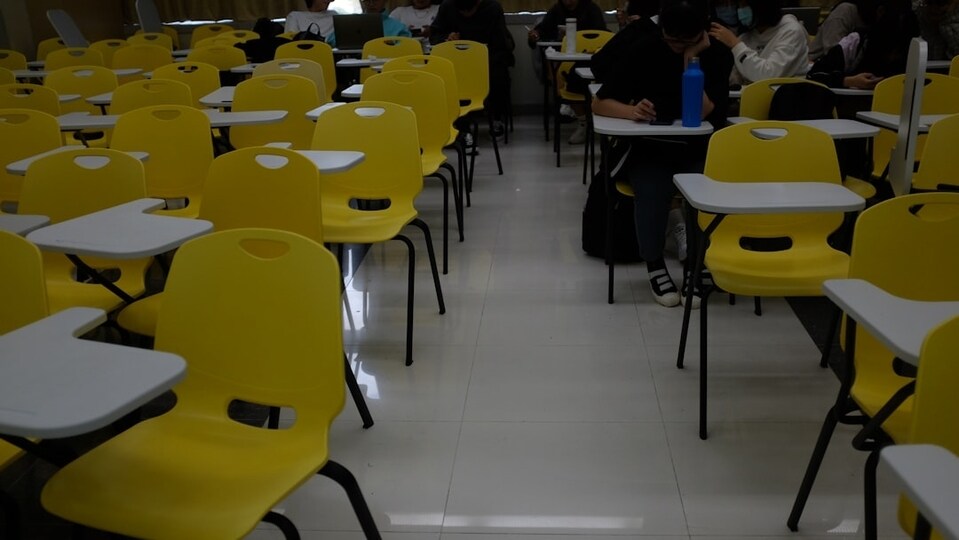
Education has always evolved with time. The primary shaping factors leading this evolution remain the changing needs of society as well as the availability of technology tools. Today’s scenario is no different, with the entire learning process undergoing a massive transformation. From the chalkboards to computers and now smartboards, the present classrooms have come of age with hybrid learning taking the driving seat. This coming together of physical classrooms and digital platforms presents exciting opportunities, even as this transformation brings forth formidable challenges. With over 1.5 billion students shifted to hybrid learning during the pandemic, teachers have a challenging task of delivering knowledge through a mix of traditional methods and innovative technologies.
Role of Teachers: Shifting Dynamics
For decades, teachers remained the primary source of delivering knowledge. Using the humble means of chalk, duster, and blackboards, they facilitated the learning of millions of students. Things today, however, stand in stark contrast. The report of the World Bank states that over 60% of students today use online platforms for their studies. This led to the decisive shift in the role of teachers. Instead of “Delivering Knowledge”, teachers today are actively playing the role of “Knowledge Facilitators”. They are more involved in helping students “Comprehend” and “Analyse” rather than pushing them in “Cramming” and “Mugging up” the contents. McKinsey has also captured this “Role Reversal” in its study, wherein 74% teachers considered themselves as “Learning Coaches” in hybrid learning environments.
Hybrid Learning: Blending Digital with Physical
The essence of hybrid learning lies in “Striking the Balance”. By blending Physical Classrooms with Digital Platforms, a hybrid approach creates a “Phygital Environment” which offers the best of both worlds to learners. Hybrid learning gels “social interactions” of physical classes with “personalisations” of the digital environments, thereby creating an ideal environment for learning. For example, a history teacher can lead discussions through digital touring of museums in the class. Science educators can also mix hands-on experiments with virtual simulations to deliver a better learning experience. No wonder 82% of students today prefer hybrid learning, as per the EDUCAUSE study.
Human Element: A Key Differentiator in Hybrid Learning
Technology enhances access to education, but it can’t be a substitute for the human element. Gallup surveyed students and found that 70% value personal feedback from teachers than digital tools. Teachers are also mindful of their roles and, through virtual hours, peer discussions, or personalised feedback, they are catalysing their bond with learners. Educators are also prioritising the emotional well-being of students, which is significant in the wake of UNICEF reporting over 40% of students experiencing anxiety during extended online learning.
Professional Development: Key to Excel in Hybrid Learning
Adapting to hybrid learning requires teachers to embrace the path of Continuous Professional Development. 76% of teachers worldwide participate in digital pedagogy courses, as per the OECD research. Microsoft Educator Community have millions of active members who regularly share hybrid learning strategies. This constant engagement with the professional growth initiatives is well appreciated by leadership teams at educational institutions. Sample the LinkedIn 2023 Workplace Learning Report, which revealed that 85% of school leaders ranked “Continuous Development” as the top trait in teacher recruitment.
Challenges Ahead: Multiple Roadblocks to Address
The road to hybrid learning is challenging. UNESCO highlights the lack of internet in low-income nations, which deprives 37% of students from hybrid learning. This digital inequality that teachers must strive to bridge. The fairness of the submissions made by students is also a thorny issue. Turnitin reported a 146% increase in AI-generated submissions by students in 2023. The enhanced workload of teachers owing to hybrid platforms is also a cause of concern. The survey conducted by RAND Corporation found that 80% of teachers feel overburdened because of the integration of hybrid learning.
Looking Ahead: Future Roadmap
The hybrid learning is not a transient phase that will wean over time. Rather, it’s the future of education that will stay around for years. The projected growth in the EdTech category, which is projected to speed past $400 billion by 2030 (Global Market Insights), testifies to the potential of hybrid learning projects. Teachers are embracing the hybrid approach by blending chalkboard wisdom with AI-powered innovation. By embracing both structure and flexibility, hybrid learning is preparing students not just for exams, but for aptly handling the challenges of the 21st century.
(This article is written by Kalpesh Banker, Managing Partner at EduShine Search Partner)


