
 E-Paper



Cause and Effect | Why 2023 is a cautionary tale of the worsening climate crisis
The struggle between commitments and real-world actions poses challenges for addressing climate change

 Prefer HTon Google


2023 was evidence of what the climate crisis could unleash on humanity if the rising temperatures are left to spiral out of control.
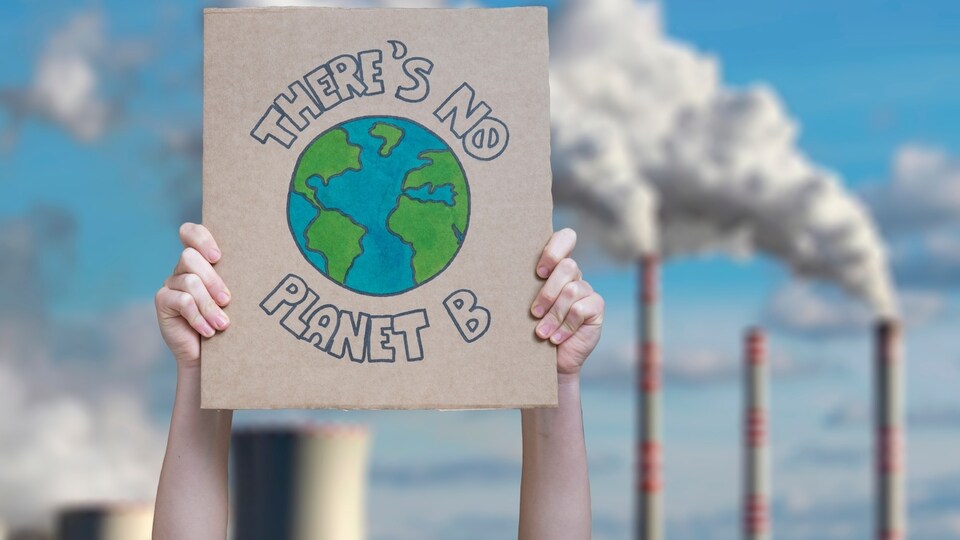
There were extreme weather events in almost every country, millions of dollars' worth of economic losses, thousands of lives lost, temperature records were broken, some of the largest chunks of ice started floating in the ocean and the now omnipresent threat of new diseases — this is a roundup of the year that was.
For the year ahead, there are a few things to look out for; both good and bad.
First, the bad
Weather agencies announced the onset of an El Niño in the summer of 2023, bringing to the world the double impacts of global warming and the unusual warming of the Pacific.
Typically, an El Niño peaks in winter, around December, and can affect weather significantly as the “warmer waters cause the Pacific jet stream to move south of its neutral position”, according to the US National Oceanic and Atmospheric Administration (NOAA).
But, the real impact of this natural weather phenomenon will only be known in 2024.
“It is worth noting that this [high temperatures in 2023] is happening before we see the full warming impact of the El Niño event, which typically plays out in the second year after it develops,” WMO’s secretary-general Petteri Taalas said after the hottest summer last year.
The last El Niño coincided with the all-time high temperatures in 2016. It was followed by a prolonged three-year run of La Niña — associated with cooler weather globally on an average and excess rainfall — and yet, the last eight years were the warmest ever recorded, providing a testament to how potent greenhouse gases alone have become in raising the global temperature.
The long wait for emissions cuts
Countries at COP28 agreed to transition away from fossil fuels by 2030. While this is the first time such a consensus was reached, it may have come a bit too late. The temperatures have already breached, only if temporarily, the 1.5°C threshold for several months in 2023.
The latest UN Environment Programme report revealed that global greenhouse gas emissions increased by 1.2% from 2021 to 2022 to reach a new record of 57.4 gigatons of carbon dioxide equivalent, instead of efforts to reach at least 43% reduction by 2030 and at least 60% by 2035.
Following the Dubai agreement, even COP28 president Sultan al-Jaber, the key negotiator for the deal, showed no indication of reducing production at UAE’s national oil firm, ADNOC. In an interview with The Guardian, Jaber said, “The world continues to need low-carbon oil and gas and low-cost oil and gas." He stated that ADNOC’s fuels are “low carbon” due to more efficient extraction methods.
A review of climate targets
Under the 2015 Paris Agreement, countries are expected to set climate targets every five years, with the next due in 2025. To initiate action on the decisions taken at COP28, governments will start to prepare their next round of NDCs this year.
COP28 calls for the UN to host a series of global and regional workshops and capacity-building sessions to help them. In 2025, the UN Secretary-General will hold a special event for countries to submit their new commitments, the World Resources Institute wrote on December 17.
Relatedly, negotiators agreed that the COP28, COP29 and COP30 presidencies will collaborate on a “Road map to Mission 1.5”, which is meant to enhance international cooperation over the next two years to secure more ambitious NDCs and deliver the finance necessary to incentivise action.
Separately, activists will closely watch the mobilisation of funds for developing countries to help make the transition to cleaner energy possible. A key component of this will be the Loss and Damage Fund, which was institutionalized at COP28 with the World Bank appointed as the interim coordinator.
“The soon-to-be-constituted Board of the Loss and Damage Fund needs to ensure that the fund’s policies are fit for purpose, responsive to needs, and mobilize resources at scale... Institutional arrangements need to be in place by COP29 so the fund can start delivering finance to projects,” WRI said.
And with the possibility of a change in leadership in nearly 40 countries, which together account for 41% of the world’s population, the possibility of change in climate policy also looms large.
Hope from climate litigation
"Litigation is becoming a powerful tool for driving climate action and justice," the UNEP said in a post on X on July 27, along with the release of its ‘Global Climate Litigation Report: 2023 Status Review’.
The report highlighted that the number of climate change court cases globally has more than doubled since 2017.
In its year-end assessment, Columbia University's Sabin Center for Climate Change Law said at least 183 new cases were filed globally in 2023. This translates to a minimum of three cases challenging climate inaction being filed every week globally in 2023, it noted.
The review came in a year when 16 young citizens in the US state of Montana sued the government for its policies allegedly violating their constitutional right to “a clean and healthful environment”, and emerged victorious in a landmark verdict.
While the climate crisis is here, there is still scope for change to if not reverse, at least arrest its impacts.


