
 E-Paper



Covid-19 and the future of keeping fit
You can’t go swimming, gyms are still shut. You can walk, run, play non-contact sports, but even there, there are new dos and don’ts to follow.


As our lives shrink inwards, even those who didn’t work out at all, will feel the need to start. So here goes – a fitness drill for life amid the Covid-19 pandemic.
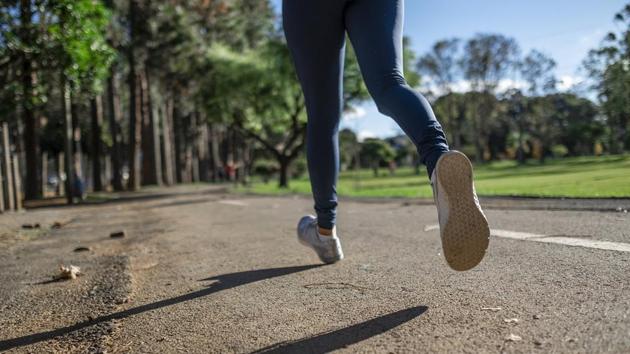
FITNESS AMID THE PANDEMIC
Fitness has become both more of a concern and more of a necessity. We’re moving a lot less than before the lockdown — doing fewer steps, spending less time on our feet.
“We’re worrying about fitness more too, as we see comorbidities alter survival chances of those with the novel coronavirus, becoming more aware of the need for exercise and are taking it more seriously,” says Dr Parul Tank, consultant psychiatrist and therapist at Fortis, Mumbai. Suddenly, it’s not a question of ‘oh, I should try and live healthier’. It’s an actual urgent imperative.
“The fitness of the urban middle class has been affected by the lockdown, since they were not able to go to parks or hit the gym. They also ate more while they stayed indoors for months,” says Dr BM Jha, head of physiotherapy at the Fortis Memorial Research Institute in Gurugram.
THE CHALLENGES
You certainly must get moving, because lockdown-like conditions could continue for months longer. But do it right; start simple and stay safe.
If you decide to exercise outdoors, you must
- Avoid working out in large groups
- Keep your face mask on at all times
- Keep a safe 2 metre distance from others working out, more if you are walking or jogging in the same area
- Keep an eye out for anyone coughing around you. Move further away if someone is coughing, because as you work out, you tend to draw in more oxygen and that raises your risk of contagion
- Follow your usual decontamination process each time you return home. You will be tempted to ease up on this as time goes by, and your workouts increase; don’t.
INDOORS VS OUTDOORS
- Exercising outdoors means you get some fresh air, sunlight and a change of scene — all of which are vital amid the lockdown.
- “Exercising with a mask on will likely be more uncomfortable the more intense your routine, so stick to aerobics or a simple cardiovascular workout like a run,” says fitness consultant Chhabra. “A lot of the risk and discomfort can be avoided if you work out indoors. You don’t have to wear a mask, you don’t have to worry about touching surfaces and family members can join in.”
WHY YOU MUST WORK OUT
Lack of exercise can impair your immune system, affect physical health and aggravate existing disease.
It can hasten the onset of lifestyle conditions such as diabetes, obesity and cardiovascular disease — the incidence of which was growing as a result of sedentary lifestyles and poor diets, even before the lockdown.
Regular exercise, meanwhile, can strengthen everything from your lungs to immune and digestive systems, get the endorphins flowing and improve your mood, boost circulation and heart health.
TO KEEP MOTIVATED
- Start an exercise journal — it can be an Instagram account or an old-school diary. Write about your workout, how it made you feel. Things you saw or felt. Goals you’re setting for yourself or achieving.
- You will be tempted to accessorise — clothes, shoes, gym gear. Take it easy. Don’t buy too much too soon. Start with a yoga mat or dumbbells, wait at least four months before you commit to something like an exercise bike.
- Sales of home fitness equipment are registering a rise, but that only means it’s a few months before regret sets in for many buyers.
PICK A GOOD VIRTUAL TRAINER
- As more people exercise by themselves, the virtual fitness industry is likely to see growth. So far, most tutorials are free, but that is likely to change as gyms are forced to revise their business models.
- You can also expect to see tie-ups between gym chains, fitness apps and even wearable devices as the industry consolidates.
- In the absence of the kind of companionship offered by real-world gyms, you will likely see virtual offerings of workout plans for those with varying needs — those with kids, or with no home equipment, people strength training on a staircase, or looking to workout with the whole family.
- “If you’re new to working out or have been training under supervision in the past, this is not the time to start intense exercise,” says Chhabra. “It’s best to avoid movements that need spotting from a trainer – such as squats, pull-ups, shoulder presses, deadlifts – which may lead to injury. Instead, stick to bodyweight exercises that you can easily manage with a little virtual assistance.”
- As with all exercise anywhere, listen to your body. Stop if there is pain; and watch out for headaches and fatigue, because these are signs that you’re overdoing it.
THE RECOMMENDED DOSE
For adults, a healthy dose of exercise is about 300 minutes per week (or 45 minutes per day) of moderately intense exercise — the kind that gets the heart racing and boosts circulation.
A bare minimum is 150 minutes of moderate physical activity weekly (about 20 minutes a day). Or one 75-minute high-intensity workout per week.
For seniors, some physical activity at least three days a week, depending on fitness and mobility levels. Exercises in this age group is particularly helpful in maintaining muscle strength, keeping joints healthy and boosting circulation for the heart and other organ systems.
Children must get at least 60 minutes of moderate to vigorous exercise per day.

Catch your daily dose of Fashion, Taylor Swift, Health, Festivals, Travel, Relationship, Recipe and all the other Latest Lifestyle News on Hindustan Times Website and APPs.


