
 E-Paper



Mothers, take note! Cow’s milk may cause allergies in babies younger than 12 months


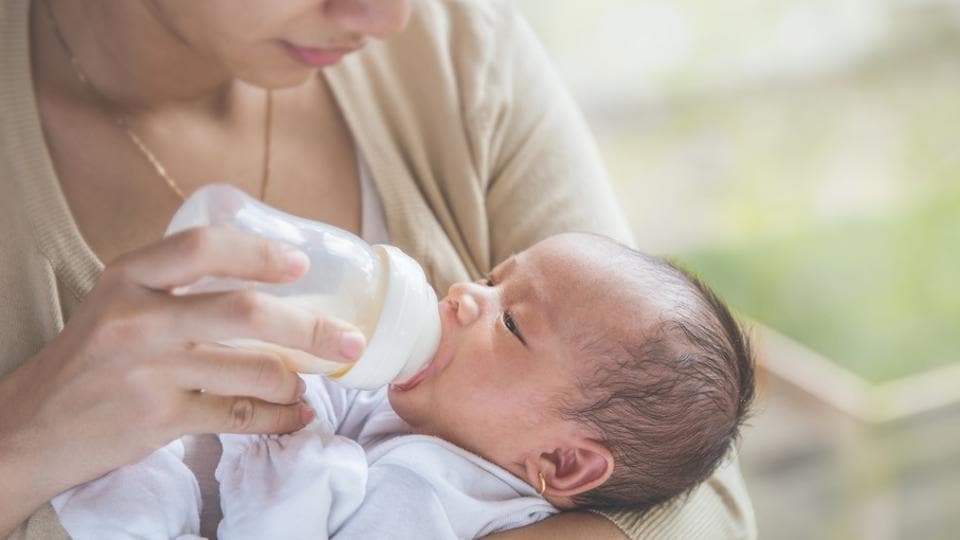
Doctors say giving cow’s milk to a baby younger than a year may put a strain on the child’s immature kidney and is also difficult to digest.
Feeding cow’s milk to toddlers below the age of one year is a growing factor for allergic diseases, including those in the respiratory and digestive system. Doctors say babies may not be able to tolerate the protein in the milk.
Infants who do not get breast milk need an alternate form of nutrition to maintain their health. Experts say if cow’s milk is fed at such an early age then the low concentration of iron and its consumption during infancy may cause anaemia.
“Though cow’s milk is associated to our culture for ages, it should not be given to toddlers below one year... It may put a strain on the infant’s immature kidney and is also difficult to digest,” said Dr Nandan Joshi, head of nutrition and medical affairs at Danone India.
While older infants can be fed complementary food, younger ones need a special hydrolysed and amino acid-based formula which does not cause allergy.

As per the National Family Health Survey (NFHS), only 40% children are timely introduced to complementary foods, while only 10% of children between six to 23 months receive adequate diets. Infants are commonly fed cow’s milk in India due to low awareness, especially in rural areas.
As per the Rapid Survey on Children (RSOC), 42% of non-breastfed infants below one year received cow’s milk or any other milk. “Allergic diseases are on the rise worldwide. The incidents are more in developed countries though it is on the rise in India as well. Milk allergy is the most common allergy in children,” said Dr Lalit Bharadia, consultant paediatric gastroenterologist at Jaipur’s Santokba Durlabhji Memorial Hospital.
“Around 3% of children can’t tolerate milk protein in animal milk. Milk allergic infants, who do not get breast milk, need an alternate form of nutrition to maintain their health,” he added.
Allergies are caused by the proteins in cow’s milk, which trigger an adverse reaction in the immune system. The symptoms vary and may affect several organs such as skin, digestive or the respiratory tract, resulting in skin rash, eczema, vomiting, diarrhoea, colic, wheezing or excessive crying.
In a study conducted at a tertiary-care hospital in India, three out of 10 children with chronic diarrhoea were estimated to be suffering from cow’s milk allergy. Globally, the prevalence rate of cow’s milk allergy is approximately 3 to 5%.
Catch your daily dose of Fashion, Taylor Swift, Health, Festivals, Travel, Relationship, Recipe and all the other Latest Lifestyle News on Hindustan Times Website and APPs.


