
 E-Paper



Soon, prosthetic limbs shall start taking feedback from the human body
The technique, called human-in-the-loop optimisation, customises walking assistance for individuals and significantly improves energy economy during walking.


Scientists have developed a novel design approach for exoskeletons and prosthetic limbs that incorporates direct feedback from the human body. The approach will dramatically improve energy economy, speed and balance for millions of people, especially those with disabilities, researchers said.
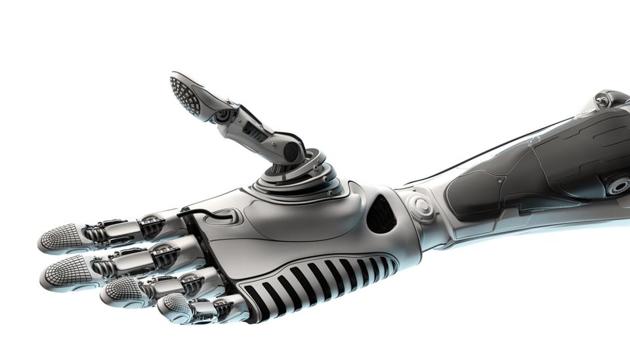
The algorithm that enables this optimisation represents a landmark achievement in the field of biomechatronics - study of biology, mechanics, electronics and control. “Existing exoskeleton devices, despite their potential, have not improved walking performance as much as we think they should,” said Steven Collins, a professor at Carnegie Mellon University in the US. “We have seen improvements related to computing, hardware, and sensors, but the biggest challenge has remained the human element - we just have not been able to guess how they will respond to new devices,” said Collins.
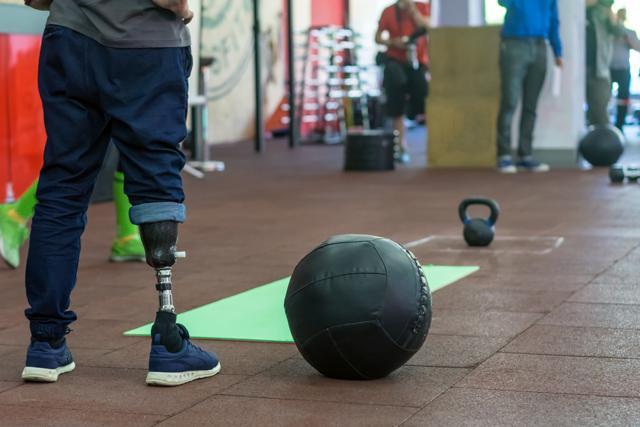
The software algorithm is combined with versatile emulator hardware that automatically identifies optimal assistance strategies for individuals. During experiments, each user received a unique pattern of assistance from an exoskeleton worn on one ankle. The algorithm tested their responses to 32 different patterns over the course of an hour, making adjustments based on measurements of their energy use with each pattern.
The optimised assistance pattern produced larger benefits than any exoskeleton to date, including devices acting at all joints on both legs. “When we walk, we naturally optimise coordination patterns for energy efficiency. Human-in-the-loop optimisation acts in a similar way to optimise the assistance provided by wearable devices,” said Collins. “We are really excited about this approach because we think it will dramatically improve energy economy, speed, and balance for millions of people, especially those with disabilities,” he added. The findings were published this week in Science.
Follow @htlifeandstyle for more
Catch your daily dose of Fashion, Taylor Swift, Health, Festivals, Travel, Relationship, Recipe and all the other Latest Lifestyle News on Hindustan Times Website and APPs.


