
 E-Paper



Radhika Gupta on Why Financial Freedom Is a State of Mind
Why Radhika Gupta believes true wealth lies in calm, consistency, and clarity—not in chasing market highs.

 Prefer HTon Google


Radhika Gupta—MD & CEO, Edelweiss Mutual Fund—breaks down financial freedom without the hype: start early, build a safety net, get asset allocation right, and remember that sometimes the smartest move in dynamic markets is to do nothing.
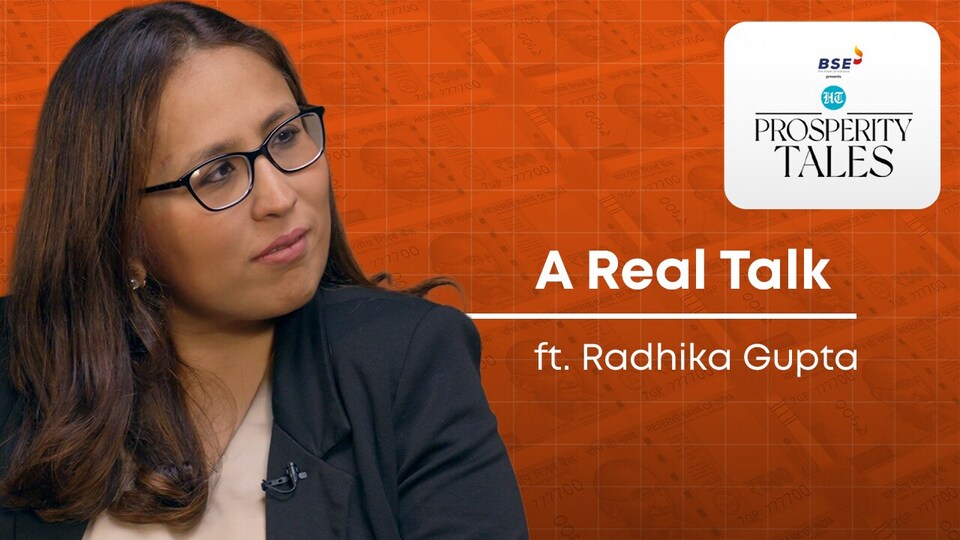
Financial freedom isn’t a single number on a spreadsheet; it’s the absence of money anxiety. That’s how Radhika Gupta frames it in this wide-ranging conversation on Prosperity Tales. “Having enough money so that you can live and work without money being a big source of worry—then you’re free,” she says. But she’s quick to add that it’s deeply personal: what feels like “enough” keeps shifting as lifestyles expand. Freedom, therefore, is as much a mindset as it is math.
“I’m Financially Free—but I don’t want to Retire Early,”
Gupta says she feels financially secure today, but the popular “retire early” version of FIRE doesn’t appeal to her. The reason is simple: fulfillment. “I don’t know what I would do with retire,” she smiles, arguing that purpose and work can coexist with freedom. The point of money, in her telling, is not escape; it’s optionality.
Beyond Money: Confidence and the Comparison Trap.
Asked what feeds a genuine sense of well-being, Gupta places mindset first. Confidence in your choices—and especially freedom from comparison—creates the most headroom. “There’s no sense of ‘enough’ if you’re benchmarking your life to everyone else’s,” she notes. Letting go of that habit is a powerful unlock.
Start Early, Be Consistent
If she could send a note back to her younger self, Gupta says it would be a short one: start early, keep at it, and follow a plan that fits your life. Consistency beats intensity. She also offers a candid look at her own missteps: skipping a contingency fund, underallocating to SIPs at times, and leaning too hard into equity when she was younger. The takeaway is practical—build a safety net first, automate what you can, and balance risk.
Compounding Needs Time, Not Theatrics
Gupta’s stance on compounding is refreshingly straightforward: the most important inputs are time and discipline. “Good businesses are the work of a lifetime,” she says, and good portfolios need time too because portfolios are just baskets of businesses. Patience isn’t passive; it’s a decision to let compounding work uninterrupted.
“Dal-chawal” Investing and the Case for Asset Allocation.
In evolving markets, her advice is disarmingly simple. First, protect your risk budget through asset allocation—don’t let your entire portfolio tilt to the riskiest end. Second, resist the urge to “do something” just because screens are flashing green.
A practical playbook for young investors.
For first-time earners and early careers, Gupta’s framework is clear:
- Build an emergency fund before you chase higher returns.
- Automate SIPs to make consistency effortless.
- Right-size equity with a sensible mix of debt/other assets so your risk doesn’t drift.
- Stick to process over headlines—volatility is not a to-do list.
- Give compounding time—and avoid decision-making driven by envy or fear.
There are no fireworks here—just a calm approach that most investors can actually follow, which is precisely the point. Financial freedom, as Gupta defines and lives it, is the ability to make choices without money anxiety and without the constant tug of comparison. The route there is not complicated; it’s consistent.
Key Takeaways
- Freedom = low money anxiety. It’s a mindset, not a magic number.
- Safety first. Emergency fund before risk; automate SIPs.
- Asset allocation matters. Don’t let the whole portfolio be “risk-on.”
- Patience compounds. Time in the market beats timing the market.
Note to the Reader: This article has been produced on behalf of the brand by HT Brand Studio and does not have journalistic/editorial involvement of Hindustan Times.


