
 E-Paper



What the Next Generation of Indian Fashion Consumers Really Wants at Mirraw
The future of Indian fashion prioritizes personal style, representation, and sustainability

 Prefer HTon Google


Indian fashion is entering a new phase, led by consumers who want more than just the latest trends. Gen Z and millennials are a growing power in the marketplace, sparking conversations about individuality, inclusivity, sustainability, and cultural expression. Gen Z is the largest spending group in the country. Millennials are now firmly in their prime earning years and also represent a sizable share of the consumer base. By FY28, the two groups together should represent at least 75% of national consumer spending.
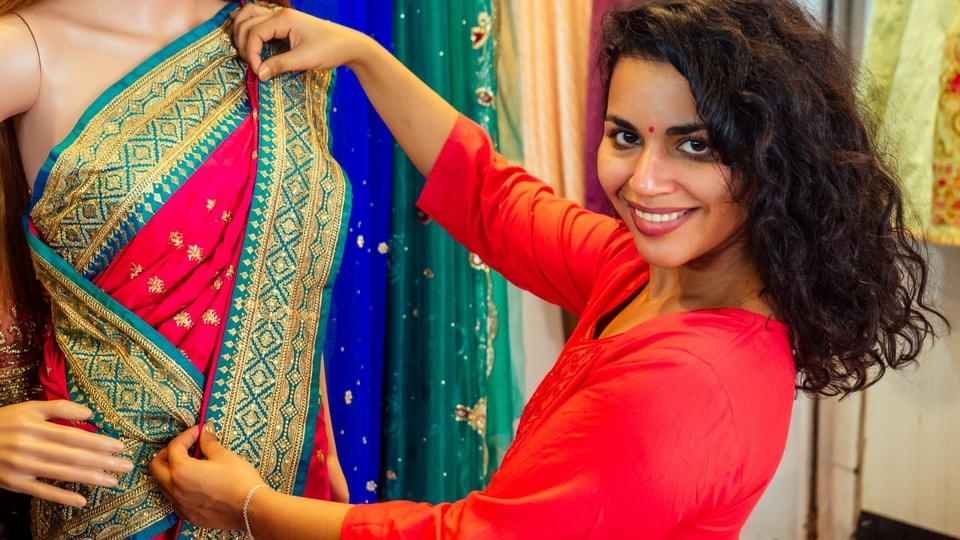
Ethnic wear continues to be a large and fast-growing category. The young buyers are opting for ethnic and fusion wear. They want the glamor of heritage in modern cuts. The Indian ethnic wear market currently stands at USD 22.8 billion. A large number of buyers are Gen Z and millennials. For Mirraw, an Indian ethnic e-commerce brand, it’s no longer a question of preparing for the future; it’s about knowing what Indian fashion consumers really want. It’s about catering to the consumers who are creating demand right now.
Making Fashion More Inclusive
The next generation of fashion consumers is also asking for more representation and choices. For many shoppers, finding an outfit that they love is only the first step. They also want to see themselves represented in sizes, silhouettes, and styling choices. This growing demand has pushed the fashion industry to look beyond traditional sizes and explore plus-size options. The plus-size market is one of the country’s fastest-growing markets. Historically, plus-size sizes in designer brands were scarce. The advent of online shopping has changed that narrative. Depending on the product, Mirraw offers sizes in the range of XXL, 3XL, 4XL, 6XL, and 8XL. More than 40% of Indian women identify as plus-size, and this revolution in sizing has benefited them the most, as well as opened up a new market for brands.
When Personal Style Takes Centre Stage
Gen Z and Millennial buyers are not driven by brand prestige. They prioritize their own personal values instead. They are looking for authenticity and personal meaning over a mere brand logo. Brand loyalty has become extremely fluid rather than fixed in recent years. This also means that a credible new brand can win over new customers that the old brands could not retain. Apart from this, consumers increasingly expect fashion
recommendations that feel relevant to their tastes. Discovery can be made easier with personalized product suggestions, curated collections, style guides, and occasion-based shopping. Technology and data are also changing how consumers discover fashion. These innovations can make the shopping journey quicker and more useful.
Social Media is Shaping What We Wear
The advent of social media platforms like Instagram, TikTok, Pinterest, and YouTube has completely transformed the way young buyers approach fashion. Reels and other short-form videos have made discovery relatively easy and innovative. Social media influencers not only show how outfits like a lehenga, saree, or salwar kameez look in real time but also present countless different ways of styling them. This leads to consumers looking at a particular style and searching for it online. In recent years, there has been a significant shift from old-school advertising such as magazines and billboards to social media platforms. Creating visual, relatable fashion content greatly influences buying decisions.
The Rise Of Sustainable Fashion
Sustainability and conscious fashion have been at the forefront of conversations in recent years. With rising global temperatures, a desire to reduce carbon footprints, and concern about fashion waste, sustainable, circular fashion has become the want of the day. Some consumers actively seek out environmentally responsible products while others prioritize affordability. Sustainable fashion was traditionally viewed as more expensive; however, this narrative is changing. Advances in technology and manufacturing processes have made slow fashion increasingly accessible and value-driven. Mirraw offers products such as handloom cotton, Khadi, Tussar silk, and hand-dyed sarees for shoppers interested in sustainable fashion.
The Takeaway
The next generation of Indian fashion consumers is looking for more than fleeting trends. They want fashion that feels personal, inclusive, and increasingly conscious. For Indian fashion brands such as Mirraw, understanding these changes is the key to creating experiences and products that remain relevant to consumers shaping the future of this industry.
Note to readers: This article is part of HT's paid consumer connect initiative and is independently created by the brand. HT assumes no editorial responsibility for the content, including its accuracy, completeness, or any errors or omissions. Readers are advised to verify all information independently.
Want to get your story featured as above? click here!


