E-Paper


In 1983, Atari buried its games in a New Mexico dump; in 2014, over 1,300 were dug up and one sold for more than $1,500
In 1983, Atari buried surplus games in a New Mexico landfill. A 2014 dig recovered over 1,300 cartridges, and one E.T. copy later sold for more than $1,500.

 Prefer HTon Google


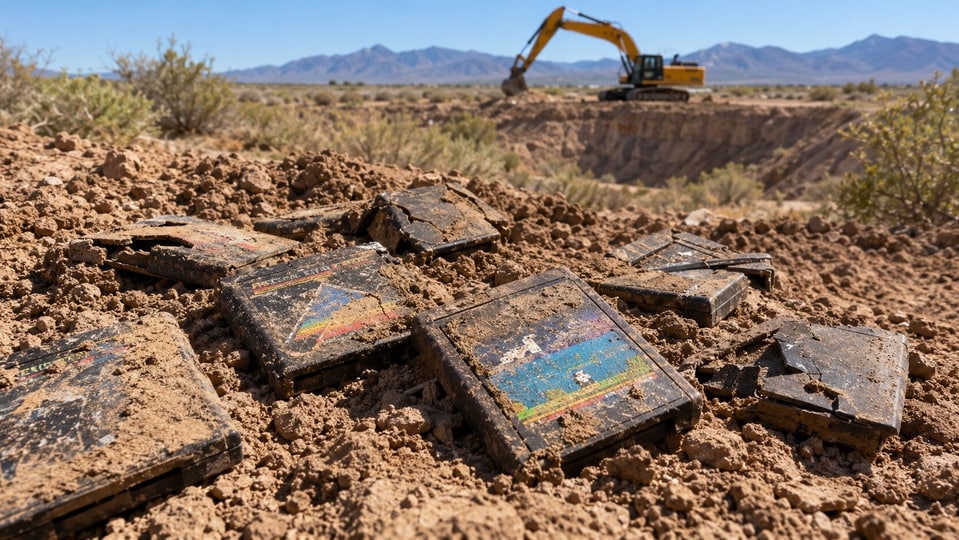
In 1983, a video game giant trucked its surplus games to a desert landfill and left them there. Decades later, that dump turned into an archaeological site. According to Andrew Reinhard's 2015 study in the Journal of Contemporary Archaeology, the 2014 dig in Alamogordo, New Mexico, was the first archaeological excavation of a collection of video games. It also became a blend of archaeology, publicity, and social media attention.
A hit machine hits a wall
In 1982, Atari was on top of the world. The Smithsonian's National Museum of American History describes it as one of the most successful companies in U.S. history. But there were tough rivals, mainly Mattel's Intellivision and Coleco's Colecovision, and a flood of games from independent studios. Then came the E.T. the Extra-Terrestrial game. While games like that usually take six to nine months, developer Howard Scott Warshaw had five and a half weeks to build it.
The film license was expensive as well. Atari had to sell four million copies just to make its money back. It ended up selling a little over one million copies. However, some of them were sent back because players often found it frustrating. The Smithsonian calls the game one of the reasons behind the video game crash that lasted from 1982 to 1985.
The quiet burial
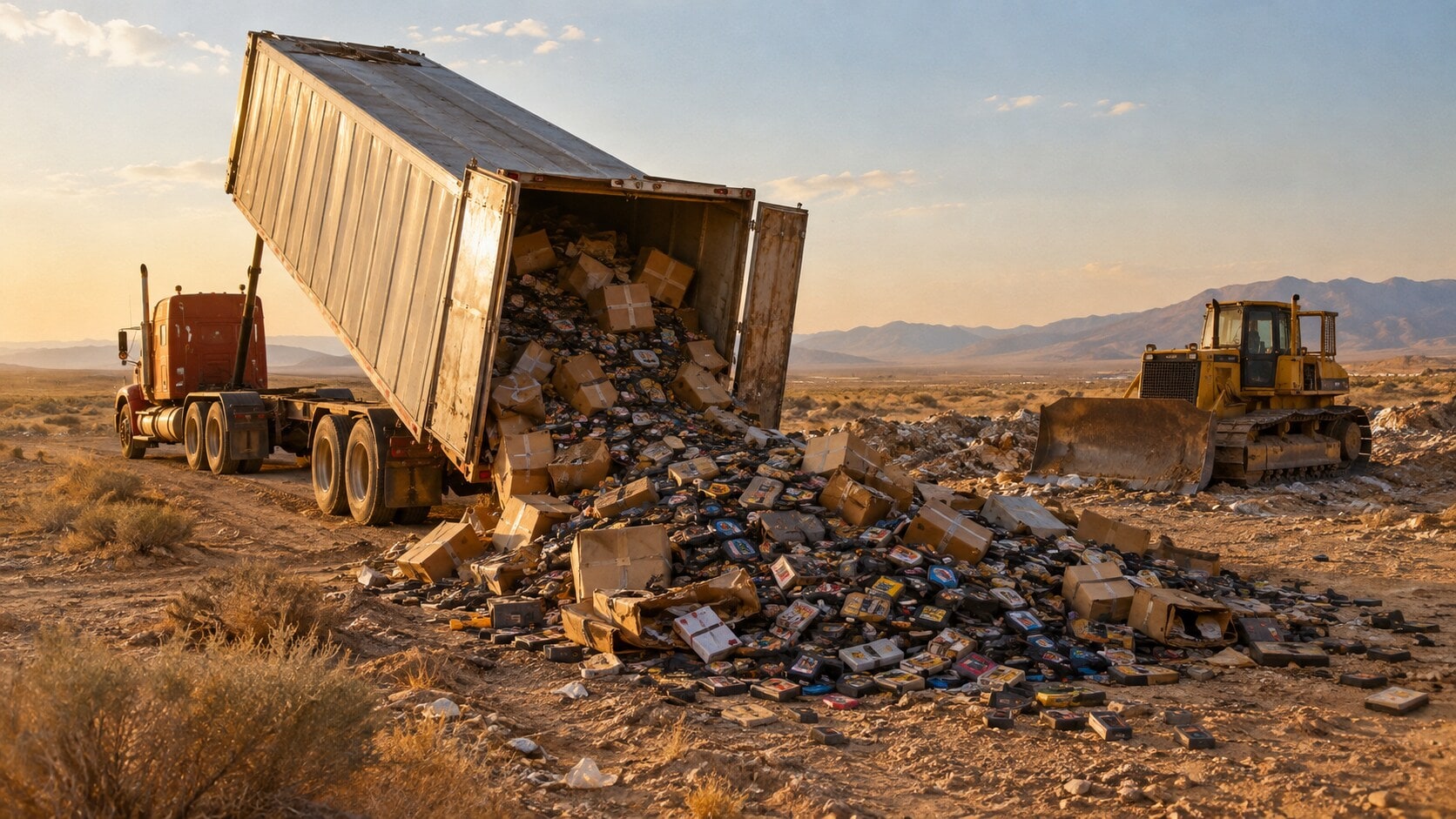
By September 1983, Atari had a surplus of cartridges in its warehouse in El Paso, Texas, that it needed to get rid of. Smithsonian reports that the company decided to dump them in a landfill in Alamogordo so people couldn't scavenge them. Concrete was also said to be poured on the site. The burial was mentioned in the local newspaper, and the landfill employees even remembered it. However, there was little written documentation for that story. This lack of documentation, combined with the site's location in New Mexico, near Roswell, may have helped turn it into an urban legend.
The dig that turned a myth into fact
In 2014, a team of archaeologists excavated the site while documentary makers filmed it for Microsoft's Xbox Live, Reinhard's paper explains. Among the thousands of Atari cartridges that had been buried there, the crew recovered more than 1,300.
Many were later sold at auction. Engadget reported that the sales brought in about $108,000, with roughly $65,000 going to the city of Alamogordo. The most expensive E.T. copy sold for more than $1,500. That's a lot for a game that was once considered a flop.
For Smithsonian museum specialist Drew Robarge, the discovery turned the myth into a reality. Fuel Entertainment, which organized the dig, gave the museum an E.T. cartridge. It has a City of Alamogordo serial number, which confirmed that it came from the landfill.
Why a dusty cartridge still counts
Robarge writes that the cartridge has its share of good stories. It shows how hard it can be to turn a film into a good game. It also marks Atari's decline and the end of an era for cartridge manufacturing. It also puts the urban legend to rest.
This crash ended up bankrupting a lot of businesses, while at the same time causing people to step away from video games for a while. It also brought a change in who was in control of the industry. The Smithsonian states that it opened the door for Japanese companies such as Nintendo and Sega. Sony followed later, with the PlayStation in 1994.
The lesson buried in the dirt
Rushed launches and big bets on hype can often backfire. It wasn’t one specific game that crashed an entire industry, but the story of E.T. shows how quickly one’s confidence can be turned around. And sometimes, the proof of a wild story is sitting right under the dirt.