
 E-Paper



Leopard rescued by officials from Hisar released after 48 hrs
The animal was first sighted on August 26 after it pounced on a six-month-old black buck at the Deer Park in Hisar.


An adult male leopard, which was rescued on Wednesday night from Hisar, was released into its habitat in Kalesar forest, in Yamunanagar, near the Shivalik mountain range, on Friday evening. It was tranquillised by officials of the Haryana wildlife department and kept under observation for two days before being released into the wild, said officials of the department.
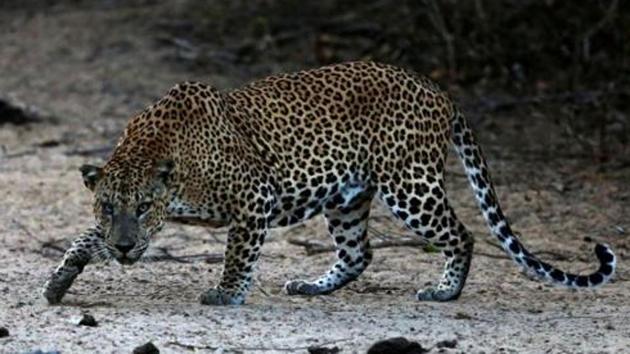
The animal was first sighted on August 26 after it pounced on a six-month-old black buck at the Deer Park in Hisar. This was the first time the animal was sighted in this area. Leopards are generally inhabitants of either the Aravallis or the Shivaliks.
Around 8 pm on Wednesday, the leopard was captured by the wildlife team, after shooting two tranquiliser, while the leopard was on the move.
The animal was then transported to the Hisar wildlife office, where it was kept in a cage and monitored closely. After being kept under observation for the past two days, the big cat was deemed stable with no injuries. It was then that the wildlife team decided to release it back into the forest.
“The exact location and the time of the leopard’s release cannot be disclosed, as it might pose a threat to the animal’s safety. The leopard was released on Friday evening and no one was hurt in the process,” said Vinod Kumar, additional principal chief conservator of forests.
Kumar added that, as per the protocol, any rescued animal is kept under observation for 48 hours to get rid of the after-effects of the tranquiliser. Leopards are territorial animals, so it was advisable to release the animal in the same area from where it was rescued.
Dr Ashok Khasa, a veterinary surgeon of the wildlife department, said that during the observation period, he consumed two kilograms of meat per day.
“Cases of leopards venturing into human habitations have increased due to unavailability of water in their habitats.We have already filled the water pits in the Aravalis and in other places where they are spotted, and will soon figure out some way to keep animals restricted to their habitats,” Kumar said.

Stay updated with all the Breaking News and Latest News from Mumbai. Click here for comprehensive coverage of top Cities including Bengaluru, Delhi, Hyderabad, and more across India along with Stay informed on the latest happenings in World News.


