
 E-Paper



Does your house make you sick? It’s time you kept these pollutants out

 Prefer HTon Google



Indoor air pollution is the second-biggest cause of death after dietary risks, such as over- and undernutrition. While bad outdoor air can affect indoor air quality, there are toxins and allergens other than nitrogen dioxide, carbon monoxide and lead that can make enclosed spaces deadly.
Air pollution raises risk of stroke, reported a study in The Lancet, highlighting once again on how poor air quality damages more than your lungs. Air toxins use lungs as gateways to enter the body to affect the brain, circulation, central nervous system, endocrine system, blood and immunity. Carbon monoxide, for example, hurts the heart and circulation the most.
The good news is that controlling modifiable lifestyle risks -- such as smoking, unhealthy diet, and low physical activity – along with metabolic factors such as high blood pressure, high glucose, high cholesterol, overweight and kidney disease can avert stroke and associated disability in three in four affected worldwide.
Unsafe homes
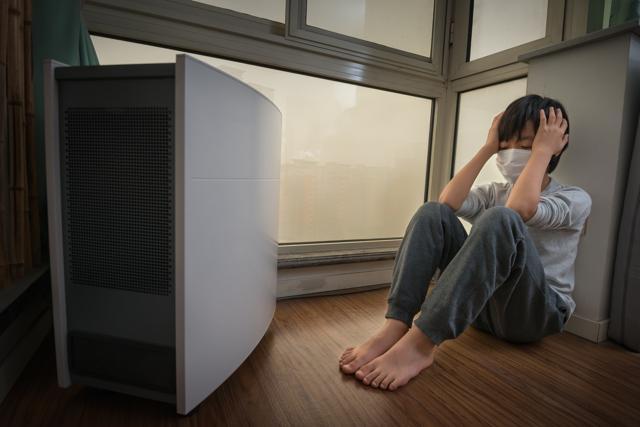
Indoor air pollution, the neglected aspect of air pollution, is far more deadly. Of the annual 7 million deaths-- one in eight of the total global deaths – caused by air pollution around the word in 2012, 4.3 million deaths were from indoor air pollution and 3.7 million by outdoor air, said the WHO. Poor quality outdoor air causes heart disease, stroke, lung cancer and lung diseases and infections, but so does bad indoor air. Cleaning up outdoor air pollution needs strong clean-air policies and public health commitment, but you can do your bit to improve air quality at home.
In India, indoor air pollution is the second-biggest cause of death after dietary risks, reported the Global Burden of Disdeases Study 2010 , such as over- and undernutrition. While bad outdoor air can affect indoor air quality, there are toxins and allergens other than nitrogen dioxide, carbon monoxide and lead that can make enclosed spaces deadly.
Poor air quality often causes no symptoms, and when it does, the signs are too generalized to be directly liked to it. At most, people develop headaches, fatigue, shortness of breath, sinus congestion, cough, sneezing, eye, nose, throat and skin irritation, dizziness or nausea, collectively referred to as the Sick Building Syndrome. Since these symptoms are also linked to other factors such as poor lighting, noise, vibration, overcrowding, and psychosocial stress, the only way to identify the cause is by eliminating potential triggers.
Cooking up disease
Cooking over coal, wood and biomass stoves is the biggest cause of death and disease from indoor pollution, affecting 2.9 billion people worldwide. Smoke from wood-burning stoves and fireplaces contain a mixture of harmful gases and carbon particles that causes asthma attacks, bronchitis, and aggravates heart and lung disease.
If you can smell smoke in your home, you need to get the room better ventilated – use a chimney or open the widow while cooking so that the smoke isn’t trapped indoors -- to lower risk not only for the person cooking but also for babies, infants, or older persons who spend more time indoors. Burning dry wood that has been stored for at least six months is less polluted than freshly-cut wood.
Secondhand smoke and fungi

Secondhand smoke from cigarettes, cigars, bidis, hookahs or pipes, as well as the smoke exhaled by a smoker, is as harmful in smaller amounts because it contains more than 4,000 substances, including several compounds that cause cancer. Young children with small airways and developing lungs breathe more rapidly than adults, which makes the more susceptible to the damage.
Air-conditioning systems often harbour mould and fungi, as do other warm, dark and moist spaces, such kitchen sinks and bathrooms. Getting air conditioners cleaned periodically, especially before seasonal use, lowers the amount of toxic aerosols released
Mites, pests and dander

Droppings from microscopic dust mites that feed on human skin flakes in mattresses, pillows, upholstered furniture, stuffed toys and pillows also cause allergies. Washing linen in hot water and airing mattress and pillows in the sun regularly lowers exposure, as does dusting using a damp cloth.
Cockroach saliva and droppings contain proteins that may trigger allergy, but since insecticides and pesticides are more toxic, the problem is best managed by keeping the counters, sinks and floors clean, and sealing cracks or opening inside cabinets.
Another cause is animal dander from dogs, cats, rodents (including hamsters and guinea pigs) and other warm-blooded mammals, which can only be managed by staying away from homes with pets.
Ten of the world’s top 20 most polluted cities in the world are in India, but clean-air policies have to factor in strategies to lower indoor air pollution to help India to improve the health of the hundreds of millions who live outside its cities that grabbed the world’s attention for exceeding the World Health Organisation (WHO) limits on air safety.


