
 E-Paper



Sleeping too much or too less can make men diabetic
Men whose sleep cycle varies from one extreme to the other — those who sleep either too much or too less — are more vulnerable to getting diabetes, warn researchers.


Men whose sleep cycle varies from one extreme to the other — those who sleep either too much or too less — are more vulnerable to getting diabetes, warn researchers.
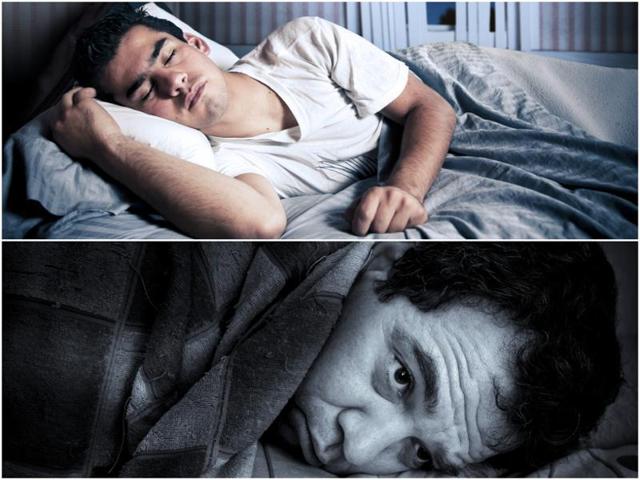
In a group of nearly 800 healthy people, researchers observed sex-specific relationships between sleep duration and glucose metabolism.
“In men, sleeping too much or too little was related to less responsiveness of the cells in the body to insulin, reducing glucose uptake and thus increasing the risk of developing diabetes in the future. In women, no such association was observed,” said study’s senior author, Femke Rutters, from the VU Medical Centre in Amsterdam, The Netherlands.
Read: Irregular, insufficient sleep makes you vulnerable to heart diseases
The study examined the sleep duration and diabetes risk factors in 788 people.
The researchers analysed a subset of participants in the European Relationship between Insulin Sensitivity and Cardiovascular Disease (EGIR-RISC) study, who were healthy adults ranging in age from 30 to 60 years old.
Study participants were recruited from 19 study centres in 14 European countries.
Researchers measured the participants’ sleep and physical activity using a single-axis accelerometer, a device to track movement.

To assess the risk for diabetes, researchers used a device called a hyperinsulinemic-euglycemic clamp to measure how effectively the body used the hormone insulin, which processes sugar in the bloodstream.
The study found that men who slept the least and the most were more likely to have an impaired ability to process sugar compared to those who slept an average amount, about seven hours. The men at either end of the spectrum had higher blood sugar levels than those who got the average amount of sleep.
Women who slept less or more than average, however, were more responsive to the hormone insulin than women who slept the average amount.
Read: Too much sleep as bad as too little: How much sleep do we really need?
They also had enhanced function of beta cells — the cells in the pancreas that produce the hormone insulin. This suggests lost sleep may not put women at increased risk of developing diabetes.
The study is the first to show opposite effects of lost sleep on diabetes risk in men and women.
“Even when you are healthy, sleeping too much or too little can have detrimental effects on your health. This research shows how important sleep is to a key aspect of health — glucose metabolism,” Rutters said.
The study was published in the Journal of Clinical Endocrinology and Metabolism.
Follow @htlifeandstyle for more.
Catch your daily dose of Fashion, Taylor Swift, Health, Festivals, Travel, Relationship, Recipe and all the other Latest Lifestyle News on Hindustan Times Website and APPs.


