E-Paper



High-end cardiac stents are here to stay: advocate Sangwan

 Prefer HTon Google


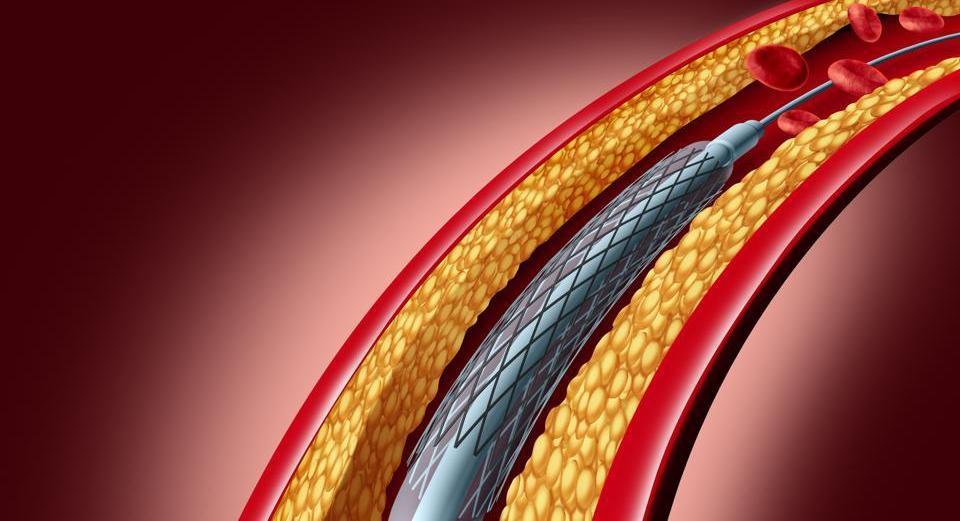
There are fears that high-end cardiac stents could disappear from Indian market because of the massive price cut by the government
New Delhi: Despite the price cap, high-end coronary stents are here to stay; feels advocate Birender Sangwan, whose petition in the Delhi High Court resulted in price regulation of the life-saving device. Coronary stent is a spring-like metal device used to prop open blocked arteries.
There are fears that more expensive, advanced quality drug eluting stents could be on their way out, with manufacturers not finding these profitable for sale in India, after Indian government capped the prices.
Under the National List of Essential Medicines (NLEM) prices of life-saving coronary stents— – were capped in February this year at Rs 30,000, which is a cost drop of about 85% from what is commercially available.
The National Pharmaceutical Pricing Authority (NPPA) — the country’s top body that fixes prices for drugs – fixed the rates of bare metal stents and drug-eluting stents at Rs 7,260 and 29,600 respectively.
The manufacturers have been contemplating withdrawal of advanced next-generation drug-eluting stents as it is not a sustainable proposition, after the massive price cuts.
In a statement issued on Tuesday, Medical Technology Association of India (MTaI), said, “MTaI is for greater patient access. It is not against price control on stents. It is only for categorization so that quality and innovation are rewarded to keep that segment attractive and viable.”
“NLEM concluded that the later generations of stents are not superior to earlier generations. Based on this, the NPPA decided on one price for all Drug Eluting Stents. So, if all the Drug Eluting Stents are the same, the industry should have some freedom in deciding which stents to market, as long as a broad range still stays available.”
“If in hindsight, the authorities feel that some Drug Eluting Stents are better than others, then there is a case for categorization of stents which is, by the way, the main point which we made to the NLEM, and continue to submit,” the statement read.
While cardiologists largely had welcomed government’s decision to cap stent prices, a section had apprehensions about certain types of stents disappearing from market.
“It is good that more people will now be able to afford this life-saving device; however, in the long run I see high-quality stents disappearing from our market because of the cap. It would have been a better idea to divide stents into different categories, including specialised stents, and then fix the price. These devices can’t be divided into just two broad categories,” said senior cardiologist Dr Purshottam Lal.
However, advocate Sangwan sees the situation as a means of building unnecessary pressure on the authorities concerned.
“India is a huge market for them and I don’t see anyone withdrawing any products from this market. These are pressure tactics to have the price bracket changed, which is unlikely to happen. These prices are here to stay,” says Sangwan.