
 E-Paper



Instead of adding new psychotropic painkillers, ensure available drugs reach those who need it


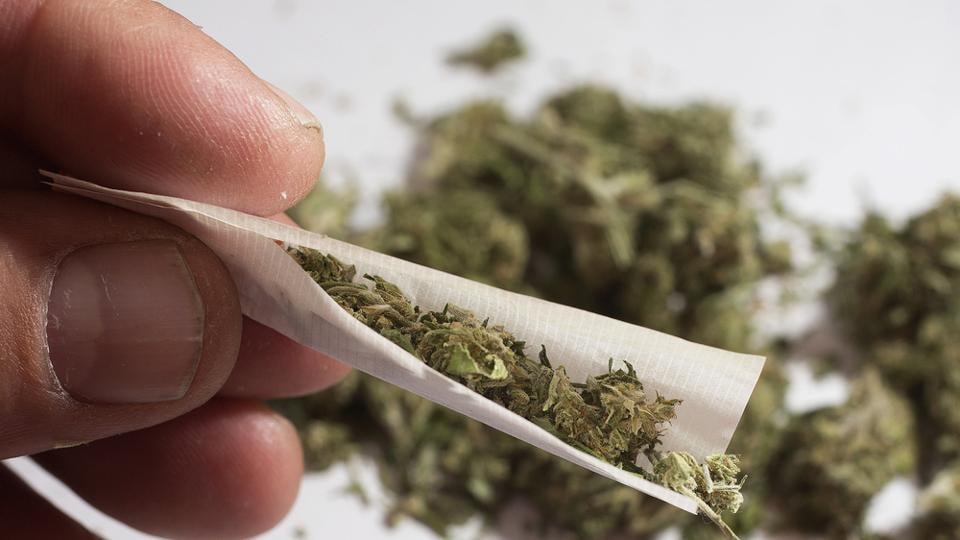
Women and Child Development Minister Maneka Gandhi suggested legalising marijuana, a psychoactive drug, for medical purposes, but oncologists say it’s a pointless
Women and Child Development Minister Maneka Gandhi suggested legalising marijuana, a psychoactive drug, for medical purposes, but oncologists say it’s a pointless exercise because prescription narcotic drugs are not reaching the majority of those who need it.
Under India’s Narcotic Drugs and Psychotropic Substances Act (NDPS) rules, six controlled drugs— morphine, fentanyl, methadone, oxycodone, codeine and hydrocodone -- can be prescribed for medicinal purposes.
Pain management and palliative care experts say instead of introducing another new drug, focus should be on providing pain relief to all cancer patients.
“There is no harm in legalizing marijuana but the bigger challenge is to ensure approved medicines such as morphine reach all patients in pain, especially in villages,” says Dr Sushma Bhatnagar, professor and head of department, onco-anaesthesia, pain and palliative care, All India Institute of Medical Sciences (AIIMS). “At the moment, about 99% of cancer patients needing pain-relief remain in pain.”
Even doctors don’t know these drugs are legal. “Our goal should be to reach the unreached areas to provide pain relief to them, and not focusing attention on getting one more drug into the fold,” says Dr Bhatnagar.
She rubbishes the addiction apprehension. “If the drug is given to carefully selected patients under proper supervision, and the patients are properly followed up, then there is no risk of people getting addicted. There is no fixed dose as such, whatever brings relief to the patient is the correct dose.”
Distribution of these drugs is strictly regulated, with the state drug controller keeping a strict vigil.
There has to be proper documentation of the consumption that needs to be submitted to the state drug controller at regular intervals.
Catch your daily dose of Fashion, Taylor Swift, Health, Festivals, Travel, Relationship, Recipe and all the other Latest Lifestyle News on Hindustan Times Website and APPs.


