
 E-Paper



Fuel costs, fewer flights, West Asia crisis: What is driving airfares higher
Airlines are facing rising fuel bills, higher operating costs, and disruptions making some routes more expensive

 Prefer HTon Google


Last week, the government informed the Supreme Court that rules to regulate airfares have been finalised and secured administrative approval and would be published within two weeks. This came months after the court in May called for rationalisation of airfares and asked the government to provide some relief, as it heard activist S Laxminarayanan’s plea seeking a robust and independent regulator that ensures transparency and passenger protection across the civil aviation sector and regulatory guidelines to control “unpredictable fluctuations” in airfares and ancillary charges private airlines impose.
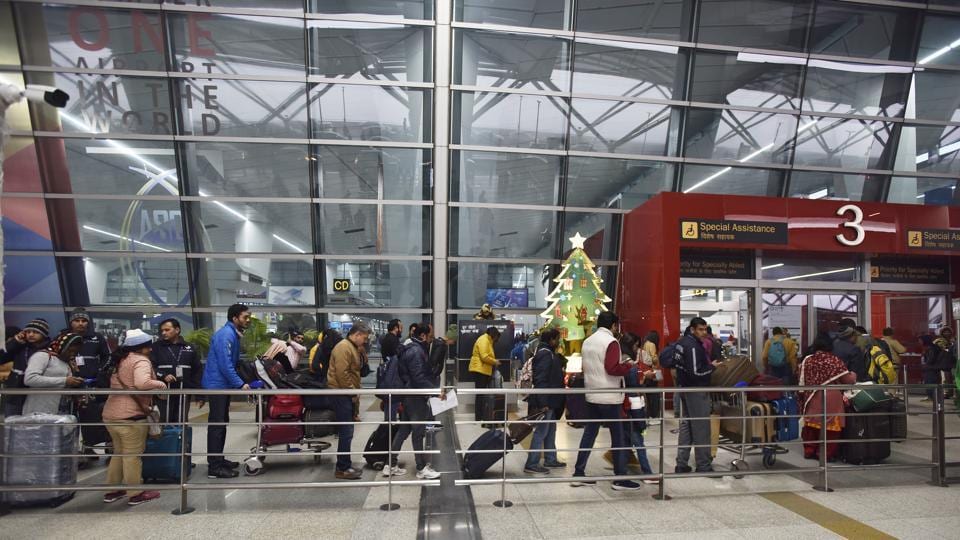
The plea came against the backdrop of complaints about exorbitant air tickets, particularly around the festive periods and crisis situations.
Airfares have four components. The airline component comprises basic fare, airline fuel surcharge, common user terminal equipment fee subject to application and convenience fee charged when the ticket is booked online or through credit or debit card. The Airports Authority of India component involves passenger service fee, airport operator airport development/user development fee, and government service tax.
The airlines may also offer optional services such as seat preference, lounge charges, meals/snacks, etc.
Airline cost structure
The structure has three elements: direct operating, indirect operating, and overhead costs. Aviation Turbine Fuel (ATF) is the single largest and highly volatile variable component of the direct operating cost of an airline. The fuel, which in a normal situation accounts for 35%-40% of an airline’s direct operating cost, reached 50-55% in the aftermath of US-Israeli strikes on Iran in February, which triggered a wider regional conflict.
Indian airlines are facing a combination of rising fuel bills, higher operating costs, and disruptions making some routes more expensive. When fewer seats are available for passengers looking to travel during the festive season, ticket prices can climb sharply.
The impact is showing in fares. Tickets on some major domestic routes were up by as much as 68% year-on-year, according to a report published in October. Airlines scheduled fewer domestic flights for the October-December quarter. The trend reflects a combination of higher costs and tighter availability, although the extent of the increase varies from route to route.
So, if your next flight ticket is costing more than you expected and you are facing a fresh squeeze on your travel budgets, there could just not be one but multiple reasons: Jet fuel prices climbing up, flight paths getting longer and fewer flights scheduled on some routes, coupled with a near duopoly in the Indian market.
Why does not the government cap fares?
India moved away from the system of regulated airfares in March 1994, when the Air Corporations Act, 1953, was repealed. Under Rule 135 of the Aircraft Rules, 1937, airlines are allowed to set reasonable tariffs after considering operating costs, the nature of the service, reasonable profits, and prevailing fares.
The government generally allows market forces to determine prices, but it can intervene in exceptional circumstances. The aviation regulator, the Directorate General of Civil Aviation, monitors fares on selected routes and has powers to act against excessive or predatory tariffs. The government has used temporary measures to manage extraordinary fare spikes and maintain connectivity.
Why the West Asia crisis is making flying more expensive
International jet fuel prices have sharply risen due to the crisis. According to the government, international ATF prices rose from ₹60.50 per litre in March 2026 to ₹142 per litre in May; nearly 2.5 times. Airlines are spending more on ATF, putting additional pressure on their operating costs.
Airlines have begun passing on at least part of this pressure to passengers through fuel surcharges. In October, IndiGo, Air India and Akasa Air announced increases in fuel charges on domestic and international routes. Depending on the airline and distance flown, the additional charge can add several hundred rupees to a domestic ticket and considerably more to some international journeys.
Pakistan’s airspace also remains closed to Indian airlines. Flights from northern India to Europe and North America have to take longer routes, increasing flying time and fuel consumption. Longer journeys can mean higher crew costs and less time for aircraft to operate other flights. The government has said it is exploring alternative routing options through Chinese airspace, but no agreement has been confirmed.
Aircraft lease rentals and maintenance costs add to the pressure. Airlines lease aircraft and payments linked to the US dollar become more expensive when the rupee weakens. These costs do not rise or fall in the same way as fuel prices, but they add to the overall expense of running an airline. This leaves airlines caught between rising operating costs and the need to keep ticket prices affordable.
Why fewer seats can mean costlier tickets
Demand and supply are another factor. When there are not enough seats available, fares tend to rise. This is especially noticeable around festivals, school holidays and long weekends, when demand can surge on popular routes.
Airlines use a system called dynamic pricing, under which seats are sold at different fare levels. A limited number of tickets may be available at the lowest price; once those seats are sold, the next available tickets cost more. Passengers booking at the last minute are often left with fewer, more expensive options.
The problem worsens when airlines cut flights or lack enough aircraft. Airlines scheduled five percent fewer domestic flights for the October-December quarter than a year earlier. This means passengers may have fewer flights to choose from. When demand remains high, but seats are limited, fares tend to rise. This is why ticket prices can go up even when the cost of operating a domestic flight has not changed significantly.
A passenger travelling on a busy Delhi-Mumbai route during a holiday period is competing for a limited pool of seats. If the cheaper fare categories sell out, the remaining tickets become more expensive.
The current fuel crisis has prompted a separate intervention. In June, the Union Cabinet approved a one-time support mechanism of up to ₹10,000 crore to help stabilize ATF prices for scheduled Indian airlines amid exceptional volatility linked to the West Asia crisis. The aim was to cushion airlines from sudden fuel-price shocks and help maintain connectivity.
For passengers, the question remains whether lower costs or additional capacity will translate into cheaper tickets. Fuel surcharges can ease if fuel prices moderate, but fares will also depend on demand, available seats, and competition between airlines.


