
 E-Paper



Next chapter of Atmanirbhar Bharat could be circular
This article is authored by Anupam Kumar, co-founder & CEO, MiniMines.

 Prefer HTon Google


India was once known as sone ki chidiya, the golden bird, a place that attracted traders and travellers from all over the world. That reputation was built on what India made and what it created with its own hands. Independence gave the country a chance to build that identity again, this time on its own terms.
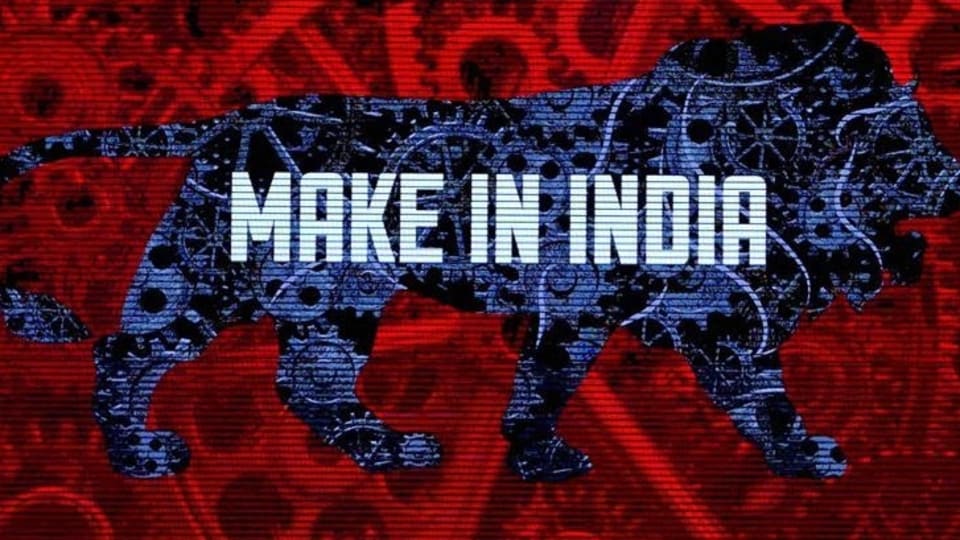
Atmanirbhar Bharat carries that same spirit forward. What started as an effort to build a domestic industrial base has grown into a bigger ambition, one about the technologies, companies and supply chains that will shape where India's economy goes next. And electric mobility could turn out to be one of its most important chapters.
Now picture India 10 years from now, where there are tens of millions of EVs on the roads, all powered by batteries that are manufactured here in India. That is the future everyone is working towards. However, batteries are not designed to last forever in the first application. Their range and performance decreases over time, depending on chemistry, usage and charging conditions. The car keeps going, but the battery doesn't just vanish. It remains there, and it contains critical minerals such as lithium, cobalt and nickel, which required real energy, real mining, and real money to gather in the first place.
The question India has not fully answered yet is what happens next. Does that battery get used again in some other form, does it get taken apart and its materials recovered, or does it just pile up as waste. The answer to that question decides whether India built an EV industry that only runs forward, or one that knows how to bring value back home once a battery's first life is over. Recycling holds that answer, not as an afterthought, but as a genuine part of the value chain, built in from day one.
Manufacturing is usually pictured as a straight line, raw material extracted, turned into components, assembled, eventually discarded. A battery deserves a different life. One that can no longer power a car may still have enough life for a second use, in energy storage for a home or a factory floor. If it can't be used again, it can be safely disassembled and its critical minerals can be extracted and refined, creating a secondary source of feedstock that can go into the production of newer batteries as well as other industries.
Policy is already moving to support this. The Battery Waste Management Rules, 2022 introduced the Extended Producer Responsibility under which the responsibility of collection, recycling and refurbishment of waste batteries has been shifted to the producers. The framework is already in place, and minimum recycled content requirements for EV and portable batteries will take effect from FY2027-28 at 5% and will gradually ramp up over the years. The National Critical Mineral Mission also acknowledges the need to advance domestic capabilities throughout the critical mineral value chain, such as recovery and recycling, and strengthens the case for advancing these capabilities early.
The real work now lies in the details. A recycler needs a steady supply of batteries. A manufacturer needs to trust the quality of recovered material. Collection networks need to run safely and affordably across a country as large as India. None of this happens if EV makers, recyclers, manufacturers and collection networks keep working in isolation, and only when they treat the battery as a product with a full lifecycle, not something built, sold and forgotten.
This is where the next phase of Atmanirbhar Bharat gets genuinely exciting. India's goal does not have to stop at manufacturing more EVs and batteries at home. It can extend to building a value chain that keeps more of the money and material inside the country, for longer, resulting in a stronger, more self-sufficient industry with far less waste along the way.
Battery manufacturing will always be connected to global supply chains, and India will keep importing raw materials. But a strong domestic recycling industry gives the country a second, growing source of material as its stock of used batteries builds up, and lets India hold on to value it has already worked hard to bring in.
Building this capacity now, ahead of demand, is what makes the difference. The infrastructure needed to handle batteries safely takes years to put in place, and starting early gives India a genuine advantage. The potential exists to create a new industry around the recovery of critical materials from end-of-life batteries and permanent magnets to complex electronic waste. This ecosystem can cover collection, diagnostics, dismantling, material recovery, refining and generating skilled jobs in one of the fastest-growing sectors of Indian economy.
India's EV story so far has been about how quickly the country can put more EVs on the road. The next chapter can be about how intelligently it builds the ecosystem around them, one where the value India creates stays and grows within its own economy, the way it always deserved to.
(The views expressed are personal)
This article is authored by Anupam Kumar, co-founder & CEO, MiniMines.


