
 E-Paper



A mental health change’s being led by LGBTQIA+ communities
This article is authored by Radhika Piramal, executive vice chairperson, VIP Industries Ltd and Pratyaksha Jha, researcher, Dasra.

 Prefer HTon Google


India’s mental health crisis is quietly escalating. With a suicide rate of 12.6 per 100,000 people, ranked among the worst 50 in the world, the urgency is clear. Yet, our understanding remains limited. The last national mental health survey was conducted in 2015-16, revealing a ratio of just 0.75 psychiatrists per 1 lakh people—substantially lower than WHO’s recommendation of 3. While mental health services have expanded in the years since, access remains deeply unequal. Stigma continues to cast a long shadow: Unlike physical health, seeking mental health care is still met with silence, shame, and social discomfort.
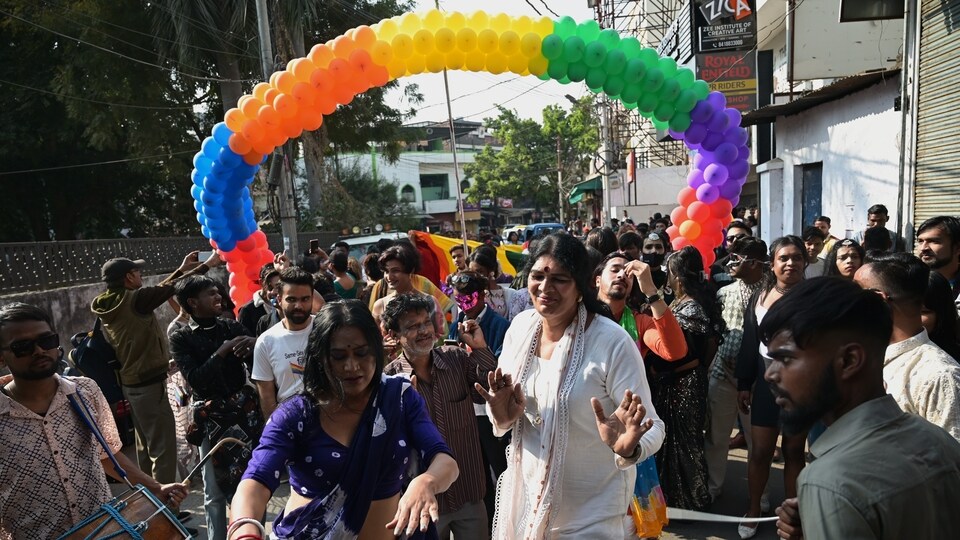
For LGBTQIA+ communities, the gaps are starker. Stigma, discrimination, and social exclusion compound mental health distress—particularly for queer and trans youth. Though they face some of the harshest realities, they remain largely absent from mainstream solutions. This exclusion is rooted in a long history of pathologisation. Until 1973, the American Psychological Association classified homosexuality as a mental illness. In India, the Indian Psychiatric Society only formally rejected this framing in 2018. The legacy of this stigma endures. There remains a scarcity of queer-affirmative mental health professionals, often leaving LGBTQIA+ individuals vulnerable to retraumatisation or bias when they seek care.
The mental health burden among LGBTQIA+ communities in India is disproportionately high and deeply shaped by structural barriers. Studies consistently show elevated rates of depression, anxiety, substance use, and suicide – pointing to a public health crisis rooted in exclusion and neglect. Discrimination from families, service providers, and institutions compounds this distress.
For queer and trans youth, rejection and violence often begin at home. A 2018 study by the National Human Rights Commission found that only 2% of trans people in India live with their parents. Even within mental health systems, spaces meant to offer care, bias persists, with practices like conversion therapy still reported. In the absence of safe and affirming support, many LGBTQIA+ individuals are left to navigate distress alone, often in environments that invisibilise their identities and experiences.
With formal mental health services often limited in their reach and inclusivity, community-led responses are stepping up to provide vital support. Across the globe, LGBTQIA+ movements have long drawn strength from networks of mutual care, and India is no exception. A growing ecosystem of queer-led grassroots non-profits is offering low-cost, accessible, and queer-affirming mental health solutions. From peer helplines and safe spaces to training programmes for care providers, these initiatives center lived experience and cultural relevance. Their work addresses critical gaps in the system and offers a model for how community expertise can work alongside formal structures to build more inclusive and responsive ecosystems of care.
On the ground, care is local, immediate and expansive. Non-profits like Ya All in the Northeast and Vikalp in rural Gujarat are building vital community ecosystems in underserved geographies, providing queer and trans youth essential support where few alternatives exist. Organizations like Sappho for Equality in Kolkata and Humsafar Trust in Mumbai began as small community groups, and have since grown into hubs for mental healthcare, community support, and research and capacity-building. In contexts where state and private care remain inadequate or inaccessible, these initiatives demonstrate how community-rooted approaches can grow and scale even in resource-constrained settings.
This growing ecosystem of community-led care underscores a critical need for greater support, one that Indian philanthropy is beginning to respond to. Philanthropic foundations such as the Mariwala Health Initiative (MHI), Azim Premji Foundation, and Rohini Nilekani Philanthropies have recognised mental health as a critical area of investment. MHI, a first-mover in queer affirming mental health, has trained over 500 mental health professionals through its Queer Affirmative Counselling Practices (QACP) programme and supported grassroots organizations through sustained and flexible grantmaking. Newer initiatives like the Pride Fund India are helping expand the ecosystem, spotlighting urgent links between mental health and LGBTQIA+ equity.
Sustaining this momentum will require a shift in mindset. Queer mental health work is long-term, iterative, and not easily captured in short-term metrics, yet it is foundational to building an inclusive and empathetic India. Domestic funders are uniquely positioned to invest in community-rooted, context-specific models of care. At the intersection of mental health and LGBTQIA+ inclusion, philanthropy has an important role to play in challenging marginalisation and supporting long-overdue systems change. Doing so will require flexible funding, trust in local leadership, and meaningful partnerships with communities as co-creators of solutions.
Today, more than half the non-profits advancing LGBTQIA+ equity in India are led by the communities they serve. Forged in resistance and sustained by care, these organisations carry histories, respond to urgent needs, and create new futures. A decade of policy gains and growing public visibility has opened new windows of opportunity, but without sustained investment, they risk closing. Philanthropic investment in queer-affirming mental health offers a pathway toward a more dignified future—one where queer and trans communities are not only supported, but empowered to shape the very systems that once excluded them. With sustained support, community-rooted responses can move from survival to stability—deepening, growing, and enduring as drivers of lasting change.
This article is authored by Radhika Piramal, executive vice chairperson, VIP Industries Ltd and Pratyaksha Jha, researcher, Dasra.


